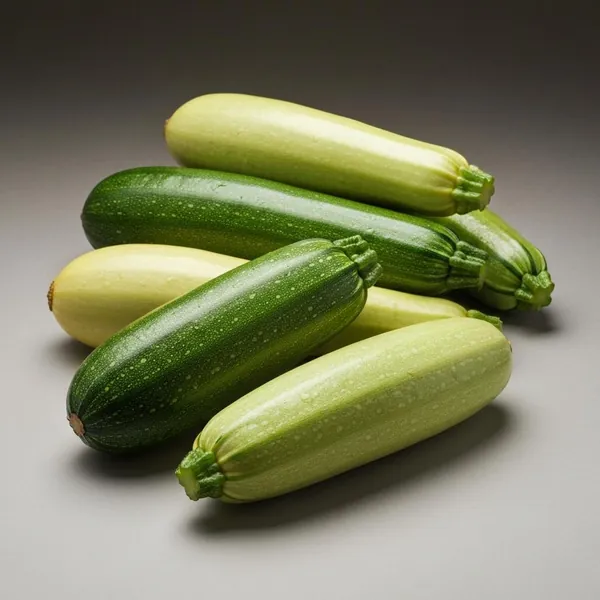
Is Zucchini Low FODMAP? Safe Servings, Recipes & Tips
Is zucchini low FODMAP? Learn the safe serving size for zucchini on a low FODMAP diet, compare squash varieties, and discover delicious zucchini recipes for IBS.
Zucchini Low FODMAP? Safe Servings, Recipes & Tips is MODERATE FODMAP
Reference portion: ⅓ cup or ⅓ medium zucchini (65g)
Serving Information
| ✓ Low FODMAP reference portion | ⅓ cup or ⅓ medium zucchini (65g) |
|---|---|
| ✗ High FODMAP at | 1 medium or 1 cup (75g) |
| FODMAP Types |
|
Is Zucchini Low FODMAP?
Is zucchini low FODMAP? The answer is yes, but with an important caveat about portion size. Zucchini (also known as courgette) is low FODMAP at a serving of ⅓ medium zucchini or about ⅔ cup (65g), making it safe for most people following a low FODMAP diet. However, at the standard 1 serving (¾ medium or 75g), it becomes moderate FODMAP due to increased levels of GOS and fructans. Larger servings push it into high FODMAP territory.
This means you can enjoy zucchini on a low FODMAP diet, but portion control is essential. The difference between low and moderate is surprisingly small (just 10 grams), so measuring is critical, especially when you’re in the elimination phase. Whether you call it zucchini, courgette, or baby marrow, the FODMAP profile is the same. Like many vegetables including broccoli and sweet potato, zucchini requires careful portioning to keep your FODMAP intake in check.
Safe Serving Sizes
Zucchini/Courgette
| Serving | FODMAP Level | Weight | Notes |
|---|---|---|---|
| ⅓ medium | Low | 65g | Safe for elimination phase |
| ¾ medium | Moderate | 75g | May trigger symptoms in sensitive individuals |
| 1 medium+ | High | 130g+ | Likely to trigger symptoms |
According to Monash University, zucchini (also called courgette or baby marrow) has a relatively narrow range between low and moderate FODMAP levels. The tested “1 serve” of ¾ medium zucchini (75g) registers as moderate FODMAP, containing moderate amounts of both GOS and fructans.
To stay safely in the low FODMAP range, stick to ⅓ medium zucchini or measure out ⅔ cup when diced or sliced.
Note: These measurements apply to both raw and cooked zucchini, though cooking reduces volume significantly. Always measure your portion before cooking to ensure accuracy.
Why Does Zucchini Contain FODMAPs?
Zucchini contains two types of oligosaccharides that can trigger digestive symptoms:
- GOS (galacto-oligosaccharides) - A type of oligosaccharide that’s poorly absorbed in the small intestine. GOS is also found in legumes like chickpeas and lentils, though in much higher concentrations.
- Fructans - Another oligosaccharide found in many vegetables, including onion, garlic, and broccoli.
At the standard serving (¾ medium or 75g), both GOS and fructans reach moderate levels (indicated by a “2” rating in the Monash app). This means sensitive individuals may experience symptoms if they exceed the low FODMAP threshold.
When these oligosaccharides aren’t fully absorbed in the small intestine, they travel to the large intestine where gut bacteria ferment them. This fermentation process produces gas and can draw water into the bowel, causing symptoms like:
- Bloating and gas
- Abdominal pain or cramping
- Diarrhea
- General digestive discomfort
At smaller servings (⅓ medium or 65g), the GOS and fructan content is low enough that most people tolerate zucchini well. It’s the slightly larger servings where problems can arise.
How Zucchini Compares to Other Squash Varieties
If you’re wondering whether zucchini is your best squash option on a low FODMAP diet, here’s how it stacks up against other members of the squash family:
| Squash Variety | FODMAP Rating | Low FODMAP Serving | FODMAPs Present | Best Uses |
|---|---|---|---|---|
| Zucchini (green) | Low at 65g | ⅓ medium (65g) | GOS, fructans | Noodles, grilling, stir-fry |
| Yellow summer squash | Low at 65g | ⅓ medium (65g) | GOS, fructans | Same as zucchini, interchangeable |
| Butternut squash | Low at 45g | ¼ cup diced (45g) | GOS | Soups, roasting, mashing |
| Choko (chayote) | Low at 90g | ½ cup (90g) | Minimal | Stir-fry, salads, soups |
| Pumpkin (canned) | Low at 45g | ¼ cup (45g) | GOS | Baking, soups, smoothies |
| Spaghetti squash | Low at 135g | 1 cup (135g) | Minimal | Pasta substitute |
Zucchini offers a moderate low FODMAP serving size compared to other squash. If you need a more generous portion, spaghetti squash is a standout option with a generous 1-cup low FODMAP serving. However, zucchini is more versatile in the kitchen and easier to find year-round, which is why it remains a staple for many people on a low FODMAP diet.
Zucchini Noodles (Zoodles) as a Pasta Alternative
One of the most popular uses for zucchini on a low FODMAP diet is making zucchini noodles, commonly known as “zoodles.” For anyone who misses pasta or wants a lighter alternative, zoodles are an excellent choice.
Why Zoodles Work for Low FODMAP
Traditional wheat pasta can be tricky on the low FODMAP diet because it contains fructans from wheat. While small portions of regular pasta (about ½ cup cooked) are considered low FODMAP, many people prefer a larger, more satisfying plate of food. Zucchini noodles let you enjoy a noodle-like experience while keeping FODMAPs low.
How to Make Perfect Zoodles
- Choose fresh, firm zucchini - Soft or overripe zucchini will produce mushy noodles
- Measure before spiralizing - Weigh out your 65g portion of whole zucchini, then spiralize
- Don’t overcook - Sauté for just 2-3 minutes in olive oil or garlic-infused oil. Zucchini noodles go from tender to soggy very quickly.
- Salt and drain - For less watery noodles, toss spiralized zucchini with a pinch of salt and let drain in a colander for 10 minutes before cooking
- Pat dry - Blot excess moisture with paper towels before cooking for the best texture
Zoodle Serving Tips
- A ⅓ medium zucchini (65g) produces roughly ⅔ cup of spiralized noodles
- Combine your zoodle portion with actual gluten-free or low FODMAP pasta for a more filling meal
- Pair with garlic-infused olive oil (the oil is FODMAP-free since FODMAPs aren’t fat-soluble), tomatoes, fresh basil, and parmesan for a classic combination
- Top with grilled chicken or shrimp for added protein
Cooking Methods Compared
How you prepare zucchini affects its texture, flavor, and how satisfying your measured portion feels. Here’s a comparison of common cooking methods:
| Method | Time | Best For | Flavor Profile | Tips |
|---|---|---|---|---|
| Raw | None | Salads, ribbons | Mild, crisp, fresh | Best with young, small zucchini |
| Sautéed | 3-5 min | Stir-fry, side dish | Tender-crisp, lightly caramelized | Use high heat for best browning |
| Grilled | 6-8 min | Steaks, planks | Smoky, charred | Cut into thick slices to prevent falling through grates |
| Roasted | 20-25 min | Side dish, bowls | Sweet, caramelized, concentrated | High heat (425°F) prevents sogginess |
| Steamed | 5-7 min | Gentle cooking | Mild, soft | Least flavorful method; add seasoning |
| Air-fried | 10-12 min | Chips, fries | Crispy, concentrated | Produces a crispy texture with less oil |
| Spiralized (raw) | None | Noodle substitute | Fresh, crunchy | Best eaten same day |
| Spiralized (cooked) | 2-3 min | Warm noodle dishes | Soft, noodle-like | Don’t overcook; goes mushy fast |
Pro tip: Since your portion is limited, choose cooking methods that maximize flavor and satisfaction. Roasting and grilling concentrate flavors through caramelization, making a small portion taste more satisfying than steamed zucchini.
Tips for Eating Zucchini on Low FODMAP
-
Measure carefully - The difference between low (65g) and moderate (75g) is just 10 grams, so measuring is important. Use a kitchen scale or measuring cups for accuracy.
-
Cooking reduces volume dramatically - Raw zucchini shrinks significantly when cooked. If you measure ⅔ cup raw, it may cook down to ⅓ cup, which is still within the low FODMAP range.
-
Zucchini noodles (zoodles) are tricky - Spiralized zucchini looks like a lot but can easily exceed the safe serving. Measure before cooking: ⅔ cup raw zucchini equals about 1 small zucchini spiralized.
-
Combine with other low FODMAP vegetables - Pair zucchini with carrots, bell peppers, or bok choy to create variety without overloading on any single vegetable.
-
Watch restaurant portions - Grilled or roasted zucchini in restaurants often comes in generous portions. Ask for a smaller amount or eat half and save the rest.
-
Space out consumption - Don’t eat zucchini at multiple meals in one day to avoid FODMAP stacking, especially if you’re also eating other moderate FODMAP foods.
-
Choose small to medium zucchini - Large zucchini tend to be seedy and watery. Smaller, younger zucchini have better flavor and texture.
-
Grilling and roasting concentrate flavor - Since you’re limited in portion size, maximize flavor by roasting or grilling zucchini with herbs, olive oil, and a squeeze of lemon.
-
Use garlic-infused oil instead of garlic - Fresh garlic is high FODMAP, but garlic-infused olive oil gives you that garlic flavor without the FODMAPs. The fructans in garlic are water-soluble, not fat-soluble, so they don’t transfer to the oil.
-
Pair with protein - Add chicken, eggs, salmon, or tofu to your zucchini dishes to make meals more filling and balanced.
Low FODMAP Alternatives
If you find you’re sensitive to zucchini or want more generous portions, consider these alternatives:
| Vegetable | Low FODMAP Serving | Compared to Zucchini |
|---|---|---|
| Cucumber | ½ cup diced (75g) | Similar mild flavor, higher water content, best raw |
| Green beans | 15 beans (75g) | Similar shape when cooked, slightly more generous serving |
| Bok choy | 1 cup (75g) | Excellent in stir-fries, more generous serving |
| Bell peppers | 1 cup (75g) | Adds color and sweetness, more generous serving |
| Eggplant | ⅓ cup (40g) | Similar grilled texture, smaller serving |
| Carrots | Unlimited | Can be spiralized like zucchini, unlimited portion |
| Spinach | Up to 1.5 cups (75g) | Great for adding volume to meals |
| Tomatoes | 1 small (75g) | Pairs well in most zucchini dishes |
Carrots deserve a special mention because they can be spiralized into noodles just like zucchini but have no FODMAP serving limit. If you love zoodles but find the portion size too restrictive, try combining a small portion of zucchini noodles with carrot noodles for a more generous serving.
Recipes Using Zucchini
Looking for ways to enjoy zucchini safely on your low FODMAP diet? Here are some ideas that keep portions within the safe range while maximizing flavor:
Zucchini Noodles (Zoodles) with Garlic-Infused Oil
Spiralize 1 small zucchini per person (about ⅔ cup) and sauté in garlic-infused olive oil for 2-3 minutes. Top with low FODMAP pasta sauce, cherry tomatoes (5 max), fresh basil, and shaved parmesan cheese. For a heartier meal, toss in grilled chicken or shrimp.
Grilled Zucchini Steaks
Slice ⅓ medium zucchini lengthwise into ¼-inch planks. Brush with olive oil, season with salt, pepper, and Italian herbs. Grill for 3-4 minutes per side until charred and tender. Serve alongside salmon or steak with a side of rice.
Roasted Zucchini with Herbs
Cut measured zucchini into rounds or half-moons, toss with olive oil, salt, pepper, and fresh thyme. Roast at 425°F for 20-25 minutes until golden and slightly crispy at the edges. This pairs well with quinoa bowls.
Zucchini Fritters
Grate ⅓ medium zucchini, squeeze out excess moisture, and mix with egg, gluten-free flour or almond flour, lactose-free cheese, and fresh herbs. Pan-fry in oil until golden and crispy. Serve with a dollop of lactose-free yogurt.
Stuffed Zucchini Boats
Halve zucchini lengthwise and scoop out some of the flesh to create boats. Fill with a mixture of ground meat, tomato sauce (½ cup canned tomatoes), herbs, and top with lactose-free cheese. Bake at 375°F for 25-30 minutes until tender and bubbly.
Zucchini and Carrot Ribbon Salad
Use a vegetable peeler to create ribbons from zucchini and carrots. Toss with olive oil, lemon juice, fresh mint, and pine nuts. Light, refreshing, and perfect for warm weather.
Low FODMAP Stir-Fry
Add measured zucchini slices to a low FODMAP stir-fry with chicken or tofu, carrots, bell peppers, bok choy, and a soy-ginger sauce (made with soy sauce, ginger, and a touch of maple syrup). Serve over rice.
Creamy Zucchini Soup
Sauté measured zucchini in butter with fresh basil, add low FODMAP vegetable broth, simmer until tender, and blend until smooth. Finish with a drizzle of olive oil and cracked black pepper. Pair with sourdough bread for dipping.
Zucchini Pizza Bites
Slice zucchini into ¼-inch rounds, top each with a teaspoon of low FODMAP tomato sauce, a sprinkle of lactose-free mozzarella, and fresh basil. Bake at 400°F for 10-12 minutes. A fun snack or appetizer.
Zucchini and Feta Quiche
Make a low FODMAP quiche with eggs, lactose-free milk, measured zucchini, crumbled feta (aged, naturally lower in lactose), and fresh dill. Bake in a gluten-free or homemade crust.
Ratatouille
Combine measured zucchini with eggplant (⅓ cup), bell peppers, and tomatoes (measured), all simmered with olive oil, herbs de Provence, and fresh basil. Serve over quinoa or rice.
Zucchini Bread
Make a sweet quick bread using grated zucchini, gluten-free flour, eggs, oil, brown sugar, cinnamon, and walnuts (10 walnut halves max). The moisture from zucchini creates a tender crumb. Slice and freeze individual portions for grab-and-go breakfasts.
Cooking Tips
-
Salting removes moisture - For fritters, pizza bites, or any recipe where you want less moisture, sprinkle grated or sliced zucchini with salt, let sit for 10 minutes, then squeeze out excess liquid with a clean kitchen towel.
-
Don’t overcook - Zucchini cooks quickly and becomes mushy if overdone. Aim for tender-crisp texture, especially in stir-fries and sautés.
-
Size matters - Choose small to medium zucchini (6-8 inches long) for best flavor and texture. Giant zucchini tend to be watery and seedy.
-
Use both yellow and green - Yellow summer squash has the same FODMAP profile as green zucchini and can be used interchangeably. Mixing colors makes dishes more visually appealing.
-
Pre-heat your pan - Whether sautéing, grilling, or roasting, make sure your cooking surface is hot before adding zucchini. This ensures browning rather than steaming, which leads to better flavor.
-
Keep the skin on - Zucchini skin is thin, edible, and adds nutrients and fiber. It also helps the slices hold their shape during cooking.
Buying and Storage Tips
- Look for firm, unblemished zucchini - Avoid soft spots, wrinkles, or cuts
- Size matters for taste - Small to medium zucchini (6-8 inches) are sweetest and most tender
- Store in the fridge - Keep zucchini in the crisper drawer in a plastic bag. They last about 5-7 days.
- Don’t wash until ready to use - Moisture speeds up spoilage
- Freeze grated zucchini - If you have excess, grate and freeze in measured 65g portions for baking and cooking
- Peak season is summer - Zucchini is available year-round but is cheapest and most flavorful from June through August
- Check the stem end - A fresh, green stem end indicates the zucchini was recently harvested
Nutritional Benefits of Zucchini
Beyond being a low FODMAP option when portioned correctly, zucchini offers solid nutritional value for its low calorie count:
- Very low calorie - Only about 17 calories per 100g, making it ideal for weight management
- Good source of vitamin C - Supports immune function and skin health
- Contains vitamin B6 - Important for brain health and metabolism
- Rich in potassium - Supports heart health and muscle function
- Provides manganese - Essential for bone health and metabolism
- High water content - About 95% water, which helps with hydration
- Contains antioxidants - Including lutein and zeaxanthin, which support eye health
Zucchini pairs well with other nutrient-dense low FODMAP foods like spinach, carrots, and blueberries for a well-rounded diet.
FODMAP Stacking with Zucchini
Because zucchini contains both GOS and fructans, be mindful of FODMAP stacking when eating it alongside other foods containing the same FODMAP types. For example, eating zucchini with broccoli (also contains fructans) and chickpeas (high in GOS) could push your combined intake above your tolerance threshold.
Safe combinations with zucchini:
- Zucchini + chicken + rice (no FODMAP overlap)
- Zucchini + eggs + potatoes (no FODMAP overlap)
- Zucchini + salmon + carrots (carrots have no FODMAP limit)
Be cautious with:
- Zucchini + large portions of other GOS-containing vegetables in the same meal
- Zucchini at multiple meals in the same day
- Zucchini + other moderate FODMAP foods if you’re particularly sensitive
The Bottom Line
Is zucchini low FODMAP? Yes, zucchini is low FODMAP at ⅓ medium or ⅔ cup (65g) per serving. This makes it a safe and versatile vegetable for people following a low FODMAP diet, though the narrow margin between low and moderate FODMAP levels means careful measuring is essential.
The key takeaways for enjoying zucchini on a low FODMAP diet:
- Stick to 65g (⅓ medium zucchini or ⅔ cup) to stay safely in the low FODMAP range
- Measure before cooking since cooking reduces volume and makes estimating harder
- Use a kitchen scale for the most accurate portioning, especially during the elimination phase
- Combine with other low FODMAP vegetables like carrots, bell peppers, and spinach to build satisfying meals
- Try zucchini noodles as a lighter alternative to pasta, but measure your portion carefully
- Choose flavor-maximizing cooking methods like grilling and roasting to make the most of your measured portion
With proper portioning and creative cooking, zucchini can be a delicious and reliable part of your low FODMAP kitchen. Whether you’re spiralizing it into noodles, grilling it as a side dish, or baking it into bread, this summer squash earns its place as a low FODMAP staple.
Frequently Asked Questions
Is zucchini low FODMAP?
Zucchini is moderate to low FODMAP. At ⅓ medium or ⅔ cup (65g), it's low FODMAP. However, at ⅓ medium or 1 standard serving (75g), it becomes moderate FODMAP.
What is the safe serving size for zucchini?
The safe low FODMAP serving is ⅓ medium zucchini or about ⅔ cup (65g). The standard ¾ cup serving (75g) is moderate FODMAP.
Are courgettes the same as zucchini for FODMAPs?
Yes, courgette is just another name for zucchini. They have the same FODMAP profile - low at ⅓ medium, moderate at the standard serving.
Can I eat zucchini noodles on the low FODMAP diet?
Yes, but measure carefully. Zucchini noodles (zoodles) should be limited to ⅔ cup to stay low FODMAP. It's easy to over-serve when using spiralized zucchini.
Does cooking zucchini change its FODMAP content?
Cooking doesn't significantly change the FODMAP content of zucchini, but it does reduce volume. Measure your portion before cooking to ensure accuracy. A ⅔ cup raw portion shrinks considerably once cooked.
Can I eat zucchini every day on a low FODMAP diet?
You can eat zucchini daily as long as you stick to the low FODMAP serving of ⅓ medium (65g) per meal. Avoid eating it at multiple meals in the same day to prevent FODMAP stacking with GOS and fructans.
Is yellow squash the same as zucchini for FODMAPs?
Yellow summer squash (yellow zucchini) has the same FODMAP profile as green zucchini and can be used interchangeably. Both are low FODMAP at ⅓ medium (65g) and moderate at ¾ medium (75g).