· FODMAP Diet Guide · guides · 20 min read
Low FODMAP Soup: 12 Comforting Recipes and Restaurant Tips
Soup is tricky on the low FODMAP diet because most recipes start with onion and garlic. Here are 12 safe soup ideas, store-bought picks, and how to order soup at restaurants.
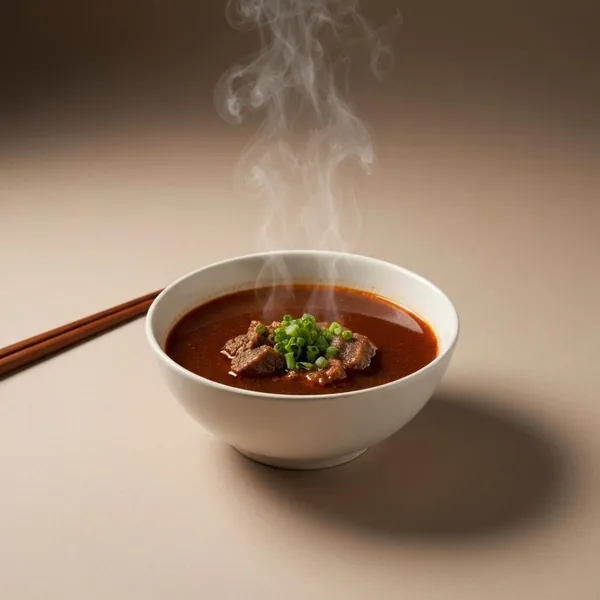
There’s nothing quite like a warm bowl of soup when you’re feeling run-down, cold, or just need something easy on your stomach. But if you follow the low FODMAP diet, soup can feel like a minefield. Nearly every classic soup recipe starts the same way: saute onion and garlic in a pot. That’s a problem — onion and garlic are two of the highest FODMAP foods you can eat, and they form the flavor base of almost every soup you’ll find at restaurants, in cans, and in recipe books.
The good news? You can absolutely enjoy comforting, flavorful soup on the low FODMAP diet. You just need to rethink how you build your base and which ingredients you reach for. This guide walks you through 12 safe soup ideas, the best store-bought options, how to order soup when eating out, and the tricks that make low FODMAP soups taste just as good as the originals.
For a broader look at which foods are safe on this diet, check out our low FODMAP food list.
Why Most Soups Are High FODMAP
Before you can fix the problem, you need to understand why most soups are off-limits. It’s not just one ingredient — there are several common soup components that can trigger symptoms.
Onion and Garlic Stock
This is the biggest culprit. Onion and garlic are high in fructans, a type of FODMAP that ferments rapidly in the gut. Most homemade stocks, commercial broths, and bouillon cubes contain onion and garlic as primary ingredients. Even “vegetable stock” almost always lists onion as the first or second ingredient.
The fructans in onion and garlic are water-soluble, which means they leach directly into the liquid during cooking. You can’t just pick out the pieces — the FODMAPs are already in the broth. This is why even clear soups made with standard stock can trigger bloating and discomfort.
Wheat Flour Thickeners
Many cream-based soups and chowders use wheat flour or a roux (butter and flour) to create that thick, velvety texture. Wheat contains fructans, and while a small amount might be tolerable for some people, the quantities used in soup thickening can push you well past safe limits. This is especially true when you’re eating a full bowl.
Cream and Dairy
Traditional cream soups rely on heavy cream, whole milk, or butter for richness. If you’re sensitive to lactose, these ingredients can compound your symptoms. Even if a soup’s FODMAP content from vegetables is low, the dairy component can push it into uncomfortable territory.
Beans and Lentils
Many hearty soups — minestrone, split pea, lentil soup, chili — rely on legumes for protein and substance. Most beans and lentils are high in GOS (galacto-oligosaccharides), a FODMAP group that causes significant gas and bloating. Canned lentils in small portions (about 1/2 cup) may be tolerable, but the large quantities used in soup recipes are generally too much.
Hidden Ingredients
Beyond the obvious offenders, watch out for:
- Honey used as a sweetener in some tomato and butternut squash soups
- Apple or pear juice used in some commercial soups
- Mushrooms added for umami depth (high in mannitol)
- Celery in large quantities (the stalks are low FODMAP in small amounts, but many soup recipes use a lot)
- Leek white and light green parts (the dark green tops are safe, but the white bulb is high FODMAP)
How to Build a Low FODMAP Soup Base
The foundation of any good soup is its base. Here’s how to build one that’s full of flavor without any FODMAPs.
Start with Garlic-Infused Oil
This is your secret weapon. Garlic-infused oil delivers garlic flavor without the FODMAPs because fructans are water-soluble but not fat-soluble. When garlic cloves are steeped in oil, the flavor compounds transfer to the oil, but the fructans stay behind in the garlic pieces (which you discard).
You can buy garlic-infused oil or make your own by gently heating olive oil with crushed garlic cloves over low heat for a few minutes, then straining out the garlic. Use this oil as the starting point for every soup you make.
Use Leek Greens Instead of Onion
The dark green tops of leeks are low FODMAP and provide a mild onion-like flavor. Slice them thinly and saute them in your garlic-infused oil at the beginning of cooking. They won’t give you the exact same sweetness as onion, but they add a similar aromatic depth that makes your soup taste complete.
Important: Only use the dark green parts. The white and light green parts of the leek are high FODMAP, just like onion.
Add Fresh Ginger
Fresh ginger adds warmth, complexity, and a mild spiciness to soup bases. It’s completely FODMAP-safe and works especially well in Asian-inspired soups, carrot soups, and pumpkin soups. Grate it finely or slice it into coins that you can remove before serving.
Build Flavor with Herbs and Spices
Without onion and garlic, you need to lean harder on herbs and spices. These are all FODMAP-safe and add tremendous flavor:
- Fresh herbs: basil, cilantro, parsley, thyme, rosemary, chives
- Dried herbs: oregano, bay leaves, Italian seasoning
- Spices: cumin, coriander, turmeric, paprika, smoked paprika, black pepper
- Umami boosters: soy sauce (in small amounts), fish sauce, miso paste (small serves)
- Acid: lemon juice, lime juice, rice vinegar
Choose a Safe Stock
Finding a truly FODMAP-safe stock can be tricky. Here’s what to look for:
- Make your own using chicken bones or meat, carrots, leek greens, celery tops, herbs, and salt. Skip the onion and garlic entirely.
- FODY Foods makes certified low FODMAP chicken and vegetable broths
- Read labels carefully on any store-bought stock — even organic and “natural” options almost always contain onion and garlic
- Bone broth can be a good option if you make it yourself without onion or garlic
12 Low FODMAP Soup Ideas
Here are 12 soups that are safe, satisfying, and full of flavor. Each one builds on the low FODMAP soup base principles above.
1. Chicken and Rice Soup
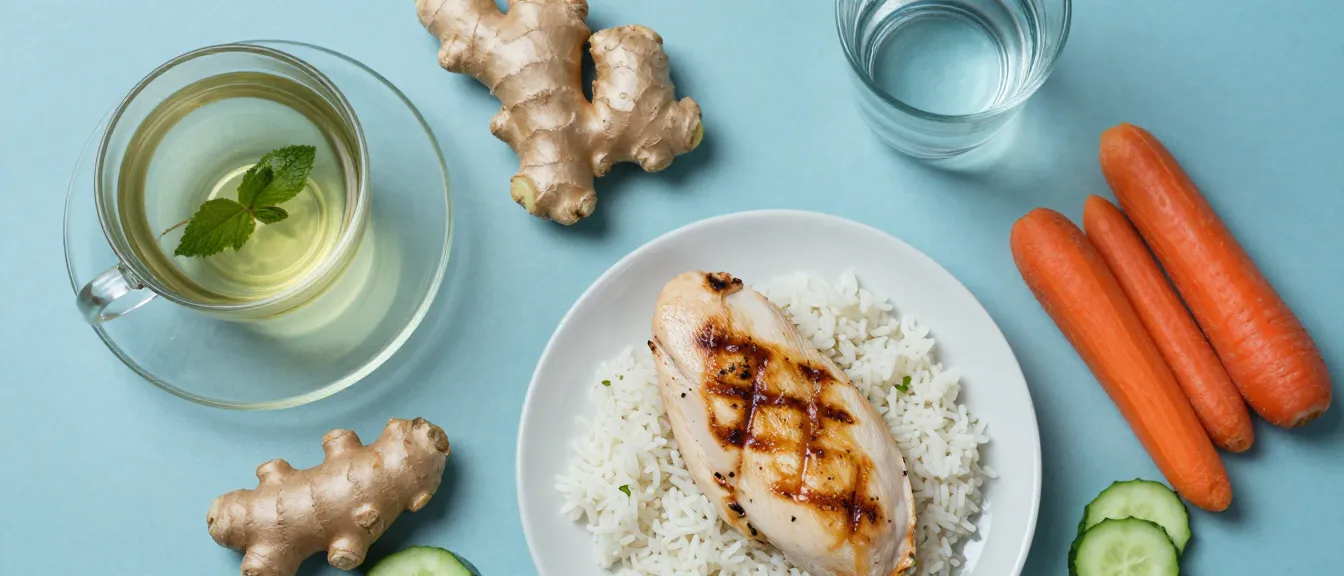
The ultimate comfort soup, and one of the easiest to make FODMAP-safe. Use homemade or FODY chicken broth as your base, add shredded chicken breast, white rice, diced carrots, and a handful of fresh parsley. Season with salt, pepper, and a squeeze of lemon juice. The rice makes it filling without any FODMAP concerns, and the chicken provides clean protein that won’t trigger symptoms.
Key tip: Cook the rice separately and add it to individual bowls before ladling in the soup. This prevents the rice from absorbing all the broth and getting mushy if you have leftovers.
2. Potato Leek Soup (Green Parts Only)
Classic potato leek soup gets a low FODMAP makeover by using only the dark green parts of the leek. Saute sliced leek greens in garlic-infused oil, add peeled and cubed potatoes, cover with safe stock, and simmer until the potatoes are tender. Blend until smooth and finish with a drizzle of olive oil, chives, and cracked black pepper. Use lactose-free cream or coconut cream if you want extra richness.
Key tip: Yukon Gold potatoes give this soup the creamiest texture when blended.
3. Carrot Ginger Soup
This bright, warming soup is naturally low FODMAP and incredibly simple. Saute sliced carrots and grated ginger in garlic-infused oil, add safe stock, and simmer until the carrots are soft. Blend until completely smooth. The natural sweetness of the carrots means you don’t need any added sugar or honey. A splash of coconut cream and a pinch of cumin take it to another level.
Key tip: Roasting the carrots before adding them to the pot deepens the flavor significantly.
4. Tomato Basil Soup
Tomato soup is one of the most satisfying comfort foods, and it’s easy to make without onion and garlic. Saute leek greens in garlic-infused oil, add canned tomatoes (check for added onion or garlic on the label), safe stock, and a generous handful of fresh basil. Simmer for 20 minutes and blend until smooth. Season with salt, pepper, and a tiny pinch of sugar if the tomatoes are too acidic.
Key tip: Canned San Marzano tomatoes give the best flavor. Use up to 1/2 cup of canned tomato per serving to stay within safe FODMAP limits according to Monash University guidelines.
5. Zucchini Soup
Light, creamy, and incredibly gentle on the stomach. Saute sliced zucchini and a small amount of potato in garlic-infused oil, add safe stock, and cook until everything is tender. Blend until smooth. The potato adds body and the zucchini keeps things light. Finish with fresh chives and a drizzle of good olive oil.
Key tip: Don’t overcook the zucchini or the soup will lose its vibrant green color and fresh flavor.
6. Pumpkin Soup
A fall and winter classic. Roast chunks of pumpkin or butternut squash until caramelized, then simmer with garlic-infused oil, safe stock, and warming spices like cumin, coriander, and a pinch of nutmeg. Blend until silky smooth and finish with coconut cream and toasted pepitas (pumpkin seeds).
Key tip: Monash University rates butternut squash as low FODMAP at 1/3 cup (75g) per serving. Stick to a moderate bowl to stay within safe limits. Canned pumpkin puree (not pumpkin pie filling) is also safe at 1/4 cup per serving.
7. Miso Soup (Small Serve)
Traditional miso soup can work on the low FODMAP diet if you keep portions in check. Use a paste made from rice miso (avoid barley miso), add firm tofu cut into cubes, thinly sliced leek greens, and a few pieces of wakame seaweed. Monash University lists miso paste as low FODMAP at 2 sachets or about 12g per serve.
Key tip: Skip the silken tofu (some brands add high FODMAP thickeners) and use firm tofu instead.
8. Chicken Noodle Soup (Gluten-Free Noodles)
For a comforting variation, use homemade low FODMAP chicken stock, shredded chicken, diced carrots, sliced leek greens, and gluten-free rice noodles or pasta. Season with thyme, bay leaf, salt, and pepper. Verify portions and packaged ingredients because individual tolerance and formulations vary.
Key tip: Cook rice noodles separately and add them to individual bowls. They get mushy fast if stored in the broth.
9. Thai-Inspired Coconut Soup
Bring the flavors of tom kha gai home without the FODMAPs. Start with garlic-infused oil, lemongrass, galangal (or extra ginger), and kaffir lime leaves. Add coconut milk (check for high FODMAP additives), safe stock, sliced chicken or shrimp, and zucchini. Finish with lime juice, fish sauce, and fresh cilantro. The coconut milk makes it rich and satisfying.
Key tip: Coconut milk is low FODMAP at 1/2 cup (125ml) per serving. Use light coconut milk if you want to use more without exceeding limits.
10. Modified Minestrone
Traditional minestrone is loaded with beans, onion, and garlic. This version skips all three. Use garlic-infused oil, leek greens, diced carrots, zucchini, tomatoes, green beans (safe in low FODMAP portions), and small gluten-free pasta. Add Italian herbs and a parmesan rind for depth. The result is still hearty and vegetable-packed.
Key tip: If you want some legume content, add a small amount of drained, canned lentils (about 1/4 cup per serving). Canned lentils are lower in FODMAPs than dried because some of the GOS leaches into the canning liquid.
11. Egg Drop Soup
One of the simplest and fastest soups you can make. Bring safe stock to a gentle simmer with grated ginger, a splash of soy sauce, and a pinch of white pepper. Slowly drizzle in beaten eggs while stirring the broth in one direction. The eggs form delicate ribbons in seconds. Top with sliced scallion greens (green parts only) and a drizzle of sesame oil.
Key tip: The stock must be at a gentle simmer, not a rolling boil, or the egg ribbons will break apart into tiny pieces.
12. Beef and Vegetable Soup
A hearty, warming soup for colder months. Brown cubes of beef chuck in garlic-infused oil, then add safe stock, diced potatoes, carrots, green beans, and tomatoes. Season with thyme, rosemary, bay leaf, and smoked paprika. Simmer low and slow until the beef is fall-apart tender. This soup freezes beautifully and gets even better the next day.
Key tip: Tougher, cheaper cuts of beef work best here. The long cooking time breaks down the connective tissue and creates a rich, gelatinous broth.
Best Store-Bought Low FODMAP Soups
Making soup from scratch is ideal, but sometimes you need a quick option. Here are your best bets.
FODY Foods
FODY is one of the few brands that makes certified low FODMAP soups and broths. Their product line includes:
- Chicken soup
- Vegetable soup
- Chicken broth
- Vegetable broth
All FODY products are made without onion, garlic, or other high FODMAP ingredients. They’re available online and at some specialty grocery stores.
Safe Stock Brands
Beyond FODY, look for these when shopping for broth:
- Check every label for onion, garlic, onion powder, garlic powder, or “natural flavors” (which can hide onion and garlic)
- Some organic bone broth brands offer plain versions without onion or garlic — but always verify
- Massel brand bouillon cubes are popular in the low FODMAP community (their chicken-style cubes are onion-free, but always check current ingredient lists)
What to Look for on Labels
When evaluating any store-bought soup or stock, scan the ingredients for these high FODMAP red flags:
| Ingredient | FODMAP Issue |
|---|---|
| Onion, onion powder | High fructans |
| Garlic, garlic powder | High fructans |
| Wheat flour, wheat starch | Fructans |
| Honey | Excess fructose |
| High-fructose corn syrup | Excess fructose |
| Inulin, chicory root | High fructans |
| Apple juice concentrate | Excess fructose |
| Mushroom extract | Mannitol |
| Milk solids, cream | Lactose |
Rule of thumb: If onion or garlic appears anywhere in the first 5-6 ingredients, the product is almost certainly high FODMAP.
How to Order Soup at Restaurants
Eating out doesn’t mean you have to skip soup entirely. Here’s how to navigate restaurant menus.
Ask About the Stock Base
This is the most important question you can ask. Most restaurants use a commercial stock base that contains onion and garlic. Ask your server:
- “What’s in your soup stock — does it contain onion or garlic?”
- “Is the soup made from scratch or from a base?”
- “Can the kitchen use plain water or a simple broth instead?”
Don’t be embarrassed to ask. Most servers are used to dietary questions, and a good kitchen will try to accommodate you.
Request Modifications
Many restaurants can make simple modifications if you ask:
- Hold the croutons (wheat-based)
- Substitute cream with olive oil or coconut cream
- Ask for soup without the bread bowl
- Request a smaller portion if you’re unsure about ingredients
Safest Soup Types to Order
Some soups are inherently safer than others at restaurants:
Generally safer:
- Clear broth-based soups (if you can confirm the stock is safe)
- Pho or bone broth soups at Vietnamese restaurants (ask about the broth)
- Egg drop soup at Chinese restaurants (simple ingredients)
- Miso soup at Japanese restaurants (small serve)
- Simple vegetable soups at farm-to-table restaurants (more likely to use scratch-made stock)
Generally riskier:
- Cream-based soups (flour thickener + dairy)
- French onion soup (obvious reasons)
- Minestrone (beans + onion + garlic)
- Chili (beans + onion + garlic)
- Bisques (flour + cream + often onion/garlic)
- Any soup described as “hearty” or “loaded” (usually contains multiple high FODMAP ingredients)
Consider Bringing Your Own Stock
If you eat at a restaurant regularly, consider asking if they can make your soup using a stock you provide. Some smaller, accommodating restaurants will do this. Bring a container of your homemade low FODMAP stock and ask nicely.
Low FODMAP Soup Thickeners
Wheat flour is the traditional soup thickener, but it’s not the only option. These alternatives create the same creamy, thick texture without any FODMAPs.
Cornstarch
The most common wheat flour substitute. Mix 1 tablespoon of cornstarch with 2 tablespoons of cold water to create a slurry, then stir it into your simmering soup. It thickens quickly and creates a glossy, smooth texture. Cornstarch is FODMAP-free.
Potato Starch
Works similarly to cornstarch but produces a slightly more silky texture. Use the same slurry method. Potato starch breaks down if boiled for too long, so add it toward the end of cooking.
Rice Flour
A good option for soups that need a more opaque, creamy appearance. Rice flour takes a bit longer to thicken than cornstarch, so give it time. It works especially well in Asian-inspired soups.
Pureed Vegetables
This is the most natural thickening method and adds nutrition at the same time. Blend a portion of the soup’s vegetables into a smooth puree and stir it back in. The best vegetables for this:
- Potatoes: Create a starchy, creamy base
- Carrots: Add subtle sweetness and body
- Zucchini: Thicken without changing the flavor much
- Pumpkin or squash: Rich and velvety
Arrowroot Powder
Another starch-based thickener that’s completely FODMAP-safe. It creates a clear, glossy finish and works well in lighter soups and broths. Use it the same way as cornstarch.
Slow Cooker Low FODMAP Soup Tips
A slow cooker is your best friend for making FODMAP-safe soups. Here’s why and how to get the most out of it.
Benefits of Slow Cooking
- Hands-off cooking — set it in the morning and come home to dinner
- Deeper flavor development — long, slow cooking extracts more flavor from herbs and vegetables
- Tender proteins — tough, economical cuts of meat become fall-apart tender
- Better for meal prep — make a large batch that feeds you all week
- Gentler on digestion — slow-cooked foods are often easier on the stomach because the long cooking time begins breaking down tough fibers
How to Adapt Recipes for the Slow Cooker
- Saute your aromatics first. Even though you can throw everything into a slow cooker raw, taking 5 minutes to saute leek greens and ginger in garlic-infused oil on the stovetop first gives your soup a much better flavor foundation
- Use less liquid than stovetop recipes. Slow cookers don’t allow much evaporation, so your soup will come out watery if you use the same amount of stock as a stovetop version. Reduce liquid by about 1/3
- Add delicate vegetables later. Root vegetables like carrots and potatoes can go in at the start, but zucchini, spinach, and fresh herbs should go in during the last 30-60 minutes
- Cook on low for 6-8 hours or high for 3-4 hours for most soups
Batch Preparation and Freezing Tips
Soup is one of the best foods to batch-cook and freeze. Here’s how to do it right:
- Cool soup completely before transferring to containers
- Leave headspace — soup expands as it freezes, so leave at least an inch of room at the top of each container
- Freeze in individual portions — this way you can defrost exactly what you need without wasting anything
- Label everything with the soup name and date
- Use within 3 months for the best quality
- Thaw in the fridge overnight rather than on the counter (food safety)
- Don’t freeze soups with pasta or rice — the starches get mushy. Instead, cook fresh pasta or rice when you reheat and add it to the bowl
Storage containers: Glass containers or silicone bags work best. If using plastic, make sure it’s BPA-free and rated for freezer use.
Common Soup Ingredients: FODMAP Check
Here’s a quick reference for common soup ingredients and their FODMAP status. This can help you quickly evaluate a soup recipe or restaurant menu item.
| Ingredient | FODMAP Status | Safe Serving | Notes |
|---|---|---|---|
| Potatoes | Low FODMAP | Unlimited | Any type, any cooking method |
| Carrots | Low FODMAP | Unlimited | Cooked is easier to digest |
| Zucchini | Low FODMAP | 1/3 cup (65g) | Easy on the stomach |
| Tomatoes | Low FODMAP | Unlimited fresh; 1/2 cup canned | Check canned for additives |
| Chicken | Low FODMAP | Unlimited | All plain cuts safe |
| Broccoli | Low FODMAP | 3/4 cup (75g) heads | Stalks are higher FODMAP |
| Pasta | Moderate | 1 cup cooked (GF) | Wheat pasta: 1/2 cup cooked |
| Lentils | High (dried) / Moderate (canned) | 1/2 cup canned | Drain and rinse canned well |
| Onion | High FODMAP | None | Major FODMAP trigger |
| Garlic | High FODMAP | None (use infused oil) | Fructans are water-soluble |
| Celery | Low FODMAP | Less than 1/4 stalk | Large amounts are higher |
| Green beans | Low FODMAP | 12 beans (75g) | Safe in moderate amounts |
| Spinach | Low FODMAP | Unlimited cooked | Great last-minute addition |
| Leek greens | Low FODMAP | Unlimited | Dark green parts only |
| Pumpkin | Low FODMAP | 1/4 cup (60g) | Canned or fresh |
| Ginger | Low FODMAP | Unlimited | Great flavor builder |
| Coconut milk | Low FODMAP | 1/2 cup (125ml) | Check for additives |
Want to check other ingredients? Browse our complete FODMAP food database for instant ratings on hundreds of foods.
Frequently Asked Questions
Can I use regular chicken stock on the low FODMAP diet?
In most cases, no. The vast majority of commercial chicken stocks contain onion and garlic as primary ingredients. Even organic and “all-natural” brands typically include these. Your safest options are making your own stock without onion or garlic, or using a certified low FODMAP brand like FODY Foods. Always check the ingredient label — if onion or garlic appears anywhere in the list, avoid it.
Is bone broth low FODMAP?
Bone broth itself is FODMAP-safe — it’s just bones, water, and minerals. The problem is that most bone broth recipes and commercial products add onion, garlic, and other high FODMAP aromatics during cooking. If you make bone broth at home using only bones, carrots, celery tops (small amount), leek greens, herbs, apple cider vinegar, and salt, it’s perfectly safe. For store-bought options, read the label carefully.
Can I eat canned soup on the low FODMAP diet?
Very few canned soups are safe. Most contain onion, garlic, wheat flour, or other high FODMAP ingredients. FODY Foods offers low FODMAP canned soups specifically designed for people on this diet. If you’re evaluating other brands, read the full ingredient list and check for every item in our red flags table above. When in doubt, skip it and make your own.
Is miso soup safe on the low FODMAP diet?
Yes, in small portions. Monash University has tested miso paste and found it to be low FODMAP at about 12g (roughly 2 sachets) per serving. Stick to a small bowl, use rice-based miso paste (avoid barley miso, which contains gluten), and add safe toppings like firm tofu, leek greens, and wakame seaweed. Avoid adding mushrooms or regular scallion bulbs.
How do I thicken soup without wheat flour?
Several FODMAP-safe alternatives work beautifully. Cornstarch is the most popular — mix it with cold water to make a slurry and stir it into simmering soup. Potato starch, rice flour, and arrowroot powder all work the same way. For a more natural approach, puree some of the soup’s vegetables (especially potatoes or carrots) and stir the puree back in. This thickens the soup and adds extra nutrition without any additives.
Can I add beans to low FODMAP soup?
Most beans are high in GOS and not suitable for the elimination phase of the low FODMAP diet. However, Monash University has found that canned, drained chickpeas (1/4 cup) and canned, drained lentils (1/2 cup) are low FODMAP in these specific portions. The canning process reduces the GOS content because it leaches into the canning water. If you want legume content in your soup, stick to these options in the listed portions and drain and rinse them well before adding.
What’s the best low FODMAP soup for when I’m feeling sick?
Chicken and rice soup is your go-to. It’s gentle, hydrating, and easy to digest. Make it with homemade low FODMAP stock, shredded chicken, white rice, and soft-cooked carrots. The broth helps with hydration, the chicken provides protein for recovery, and the rice gives you gentle energy. Add fresh ginger if nausea is an issue — it’s a natural stomach settler.
Can I use garlic powder or onion powder in soup?
No. Garlic powder and onion powder are concentrated forms of high FODMAP ingredients and are actually worse than fresh garlic and onion on a per-weight basis. The dehydration process concentrates the fructans. Always use garlic-infused oil for garlic flavor (the fructans don’t transfer to oil) and leek greens for onion-like flavor instead.
The Bottom Line
Soup doesn’t have to be off-limits on the low FODMAP diet. The key is rethinking how you build your flavor base. Swap onion for leek greens, use garlic-infused oil instead of fresh garlic, choose a safe stock, and thicken with cornstarch or pureed vegetables instead of wheat flour. With these simple swaps, you can enjoy virtually any style of soup.
If you’re craving soup right now: Start with chicken and rice soup or carrot ginger soup — both are simple, safe, and deeply comforting. Use garlic-infused oil as your starting fat, leek greens for aromatic depth, and homemade or FODY stock as your liquid.
Key strategies for low FODMAP soups:
- Always start with garlic-infused oil instead of fresh garlic
- Use leek greens (dark green parts only) instead of onion
- Make your own stock or use certified low FODMAP brands
- Thicken with cornstarch, potato starch, or pureed vegetables instead of wheat flour
- Use coconut cream or lactose-free cream instead of regular dairy
- Batch-cook and freeze individual portions for easy weeknight meals
- When eating out, always ask about the stock base before ordering
Soup is one of the most meal-prep-friendly foods that exist. Spend an hour on a weekend making a big batch, freeze it in portions, and you’ll have safe, comforting meals ready to go whenever you need them. For more meal ideas and recipes, explore our low FODMAP recipes and browse our food database to build your own custom soups with confidence.
Disclaimer: This guide is for educational purposes only. FODMAP serving sizes referenced in this article are based on Monash University guidelines, which may be updated as new research becomes available. Always work with a FODMAP-trained dietitian for personalized dietary advice.