Are Chickpeas Low FODMAP? Serving Sizes, Canned vs Dried & Tips
Are chickpeas low FODMAP? Learn the safe serving size, why canned beats dried, how chickpeas compare to other legumes, and practical tips for enjoying them on a low FODMAP diet.
Are Chickpeas Low FODMAP? Serving Sizes, Canned vs Dried & Tips is HIGH FODMAP
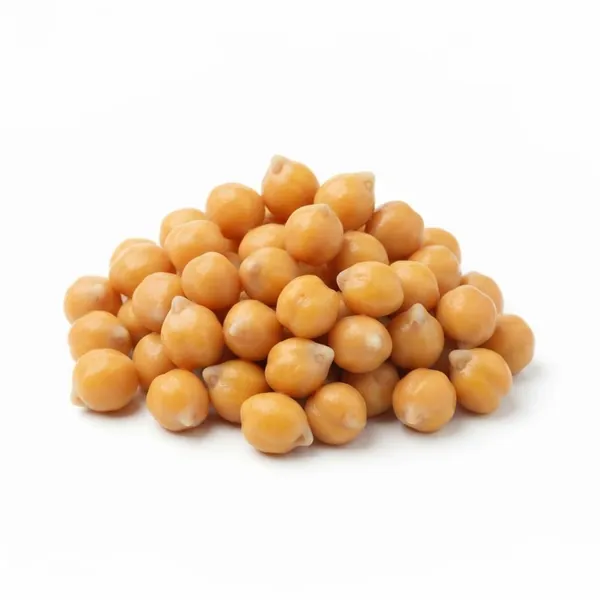
Reference portion: 1½ tablespoons (29g)
Serving Information
| ✓ Low FODMAP reference portion | 1½ tablespoons (29g) |
|---|---|
| ✗ High FODMAP at | 1 cup (173g) |
| FODMAP Types |
|
Are Chickpeas Low FODMAP?
If you are wondering “are chickpeas low FODMAP?”, the short answer is: chickpeas are high FODMAP at typical serving sizes. However, canned chickpeas (also known as garbanzo beans) that have been drained and rinsed can be consumed in very small amounts on a low FODMAP diet. According to Monash University testing, canned chickpeas are low FODMAP at 1½ tablespoons (29g). Beyond this amount, FODMAP levels increase significantly due to their GOS and fructan content.
This is important for the millions of people managing IBS through dietary changes. Chickpeas are a staple ingredient in many cuisines around the world — from Middle Eastern hummus and falafel to Indian chana masala and Mediterranean salads. Understanding exactly how much you can safely eat, and which preparation method reduces FODMAPs the most, makes it possible to still enjoy chickpeas without triggering symptoms.
Safe Serving Size for Chickpeas
The table below summarizes how FODMAP levels change with serving size, based on Monash University data for canned, drained chickpeas:
| Serving Size | Amount | FODMAP Level | FODMAPs Present |
|---|---|---|---|
| 1½ tablespoons | 29g | Low | None detected at threshold |
| 2 tablespoons | 33g | Moderate | GOS, fructans |
| ¼ cup | ~43g | Moderate-High | GOS, fructans |
| ½ cup | ~87g | High | GOS, fructans |
| 1 cup | 173g | High | GOS, fructans |
The 1½ tablespoon (29g) serving is the only serving size confirmed to be low FODMAP. Even a small increase to 2 tablespoons pushes the FODMAP content into moderate territory. This narrow window means careful measuring is essential when including chickpeas in your meals during the elimination phase.
Keep in mind that these values apply specifically to canned, drained chickpeas. Dried chickpeas that you cook at home will have higher FODMAP levels at the same weight, which is covered in more detail below.
Why Do Chickpeas Contain FODMAPs?
Chickpeas contain two main types of FODMAPs: GOS (galacto-oligosaccharides) and fructans. Both belong to the oligosaccharide group in the FODMAP acronym.
What Are GOS and Fructans?
- GOS (galacto-oligosaccharides) are chains of galactose sugars linked together. Humans lack the enzyme alpha-galactosidase needed to break them down in the small intestine, so they pass through to the large intestine undigested.
- Fructans are chains of fructose molecules. Like GOS, they resist digestion in the small intestine and reach the colon intact.
Why These FODMAPs Cause Symptoms
When GOS and fructans arrive in the colon undigested, two things happen:
- Fermentation — Gut bacteria feed on these carbohydrates and produce hydrogen, methane, and carbon dioxide gas. This causes bloating, distension, and flatulence.
- Osmotic effect — These small molecules draw water into the intestinal lumen through osmosis, which can lead to loose stools or diarrhea.
In people with IBS, the gut is hypersensitive to this stretching and distension, which is why even moderate FODMAP loads can trigger significant discomfort including:
- Bloating and visible abdominal distension
- Excessive gas and flatulence
- Cramping and abdominal pain
- Urgency and changes in bowel habits
At the safe serving of 1½ tablespoons, the total FODMAP load from chickpeas is minimal and well below the threshold that triggers symptoms in most people. As serving sizes increase, the FODMAP content rises proportionally, making symptoms increasingly likely.
Why Legumes Are Particularly High in FODMAPs
All legumes — including chickpeas, lentils, black beans, kidney beans, and soybeans — naturally contain GOS as part of their carbohydrate profile. This is why legumes as a group tend to be high FODMAP and why the saying “beans make you gassy” has a real biochemical basis. The GOS content varies between legume types and preparation methods, which is why some legumes have larger safe servings than others.
Canned vs. Dried Chickpeas: FODMAP Comparison
One of the most important factors in managing chickpea FODMAP content is whether you use canned or dried chickpeas. Canned chickpeas are significantly lower in FODMAPs than home-cooked dried chickpeas, and here is a detailed comparison.
Comparison Table: Canned vs. Dried Chickpeas
| Factor | Canned Chickpeas (Drained & Rinsed) | Dried Chickpeas (Home-Cooked) |
|---|---|---|
| FODMAP Level at 29g | Low | Moderate to High |
| Safe Low FODMAP Serving | 1½ tablespoons (29g) | Not established — avoid during elimination |
| GOS Content | Reduced (leaches into canning liquid) | Full natural GOS content retained |
| Fructan Content | Reduced | Full natural fructan content retained |
| Preparation | Drain and rinse — ready in seconds | Requires 8–12 hours soaking + 1–2 hours cooking |
| FODMAP Predictability | Consistent between brands | Variable depending on soaking and cooking method |
| Best For | Elimination phase and maintenance | Reintroduction testing only (with caution) |
Why Canned Chickpeas Are Lower in FODMAPs
During the canning process, chickpeas sit in water (the canning liquid, also called aquafaba) for an extended period under pressure. GOS and fructans are water-soluble, so a meaningful portion of these FODMAPs leaches out of the chickpeas and into the surrounding liquid. When you drain and rinse the canned chickpeas, you are discarding this FODMAP-rich liquid.
By contrast, when you cook dried chickpeas at home, even if you soak them overnight and discard the soaking water, the cooking process does not remove as much FODMAP content as commercial canning. The extended high-pressure processing used in canning is more effective at extracting these water-soluble carbohydrates.
How to Maximize FODMAP Reduction
To get the lowest possible FODMAP content from canned chickpeas:
- Open the can and drain all liquid — Do not use the aquafaba (canning liquid) in your cooking
- Place chickpeas in a colander and rinse thoroughly under cold running water for 30–60 seconds
- Let them drain completely before adding to your dish
- Measure after draining — Use measuring spoons to portion out exactly 1½ tablespoons
This drain-and-rinse method is the same approach recommended for reducing FODMAPs in other canned legumes, including canned lentils and canned black beans.
Chickpeas vs. Other Legumes: FODMAP Comparison
If you love legumes and want to know which options give you the most volume on a low FODMAP diet, this comparison table shows how chickpeas stack up against other common legumes:
| Legume | Low FODMAP Serving | Weight | Primary FODMAPs | Notes |
|---|---|---|---|---|
| Chickpeas (canned, drained) | 1½ tablespoons | 29g | GOS, fructans | Smallest safe serving among common legumes |
| Lentils (canned, drained) | ¼ cup | 46g | GOS, fructans | Larger safe serving than chickpeas |
| Black beans (canned, drained) | Small serving | ~40g | GOS | Similar profile to chickpeas |
| Butter beans (canned, drained) | Small serving | ~30g | GOS | Comparable to chickpeas |
| Firm tofu | 2/3 cup | 170g | Minimal | Best high-volume legume option |
| Tempeh | 3½ oz | 100g | Minimal | Fermentation reduces FODMAPs |
| Edamame (frozen) | ¾ cup | ~95g | GOS | Decent safe serving size |
As the table shows, chickpeas have one of the smallest safe servings among legumes. If you want more volume, canned lentils offer a larger safe serving at ¼ cup (46g), and firm tofu provides the most generous portion at 170g. Black beans fall somewhere in the middle.
Practical Tips for Eating Chickpeas on a Low FODMAP Diet
Following these practical strategies will help you enjoy chickpeas safely during the elimination phase and beyond:
Measuring and Portioning
- Use measuring spoons, not estimates — 1½ tablespoons is a small amount, and eyeballing it often leads to eating more than intended
- Pre-portion servings — When you open a can, measure out 1½ tablespoon portions into small containers or bags so they are ready to grab
- Weigh for accuracy — If you have a kitchen scale, 29g is the target weight for a single low FODMAP serving
Choosing and Preparing
- Always choose canned chickpeas over dried during the elimination phase
- Drain and rinse thoroughly — This step removes additional FODMAPs from the surface
- Check ingredient labels — Some flavored or seasoned canned chickpeas may contain garlic, onion, or other high FODMAP additives
- Store opened cans properly — Transfer leftover chickpeas to an airtight container and refrigerate; use within 3–4 days
FODMAP Stacking
- Avoid combining chickpeas with other moderate or high FODMAP foods in the same meal — the cumulative FODMAP load can push you over your threshold even if each individual food is within its safe serving
- Space out legume servings — If you eat chickpeas at lunch, avoid having lentils or black beans at dinner
- Build meals around low FODMAP base ingredients — Pair your small chickpea serving with rice, quinoa, chicken, carrots, spinach, or bell peppers
Tracking and Monitoring
- Keep a food and symptom diary — Record when you eat chickpeas, how much, and any symptoms that follow
- Note your personal threshold — Some people tolerate closer to 2 tablespoons without issue, while others are sensitive even at 1½ tablespoons
- Track cumulative FODMAP intake across the whole day, not just per meal
Low FODMAP Alternatives to Chickpeas
If the 1½ tablespoon safe serving feels too restrictive or you want to avoid chickpeas entirely, these alternatives provide similar nutrition and texture:
Protein-Rich Legume Alternatives
- Firm tofu — Low FODMAP at 170g (2/3 cup). Excellent protein source that absorbs flavors well. Works in stir-fries, curries, salads, and grain bowls.
- Tempeh — Low FODMAP at 100g. The fermentation process reduces FODMAP content. Great sliced and pan-fried or crumbled into dishes.
- Canned lentils — Low FODMAP at ¼ cup (46g) when canned and drained. A larger safe serving than chickpeas. Works well in soups, salads, and curries.
- Edamame (frozen) — Low FODMAP at ¾ cup (~95g). A convenient snack or salad addition with a generous safe serving.
- Peanuts — Technically a legume, low FODMAP at 2 tablespoons (28g). Good for snacking or adding crunch to dishes.
Texture and Flavor Substitutes
When a recipe calls for chickpeas and you need a substitute that provides similar texture:
- Cubed firm tofu — Mimics the soft texture of chickpeas in curries and stews
- Diced potatoes — Provides bulk and starchiness in soups and stews
- Diced zucchini — Works in Mediterranean-style dishes where chickpeas would normally appear
- Roasted pumpkin or squash — Adds substance to grain bowls and salads
- Sunflower seeds or pumpkin seeds — Provide crunch similar to roasted chickpeas as a snack or salad topper
Low FODMAP Recipe Ideas with Chickpeas
You can still enjoy the flavor and texture of chickpeas in low FODMAP recipes by carefully using the safe 1½ tablespoon (29g) serving. Here are detailed recipe ideas:
Quick Meals
- Mediterranean grain bowl — Combine quinoa or rice with 1½ tablespoons chickpeas, diced cucumber, tomatoes, spinach, feta cheese, and a lemon-olive oil dressing
- Low FODMAP salad topper — Scatter a measured portion of chickpeas over a green salad with carrots, bell peppers, and walnuts
- Chickpea and vegetable stir-fry — Toss chickpeas into a garlic-infused oil stir-fry with broccoli stems, zucchini, and carrots over rice
- Pasta with chickpeas — Mix into gluten-free pasta with roasted tomatoes, spinach, and garlic-infused olive oil
Snacks
- Roasted chickpeas — Toss 1½ tablespoons with garlic-infused oil, cumin, smoked paprika, and salt. Roast at 400°F (200°C) for 25–30 minutes until crispy
- Chickpea trail mix — Combine roasted chickpeas with peanuts, pumpkin seeds, and a few walnuts
Soups and Stews
- Low FODMAP minestrone — Add 1½ tablespoons chickpeas to a vegetable soup made with potatoes, carrots, zucchini, and tomatoes in a low FODMAP broth
- Chickpea-topped soup — Use a few chickpeas as a garnish on a pumpkin or carrot soup
Low FODMAP Hummus Alternative
Traditional hummus is high FODMAP because it uses large amounts of chickpeas and garlic. To make a low FODMAP version:
- Use 1½ tablespoons of canned, drained chickpeas per serving
- Replace garlic with garlic-infused olive oil
- Add tahini, lemon juice, cumin, and salt
- Blend until smooth — the result will be a small but flavorful portion
Alternatively, you can make a larger batch of dip using roasted carrots or roasted bell peppers as the base, adding just a small amount of chickpeas for flavor.
Chickpea Flour (Besan) and FODMAP
Chickpea flour (besan) is high FODMAP and should be avoided during the elimination phase. Unlike whole canned chickpeas where you can control the serving size to stay within the safe threshold, chickpea flour is concentrated and even small amounts in baked goods or coatings can contain enough FODMAPs to trigger symptoms.
Products to Watch Out For
Check ingredient labels carefully and avoid these products that commonly contain chickpea flour:
- Chickpea pasta — Increasingly popular as a gluten-free option, but high FODMAP due to chickpea flour content
- Socca / farinata — A traditional chickpea flatbread from Nice and Genoa
- Pakoras and bhajis — Indian fritters made with besan batter
- Falafel — Made from ground chickpeas or chickpea flour (high FODMAP regardless of preparation)
- Chickpea-based crackers and chips — Many “protein” or “plant-based” snacks use chickpea flour
- Gluten-free baking mixes — Some gluten-free flour blends include chickpea flour as an ingredient
Low FODMAP Flour Alternatives
If a recipe calls for chickpea flour, consider these substitutes:
- Rice flour — Neutral flavor, widely available
- Cornstarch or corn flour — Good for coatings and thickening
- Oat flour — Works in baking (use certified gluten-free if needed)
- Potato starch — Excellent for crispy coatings
Chickpeas and the Reintroduction Phase
During the FODMAP reintroduction phase, you can systematically test your personal tolerance for chickpeas. Since chickpeas contain both GOS and fructans, they serve as a useful test food for the oligosaccharide group.
Step-by-Step Reintroduction Protocol
- Day 1 — Start with the low FODMAP serving: Eat 1½ tablespoons (29g) of canned, drained chickpeas. Monitor for symptoms over the next 24 hours.
- Day 2 — Increase to moderate: If Day 1 was symptom-free, try 2 tablespoons (33g). Monitor for symptoms.
- Day 3 — Test a larger portion: If Day 2 was tolerated, try ¼ cup (~43g). Monitor for symptoms.
- Days 4–6 — Washout period: Return to your baseline low FODMAP diet for 3 days to ensure any residual symptoms clear.
- Record your results: Note the largest serving you tolerated without symptoms — this becomes your personal threshold for chickpeas.
Interpreting Your Results
- Tolerated ¼ cup or more — You likely have good tolerance for GOS and fructans and can include moderate portions of chickpeas in your regular diet
- Tolerated 2 tablespoons but not ¼ cup — You have moderate sensitivity; stick to 2 tablespoons or less
- Symptoms at 2 tablespoons — You are quite sensitive to the oligosaccharides in chickpeas; stick with the 1½ tablespoon safe serving
- Symptoms even at 1½ tablespoons — You may need to avoid chickpeas entirely and use alternatives instead
What Your Chickpea Tolerance Tells You
Since chickpeas contain GOS, your tolerance for chickpeas often predicts your tolerance for other GOS-containing foods, including other legumes like lentils and black beans. If you tolerate chickpeas well during reintroduction, you may also tolerate moderate servings of these related foods — though you should still test each one individually.
Nutritional Benefits of Chickpeas
Despite the FODMAP limitations, chickpeas are nutritionally dense, and even the small safe serving contributes valuable nutrients:
| Nutrient | Per 1½ tbsp (29g) Canned Chickpeas | Per 1 cup (173g) Reference |
|---|---|---|
| Calories | ~39 kcal | ~230 kcal |
| Protein | ~2.1g | ~12.5g |
| Fiber | ~1.8g | ~10.6g |
| Iron | ~0.5mg | ~3.2mg |
| Folate | ~26mcg | ~160mcg |
| Manganese | ~0.2mg | ~1.2mg |
While 1½ tablespoons does not provide a large protein hit, the fiber, iron, and folate content still make it a worthwhile addition to a meal. To get adequate protein, pair your chickpea serving with other low FODMAP protein sources like chicken, eggs, salmon, firm tofu, or tempeh.
Common Mistakes to Avoid
When including chickpeas in a low FODMAP diet, these are the most common pitfalls:
- Eyeballing portions — 1½ tablespoons is smaller than most people think. Always measure.
- Using dried chickpeas during elimination — Home-cooked dried chickpeas retain more FODMAPs than canned. Stick with canned during the elimination phase.
- Forgetting to drain and rinse — The canning liquid contains leached FODMAPs. Always drain and rinse thoroughly.
- FODMAP stacking — Eating chickpeas alongside other moderate FODMAP foods (like a bread with wheat, or a dish with honey) can push your total FODMAP load over the threshold.
- Overlooking chickpea flour in packaged foods — Check ingredient lists on gluten-free products, protein snacks, and ready-made meals.
- Eating chickpeas multiple times per day — Even if each serving is within the safe amount, cumulative intake across the day can exceed your tolerance.
- Assuming all chickpea products are equal — Hummus, falafel, chickpea pasta, and whole chickpeas all have different FODMAP profiles.
The Bottom Line
Are chickpeas low FODMAP? Not at typical serving sizes — chickpeas are high FODMAP due to their GOS and fructan content. However, canned, drained, and rinsed chickpeas can be safely enjoyed at 1½ tablespoons (29g) on a low FODMAP diet. This small serving lets you add flavor and texture to meals without triggering IBS symptoms.
The key strategies for including chickpeas in a low FODMAP diet are:
- Always choose canned over dried — Canned chickpeas have lower FODMAP content thanks to the leaching that occurs during processing
- Drain and rinse thoroughly — This removes additional surface FODMAPs
- Measure precisely — Use measuring spoons or a kitchen scale to stay within the 29g safe serving
- Avoid FODMAP stacking — Pair chickpeas with confirmed low FODMAP ingredients
- Test your personal tolerance during the reintroduction phase — you may find you can handle more than the minimum safe serving
If 1½ tablespoons feels too restrictive, consider canned lentils (safe at ¼ cup), firm tofu (safe at 170g), or other legume alternatives that offer larger safe servings. And if you are craving hummus, try making a low FODMAP version with garlic-infused oil instead of raw garlic.
Frequently Asked Questions
Are chickpeas low FODMAP?
Chickpeas are high FODMAP at normal serving sizes. However, at very small servings of 1½ tablespoons (29g) of canned, drained chickpeas, they are considered low FODMAP.
What is the safe serving size for chickpeas on a low FODMAP diet?
The safe low FODMAP serving is 1½ tablespoons (29g) of canned, drained chickpeas. A moderate serving of 2 tablespoons (33g) contains moderate FODMAPs, and 1 cup (173g) is high FODMAP.
What FODMAPs do chickpeas contain?
Chickpeas contain GOS (galacto-oligosaccharides) and fructans. These oligosaccharides can cause bloating, gas, and digestive discomfort in people with IBS.
Are canned chickpeas better than dried for a low FODMAP diet?
Yes! Canned chickpeas that are drained and rinsed have lower FODMAP content than dried chickpeas that you cook yourself, as some FODMAPs leach into the canning liquid during processing.
Can I eat hummus on a low FODMAP diet?
Traditional hummus made with chickpeas and garlic is high FODMAP. You can make a low FODMAP version using the safe serving of chickpeas (1½ tablespoons) with garlic-infused oil instead of raw garlic, or try alternatives like roasted carrot or roasted bell pepper dip.
How do chickpeas compare to lentils and black beans for FODMAP content?
Canned, drained lentils have a larger safe serving (¼ cup / 46g) than chickpeas (1½ tablespoons / 29g). Canned black beans are also low FODMAP at small servings. Among common legumes, lentils tend to be the most FODMAP-friendly option.
Is chickpea flour (besan) low FODMAP?
No. Chickpea flour is high FODMAP and should be avoided during the elimination phase. Products made with chickpea flour, such as chickpea pasta, falafel, and socca, are also high FODMAP.