Is Spinach Low FODMAP?
Learn whether spinach is safe on a low FODMAP diet, including differences between baby and English spinach, safe serving sizes, and preparation tips.
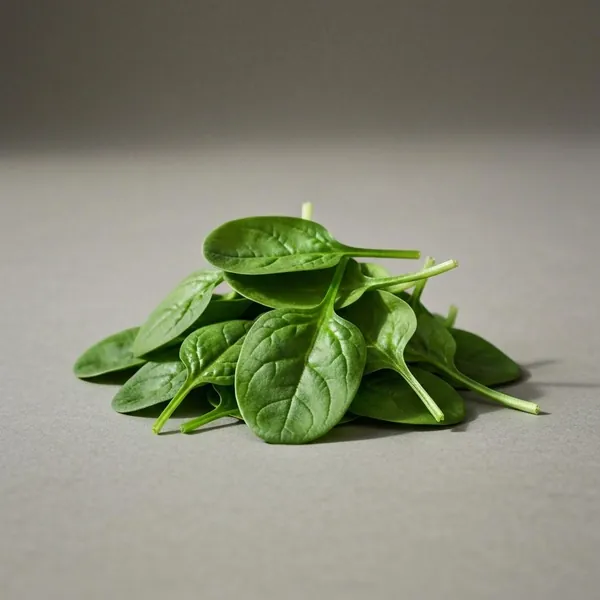
Spinach is LOW FODMAP
Reference portion: 1½ cups baby spinach (75g) or up to 500g English spinach
Serving Information
| ✓ Low FODMAP reference portion | 1½ cups baby spinach (75g) or up to 500g English spinach |
|---|---|
| ✗ High FODMAP at | 3½ cups baby spinach (175g) |
| FODMAP Types |
|
Is Spinach Low FODMAP?
Yes! Spinach is low FODMAP. Both baby spinach and English spinach are safe for most people following a low FODMAP diet, though they have different serving size guidelines.
- Baby spinach is low FODMAP at 1½ cups (75g), becomes moderate at 3 cups (146g), and high FODMAP at 3½ cups (175g)
- English spinach remains low FODMAP at all tested serving sizes up to 500 grams
This makes spinach an excellent choice for salads, smoothies, and cooked dishes. It’s nutrient-dense, versatile, and won’t trigger IBS symptoms when eaten in appropriate amounts.
Safe Serving Sizes
Baby Spinach (Raw)
| Serving | FODMAP Level | Weight |
|---|---|---|
| 1½ cups | Low | 75g |
| 3 cups | Moderate | 146g |
| 3½ cups | High | 175g |
English Spinach (Raw)
| Serving | FODMAP Level | Weight |
|---|---|---|
| 1½ cups | Low | 75g |
| Up to 500g | Low | 500g |
According to Monash University, English spinach is particularly generous in its low FODMAP serving sizes. The research shows it remains low in FODMAPs even at 500 grams, making it one of the safest leafy greens for IBS sufferers.
Baby spinach has more restrictions at higher servings, but 1½ cups of raw spinach is still a substantial amount for a salad or side dish.
Why Does Spinach Contain FODMAPs?
At larger serving sizes, spinach contains small amounts of:
- GOS (galacto-oligosaccharides) - A type of oligosaccharide that’s poorly absorbed
- Fructans - Another oligosaccharide found in many vegetables
These FODMAPs are present in very low concentrations in spinach, which is why you can eat generous portions before reaching moderate or high FODMAP levels. When you do exceed the low FODMAP threshold (3½ cups for baby spinach), gut bacteria ferment these oligosaccharides, potentially causing gas, bloating, and other IBS symptoms.
The difference between baby spinach and English spinach may be due to:
- Age of the leaves (baby spinach is harvested earlier)
- Concentration of FODMAPs per gram
- Testing methodology differences
At the recommended low FODMAP serving sizes (1½ cups), both types contain minimal FODMAPs and are well-tolerated by most people with IBS.
Tips for Eating Spinach on Low FODMAP
-
Measure raw portions - 1½ cups of raw baby spinach looks like a generous handful. Use a measuring cup initially to understand the portion size.
-
Cooked spinach shrinks dramatically - When you cook spinach, it wilts to about ⅕ of its raw volume. This means 1½ cups raw becomes about ⅓ cup cooked - perfectly safe and easy to add to dishes.
-
English spinach is more forgiving - If you love spinach salads or want larger portions, choose English spinach over baby spinach for more generous servings.
-
Combine with other low FODMAP vegetables - Spinach pairs well with cucumber, carrots, bell peppers, and tomatoes (measured amounts) in salads.
-
Watch salad dressings - Many commercial dressings contain garlic, onion, or high fructose corn syrup. Make your own with olive oil, lemon juice, Dijon mustard, and herbs.
-
Add to smoothies - Raw spinach is perfect for green smoothies. Stick to 1½ cups baby spinach per smoothie, combined with low FODMAP fruits like strawberries or banana.
-
Frozen spinach is fine - Frozen spinach is pre-washed and blanched, making it convenient. Measure after thawing and squeezing out excess water.
-
Don’t worry about stacking cooked vs raw - If you have ⅓ cup cooked spinach at lunch (which was 1½ cups raw), you can still have a fresh salad at dinner. The FODMAP content doesn’t double.
Low FODMAP Alternatives
While spinach is already low FODMAP and very safe, you might want variety:
-
Lettuce - All varieties (romaine, iceberg, butter lettuce) are low FODMAP at generous servings. Great for salads and wraps.
-
Arugula/Rocket - Low FODMAP at 1 cup (25g), adds a peppery flavor to salads.
-
Kale - Lacinato/dinosaur kale is low FODMAP at ¾ cup (75g). Curly kale has different FODMAP levels.
-
Swiss chard - Low FODMAP at ¾ cup (75g), similar cooking properties to spinach.
-
Bok choy - Low FODMAP at 1 cup (75g), excellent in stir-fries.
-
Collard greens - Low FODMAP at ¾ cup (75g), heartier texture when cooked.
Recipes Using Spinach
Spinach is incredibly versatile on a low FODMAP diet. Here are some delicious ways to enjoy it:
-
Simple Spinach Salad - Combine 1½ cups baby spinach with sliced cucumber, cherry tomatoes (5 max), grated carrot, and sunflower seeds. Dress with olive oil, lemon juice, salt, and pepper.
-
Sautéed Spinach - Heat olive oil or garlic-infused oil in a pan, add fresh spinach (it will shrink!), and cook until wilted. Season with salt, pepper, and a squeeze of lemon. Serve as a side dish.
-
Spinach and Feta Scramble - Scramble eggs with wilted spinach and crumbled feta cheese (check lactose content or use aged feta). Perfect for breakfast.
-
Green Smoothie - Blend 1½ cups baby spinach with 1 cup lactose-free milk, ½ banana, ½ cup strawberries, and ice. The spinach flavor is mild and the color is vibrant.
-
Spinach and Ricotta Stuffed Chicken - Butterfly chicken breasts and stuff with a mixture of cooked spinach, lactose-free ricotta, and herbs. Bake until cooked through.
-
Low FODMAP Spinach Dip - Mix chopped cooked spinach with lactose-free cream cheese, lactose-free sour cream, grated parmesan (naturally low lactose), and herbs. Serve with low FODMAP crackers or vegetable sticks.
-
Spinach and Quinoa Bowl - Layer cooked quinoa (⅓ cup), sautéed spinach, grilled chicken, cherry tomatoes (5), cucumber, and a drizzle of olive oil with lemon.
-
Palak Paneer (Modified) - Make a low FODMAP version using spinach, lactose-free paneer or firm tofu, ginger, cumin, and coriander. Skip the onions and garlic or use infused oils.
-
Spinach Frittata - Whisk eggs with lactose-free milk, add wilted spinach, diced tomatoes, and lactose-free cheese. Bake in a cast-iron skillet for a protein-rich meal.
-
Pasta with Spinach - Toss gluten-free or wheat pasta (check serving sizes) with wilted spinach, cherry tomatoes, pine nuts, and parmesan. Use garlic-infused olive oil for flavor.
Nutritional Benefits
Beyond being low FODMAP, spinach is incredibly nutritious:
- Iron - Important for energy and oxygen transport (note: plant-based iron is less absorbable than animal-based)
- Folate - Essential for cell division and DNA synthesis
- Vitamin K - Critical for blood clotting and bone health
- Vitamin A - Supports vision and immune function
- Magnesium - Helps with muscle and nerve function
- Fiber - Supports digestive health (though too much fiber can be problematic for some IBS sufferers)
Remember, spinach is one of the safest and most nutritious vegetables on the low FODMAP diet. English spinach is particularly generous in serving sizes, while baby spinach offers tender leaves perfect for salads. Enjoy spinach regularly as part of a varied, balanced low FODMAP diet!
Frequently Asked Questions
Is spinach low FODMAP?
Yes! Spinach is low FODMAP. Baby spinach is low at 1½ cups (75g), while English spinach remains low at all tested serving sizes up to 500g.
What is the safe serving size for spinach?
Baby spinach: 1½ cups (75g). English spinach: up to 500g. Both are safe, but English spinach is even more generous in portion sizes.
Is raw or cooked spinach better for IBS?
Both are low FODMAP. Cooked spinach may be easier to digest for some people and reduces volume, making it easier to eat more. Raw spinach in salads is also fine.
Can I eat spinach every day on the low FODMAP diet?
Yes, spinach is safe to eat daily as long as you stick to recommended serving sizes and don't overdo FODMAP stacking with other vegetables.