Is Rice Low FODMAP?
Discover whether rice is safe on a low FODMAP diet. Learn about white rice, brown rice, and wild rice serving sizes and tips for IBS.
Rice is LOW FODMAP
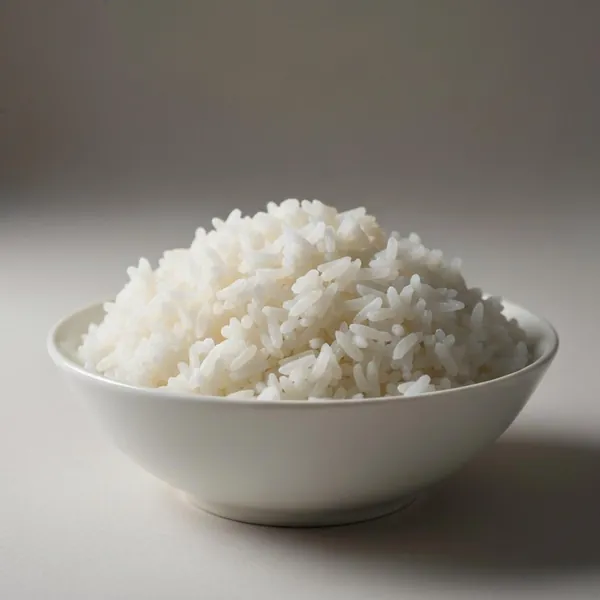
Reference portion: 1 cup (190g) cooked white rice
Serving Information
| ✓ Low FODMAP reference portion | 1 cup (190g) cooked white rice |
|---|---|
| FODMAP Types | |
Is Rice Low FODMAP?
Rice is low FODMAP. At a serving of 1 cup (190g) cooked white rice, it is completely safe for people following a low FODMAP diet. In fact, rice remains low FODMAP even at much larger servings - Monash University has tested it up to 500 grams and found it stays low in FODMAPs.
This makes rice one of the absolute safest and most versatile grains for anyone with IBS. Unlike wheat, oats, and many other grains that become high FODMAP at larger portions, rice can be a reliable staple in your diet.
Safe Serving Size
| Type of Rice | Serving Size (Cooked) | FODMAP Level |
|---|---|---|
| White rice | 1 cup (190g) | Low |
| White rice | Up to 500g | Low |
| Brown rice | 1 cup (190g) | Low |
| Brown rice | 2½ cups | Moderate (GOS, Fructans) |
| Brown rice | 3 cups | High (GOS, Fructans) |
| Basmati rice | 1 cup (190g) | Low |
| Wild rice | 1 cup cooked | Low |
According to Monash University, white rice remains low FODMAP even at very large servings - up to 500 grams cooked, which is about 2.5 cups. This is exceptional compared to most grains.
Brown rice is also low FODMAP at 1 cup cooked, but becomes moderate FODMAP at 2½ cups due to increased GOS (galacto-oligosaccharides) and fructans from the bran layer.
Why Is Rice So Low in FODMAPs?
Rice is naturally very low in fermentable carbohydrates. Unlike wheat and other grains that contain significant amounts of fructans, rice has minimal FODMAP content:
- No fructans - Rice doesn’t contain the fructan chains that cause issues in wheat, rye, and barley
- No lactose - As a grain, rice contains no dairy sugars
- No polyols - Rice lacks the sugar alcohols (sorbitol, mannitol) found in some fruits
- Minimal GOS - White rice has very low levels of galacto-oligosaccharides
The structure of rice starch is also easily digestible for most people. While brown rice contains more fiber and slightly higher FODMAPs due to the bran layer, it’s still well-tolerated at normal serving sizes.
This makes rice an ideal “safe” carbohydrate during the low FODMAP elimination phase and a foundation food you can rely on long-term.
Types of Rice on a Low FODMAP Diet
White Rice
Low FODMAP: Yes, up to 500g cooked White rice has had the bran and germ removed, leaving mostly starch. This makes it the most easily digestible form of rice and the lowest in FODMAPs. Types include:
- Long-grain white rice - Fluffy and separate when cooked
- Medium-grain white rice - Slightly sticky, good for rice bowls
- Short-grain white rice - Sticky, used for sushi
All varieties of white rice are low FODMAP at generous servings.
Brown Rice
Low FODMAP: Yes, at 1 cup (190g) cooked Brown rice retains the bran layer, making it higher in fiber, vitamins, and minerals than white rice. It’s still low FODMAP at normal servings (1 cup), but becomes moderate at 2½ cups due to increased fiber and FODMAPs in the bran.
Best for: Those with IBS-C (constipation-predominant) who need more fiber May be harder to tolerate: During IBS flares or for those with very sensitive digestion
Basmati Rice
Low FODMAP: Yes, at 1 cup cooked Basmati is a long-grain rice with a distinctive aroma and fluffy texture. It’s low FODMAP and has a lower glycemic index than some other white rice varieties, making it a good choice for blood sugar control.
Jasmine Rice
Low FODMAP: Yes, at 1 cup cooked Jasmine is a fragrant long-grain rice popular in Thai and Vietnamese cuisine. It’s slightly sticky when cooked and has a subtle floral aroma. Like other white rice varieties, it’s very low FODMAP.
Wild Rice
Low FODMAP: Yes, at 1 cup cooked Despite its name, wild rice is technically not rice but a grass seed. It’s higher in protein and fiber than white rice and has a nutty flavor. It’s low FODMAP at 1 cup cooked and can add variety to your meals.
Sushi Rice (Japanese Short-Grain)
Low FODMAP: Yes, at standard servings Sushi rice is a short-grain white rice that becomes sticky when cooked, perfect for sushi and rice balls. The rice itself is low FODMAP, but watch out for high FODMAP sushi fillings and condiments.
Rice Mixes and Flavored Rice
Caution: Many rice mixes contain high FODMAP ingredients Pre-seasoned rice mixes (like Spanish rice, fried rice packets, or pilaf mixes) often contain:
- Onion and garlic powder
- High FODMAP seasonings
- Dried vegetables
- Inulin or other FODMAP-containing additives
Stick to plain rice and season it yourself with low FODMAP herbs and spices.
Types of Rice to Avoid or Limit
Arborio Rice (Risotto Rice)
Status: Likely low FODMAP in small amounts, but not tested Arborio rice is used for risotto and becomes very creamy when cooked. While not officially tested, it’s a white rice variety and likely low FODMAP. However, traditional risotto recipes include onions, garlic, and often cream, which are high FODMAP. Make a low FODMAP version instead.
Black Rice (Forbidden Rice)
Status: Not tested by Monash Black rice is a whole grain rice with the bran intact, similar to brown rice. It’s likely low FODMAP at small servings, but use caution as it hasn’t been officially tested.
Red Rice
Status: Not tested by Monash Red rice is another whole grain variety with a nutty flavor. Since it’s similar to brown rice with the bran intact, start with small portions (1/2 cup cooked) to test tolerance.
Tips for Eating Rice on a Low FODMAP Diet
1. Plain Rice Is Your Friend
Keep cooked plain rice on hand as a safe, easy side dish or base for meals. Rice doesn’t need elaborate preparation to be delicious - a little salt, pepper, and herbs go a long way.
2. Batch Cook for Convenience
Rice reheats well, so cook a large batch on meal prep day:
- Store cooked rice in the fridge for up to 5 days
- Freeze portions in individual containers for up to 3 months
- Reheat thoroughly before eating (steaming hot throughout to prevent food poisoning)
3. Season with Low FODMAP Ingredients
Make rice flavorful without high FODMAP seasonings:
- Garlic-infused oil (not garlic itself)
- Fresh herbs - basil, cilantro, parsley, chives
- Spices - cumin, turmeric, paprika, ginger
- Soy sauce or tamari (check for wheat if gluten-sensitive)
- Lime or lemon juice
- Green onion tops only (no white parts)
- Low FODMAP broth - cook rice in chicken or vegetable broth
4. Build Low FODMAP Rice Bowls
Rice bowls are perfect for low FODMAP meals:
Base: 1 cup cooked white or brown rice
Protein:
- Grilled chicken, salmon, shrimp, tofu, or tempeh
- Hard-boiled or fried egg
Vegetables:
- Bok choy, carrots, bell peppers, cucumber, spinach, zucchini
Toppings:
- Sesame seeds, pumpkin seeds
- Pickled ginger (check ingredients)
- Nori seaweed
Sauce:
- Soy sauce or tamari
- Garlic-infused oil
- Rice vinegar
- Sesame oil
5. Use Rice as a Replacement for High FODMAP Grains
When recipes call for pasta, couscous, or other grains that may be problematic, substitute with rice:
- Rice instead of couscous in salads
- Rice noodles instead of wheat pasta
- Rice instead of wheat-based pilaf
- Cauliflower rice for even lower carb/higher vegetable option
6. Try Rice Alternatives
If you want variety while staying low FODMAP:
- Rice noodles - Low FODMAP, great for stir-fries and soups
- Rice cakes - Low FODMAP snack (plain, not flavored)
- Rice crackers - Check ingredients, plain varieties are low FODMAP
- Rice cereal - Rice Krispies and Rice Chex are low FODMAP
- Rice flour - Use for gluten-free, low FODMAP baking
7. Be Careful with Restaurant Rice
Rice at restaurants is usually safe, but watch for:
- Fried rice - Often contains onion, garlic, and high FODMAP sauces
- Spanish/Mexican rice - Usually contains onion and garlic
- Rice pilaf - May include onions or high FODMAP seasonings
- Sticky rice with mango - Mango is low FODMAP at small servings only (1/2 cup)
When in doubt, order plain steamed rice and season it yourself.
Low FODMAP Rice Recipes Ideas
Low FODMAP Fried Rice
Stir-fry cooked cold rice with:
- Scrambled eggs
- Shredded carrots, bok choy, green onion tops
- Garlic-infused oil
- Soy sauce or tamari
- Sesame oil and ginger
Low FODMAP Rice Porridge (Congee)
Simmer rice in low FODMAP broth (6:1 liquid to rice ratio) until creamy. Top with:
- Shredded chicken or pork
- Green onion tops
- Ginger
- Soft-boiled egg
Low FODMAP Burrito Bowl
Layer rice with:
- Seasoned ground beef or chicken
- Black beans (1/4 cup max)
- Lettuce, tomato, bell peppers
- Cheddar cheese (lactose-free if needed)
- Sour cream (lactose-free)
- Corn salsa
Low FODMAP Sushi Bowl
Top rice with:
- Cooked shrimp or canned tuna
- Cucumber, avocado, carrots
- Edamame (1/2 cup max)
- Nori strips
- Sesame seeds
- Soy sauce and pickled ginger
Nutritional Benefits of Rice
Rice provides several nutritional benefits:
- Easy to digest - Gentle on the digestive system, especially white rice
- Energy source - Complex carbohydrates provide sustained energy
- Gluten-free - Safe for those with celiac disease or gluten sensitivity
- Low in fat - Heart-healthy carbohydrate source
- Enriched varieties - White rice is often enriched with B vitamins and iron
- Brown rice benefits - Higher in fiber, magnesium, selenium, and B vitamins than white rice
For those with IBS, rice is particularly valuable because it provides energy and nutrients without triggering symptoms.
White Rice vs. Brown Rice for IBS
White Rice:
- More easily digestible
- Lower in fiber (gentler on sensitive guts)
- Lower in FODMAPs at all serving sizes
- Better during IBS flares
- Lower in nutrients unless enriched
Brown Rice:
- Higher in fiber (good for IBS-C)
- More nutrients (magnesium, B vitamins, antioxidants)
- Still low FODMAP at normal servings
- May be harder to digest during flares
- Better for long-term gut health
Recommendation: Start with white rice during the elimination phase, especially if you have IBS-D (diarrhea-predominant). Once symptoms improve, you can experiment with brown rice to increase nutrient and fiber intake.
Rice and Blood Sugar
Rice, especially white rice, has a high glycemic index, meaning it can raise blood sugar quickly. If you have diabetes or insulin resistance:
- Choose basmati rice - Lower glycemic index than other white rice
- Mix in vegetables and protein - Slows down glucose absorption
- Try brown rice - Higher fiber content moderates blood sugar response
- Watch portion sizes - Even though rice is low FODMAP, large portions affect blood sugar
- Consider cauliflower rice - For very low-carb needs
However, if blood sugar isn’t a concern, white rice can be freely enjoyed on a low FODMAP diet.
Frequently Asked Questions
Is rice safe during the elimination phase?
Yes, white rice is one of the safest foods to eat during the strict elimination phase of the low FODMAP diet. It’s a reliable staple you can depend on.
Can I eat sushi on a low FODMAP diet?
The rice in sushi is low FODMAP, but watch out for:
- Imitation crab (may contain wheat and high FODMAP ingredients)
- Tempura (wheat batter)
- Spicy mayo (may contain garlic)
- Avocado (limit to 1/8 of a whole avocado per serving) Stick to simple rolls with fish, cucumber, and carrot.
Is rice milk low FODMAP?
Rice milk is low FODMAP at 1 cup (200ml) per serving. It’s a good dairy alternative, though it’s lower in protein than dairy milk.
Why do I still have symptoms after eating rice?
If you’re reacting to plain rice, the issue likely isn’t the rice itself but:
- Something you’re eating with the rice
- FODMAP stacking from other foods in the same meal
- Non-FODMAP triggers (spicy foods, high fat, stress)
- Other conditions besides IBS (SIBO, food intolerances)
Does rinsing rice reduce FODMAPs?
No, rinsing rice doesn’t affect FODMAP content. However, rinsing removes excess starch, which can make rice less sticky and easier to digest for some people.
Can I eat rice if I have SIBO?
Rice is generally well-tolerated by those with SIBO, but some practitioners recommend limiting all grains or choosing white rice over brown rice. Work with your healthcare provider on the best approach.
The Bottom Line
Rice is one of the safest, most versatile grains on a low FODMAP diet. White rice remains low FODMAP even at very large servings (up to 500g), while brown rice is low FODMAP at normal portions (1 cup cooked).
You can enjoy rice daily as a reliable carbohydrate source, knowing it won’t trigger FODMAP-related IBS symptoms. Whether you prefer white rice for ease of digestion or brown rice for added nutrients, rice is a foundation food that should serve you well throughout your low FODMAP journey.
Frequently Asked Questions
Is rice low FODMAP?
Yes, rice is low FODMAP at servings up to 1 cup cooked. White rice, brown rice, basmati rice, and jasmine rice all remain low FODMAP even in larger portions, making rice one of the safest grains for IBS.
How much rice can I eat on a low FODMAP diet?
You can eat up to 1 cup (190g) of cooked white rice per serving, and Monash notes it remains low FODMAP at servings up to 500g. Brown rice is also low FODMAP at 1 cup cooked.
What types of rice are low FODMAP?
White rice, brown rice, basmati rice, jasmine rice, wild rice, and sushi rice are all low FODMAP. Avoid rice mixes with high FODMAP seasonings or ingredients.
Is brown rice or white rice better for IBS?
Both are low FODMAP, but white rice may be easier to digest due to lower fiber content. Brown rice has more nutrients and fiber, which can help with IBS-C, but may be harder to tolerate during flares.
Can I eat rice every day on a low FODMAP diet?
Yes, rice is one of the safest grains to eat daily on a low FODMAP diet. It's well-tolerated and can be a staple carbohydrate source for most people with IBS.