Is Quinoa Low FODMAP?
Find out if quinoa is safe on a low FODMAP diet. Learn about serving sizes for white, red, and black quinoa, plus cooking tips for IBS.
Quinoa is LOW FODMAP
Reference portion: 1 cup (192g) cooked quinoa
Serving Information
| ✓ Low FODMAP reference portion | 1 cup (192g) cooked quinoa |
|---|---|
| ✗ High FODMAP at | 2¼ cups (422g) or more cooked quinoa |
| FODMAP Types |
|
Is Quinoa Low FODMAP?
Quinoa is low FODMAP. At a serving of 1 cup (192g) cooked, quinoa is safe for most people following a low FODMAP diet. However, at 2¼ cups (422g) cooked, the FODMAP content increases to moderate levels due to increased GOS (galacto-oligosaccharides) and fructans.
This makes quinoa an excellent grain alternative for those with IBS, offering high protein, complete amino acids, and versatility in meals - all while remaining low FODMAP at reasonable serving sizes.
Safe Serving Size
| Type | Serving (Cooked) | FODMAP Level |
|---|---|---|
| Quinoa, red | 1 cup (192g) | Low |
| Quinoa, red | 2¼ cups (422g) | Moderate (GOS, Fructans) |
| Quinoa, black | 1 cup (192g) | Low |
| Quinoa, white | 1 cup (192g) | Low (assumed similar to red) |
According to Monash University, 1 cup of cooked red quinoa is low FODMAP. Black quinoa has also been tested and remains low FODMAP at 1 cup cooked. While white quinoa hasn’t been specifically tested, it should have similar FODMAP levels to red and black varieties.
At 2¼ cups or more, quinoa becomes moderate FODMAP due to increased GOS and fructans. Stick to 1 cup per serving to ensure low FODMAP status.
Why Is Quinoa a Great Low FODMAP Choice?
Quinoa stands out among grains for several reasons:
1. Complete Protein
Quinoa is one of the few plant foods that contains all nine essential amino acids, making it a complete protein. This is especially valuable for vegetarians and vegans on a low FODMAP diet.
Protein content: 1 cup cooked quinoa provides about 8 grams of protein - more than most grains.
2. Gluten-Free
Quinoa is naturally gluten-free, making it safe for those with celiac disease or gluten sensitivity in addition to IBS.
3. Rich in Nutrients
Quinoa provides:
- Magnesium - Supports muscle and nerve function
- Iron - Important for energy and oxygen transport
- Fiber - About 5 grams per cup (good for IBS-C)
- B vitamins - Energy metabolism
- Manganese, phosphorus, copper - Bone health and enzyme function
- Antioxidants - Quercetin and kaempferol with anti-inflammatory properties
4. Versatile
Quinoa works for breakfast, lunch, dinner, or snacks. It has a mild, nutty flavor that pairs well with both savory and sweet ingredients.
5. Easy to Digest
Compared to other whole grains, quinoa is relatively easy to digest and gentle on the gut, making it suitable even during mild IBS flares.
Types of Quinoa
White Quinoa
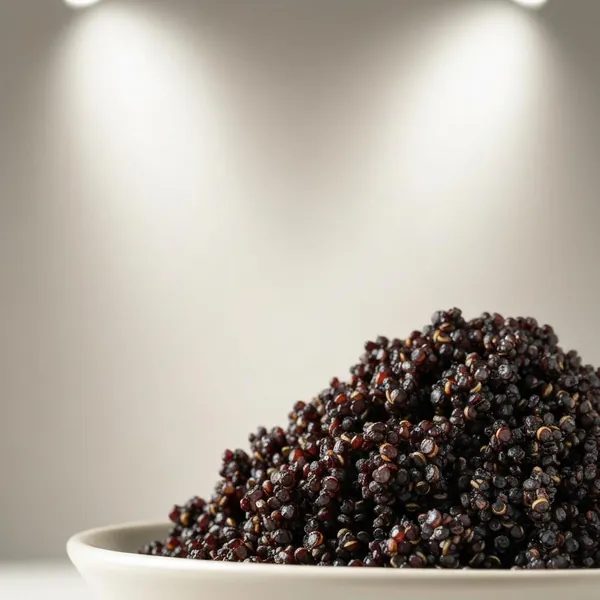
Low FODMAP: Likely yes at 1 cup (not officially tested) White quinoa is the most common variety. It has a fluffy texture when cooked and a mild flavor. It cooks fastest (about 12-15 minutes) and has the softest texture.
Best for: All-purpose use, salads, side dishes, bowls
Red Quinoa
Low FODMAP: Yes at 1 cup (192g) Red quinoa retains its shape better after cooking and has a slightly nuttier, earthier flavor than white quinoa. It takes a bit longer to cook (15-20 minutes).
Best for: Salads where you want distinct grains, grain bowls, stuffing
Black Quinoa
Low FODMAP: Yes at 1 cup (192g) Black quinoa has the most robust, earthy flavor and maintains a firmer texture after cooking. It takes the longest to cook (20+ minutes).
Best for: Salads, grain bowls, adding visual contrast to dishes
Tri-Color Quinoa
Low FODMAP: Likely yes at 1 cup This is a mix of white, red, and black quinoa. While not specifically tested, it should be low FODMAP at 1 cup since all three varieties are low FODMAP individually.
Best for: Visual appeal, balanced flavor and texture
Quinoa Flakes
Low FODMAP: Not tested Quinoa flakes are rolled quinoa similar to rolled oats. They haven’t been tested by Monash, so use cautiously. Start with small amounts (1/4 cup) if trying them.
Best for: Porridge, baking, coating for proteins
How to Cook Perfect Low FODMAP Quinoa
Basic Cooking Method
-
Rinse thoroughly - Quinoa has a natural coating called saponin that can taste bitter. Rinse under cold water for 30-60 seconds using a fine-mesh strainer.
-
Use proper ratio - 1 cup dry quinoa + 2 cups water or low FODMAP broth
-
Simmer - Bring to a boil, then reduce heat to low, cover, and simmer for 15-20 minutes (until water is absorbed and you see little “tails” spiraling from the grains)
-
Rest - Remove from heat and let sit covered for 5 minutes
-
Fluff - Uncover and fluff with a fork
Yield: 1 cup dry quinoa makes about 3 cups cooked
Tips for Better Flavor
- Toast dry quinoa in the pot for 3-5 minutes before adding water (enhances nutty flavor)
- Cook in low FODMAP broth instead of water
- Add bay leaf, garlic-infused oil, or herbs to the cooking water
- Season with salt during cooking
Make-Ahead and Storage
- Refrigerate: Cooked quinoa keeps for 5-7 days in an airtight container
- Freeze: Freeze in portion-sized containers or bags for up to 3 months
- Reheat: Microwave with a splash of water or steam on the stovetop
Batch cooking quinoa on meal prep day saves time during the week.
Tips for Eating Quinoa on a Low FODMAP Diet
1. Measure Your Portions
One cup of cooked quinoa is low FODMAP, but it’s easy to overeat when quinoa is mixed into salads or bowls. Use a measuring cup to portion out your serving.
2. Rinse Before Cooking
Always rinse quinoa to remove saponins, which can cause digestive upset in some people (separate from FODMAPs). This step also improves the taste.
3. Build Low FODMAP Quinoa Bowls
Quinoa bowls are perfect for low FODMAP meals:
Base: 1 cup cooked quinoa
Protein:
- Grilled chicken, salmon, shrimp, tofu, tempeh
- Hard-boiled eggs
- Canned tuna
Vegetables:
- Bell peppers, carrots, cucumber, zucchini, spinach, kale, bok choy, cherry tomatoes
Healthy fats:
- Avocado (1/8 whole)
- Olives
- Pumpkin seeds or sunflower seeds
- Drizzle of olive oil or garlic-infused oil
Dressing:
- Lemon-tahini dressing
- Balsamic vinaigrette (check for garlic/onion)
- Soy-ginger dressing
- Simple olive oil, lemon juice, salt, and pepper
4. Use as a Rice Substitute
Quinoa can replace rice in most recipes:
- Quinoa fried “rice”
- Quinoa sushi bowls
- Quinoa pilaf
- Quinoa in soups and stews
5. Try Breakfast Quinoa
Cooked quinoa makes a great hot cereal alternative to oatmeal:
- Cook or reheat quinoa in lactose-free milk
- Add cinnamon, vanilla extract
- Top with low FODMAP fruit (berries, banana)
- Drizzle with maple syrup
- Add a dollop of peanut butter
6. Make Quinoa Salads
Cold quinoa salads are perfect for meal prep:
- Mediterranean: quinoa, cucumber, tomato, feta (if tolerated), olives, lemon dressing
- Asian-inspired: quinoa, edamame (1/2 cup max), carrots, green onion tops, sesame-ginger dressing
- Southwestern: quinoa, bell peppers, corn, black beans (1/4 cup max), lime-cilantro dressing
7. Watch for FODMAP Stacking
While quinoa is low FODMAP, combining it with other FODMAP-containing foods can lead to stacking:
- Quinoa (GOS + fructans) + chickpeas (GOS + fructans) = FODMAP stacking
- Keep meals simple with quinoa as the primary grain
8. Add Flavor Without FODMAPs
Season quinoa with low FODMAP ingredients:
- Fresh herbs: cilantro, parsley, basil, chives
- Spices: cumin, paprika, turmeric, coriander
- Citrus: lemon or lime juice and zest
- Garlic-infused oil (not garlic cloves)
- Green onion tops only (no white parts)
- Low FODMAP broth
Low FODMAP Quinoa Recipe Ideas
Low FODMAP Quinoa Breakfast Bowl
- 1 cup cooked quinoa
- Lactose-free milk or almond milk
- Cinnamon
- 1/2 medium firm banana, sliced
- 1/4 cup blueberries
- 1 tablespoon peanut butter
- Maple syrup drizzle
Low FODMAP Mexican Quinoa Bowl
- 1 cup cooked quinoa
- Seasoned ground turkey or chicken
- 1/4 cup black beans
- Bell peppers and cherry tomatoes
- Lettuce
- Lactose-free sour cream or plain lactose-free yogurt
- Fresh lime juice and cilantro
Low FODMAP Mediterranean Quinoa Salad
- 1 cup cooked quinoa
- Cucumber, diced
- Cherry tomatoes, halved
- Kalamata olives
- Feta cheese (small amount if tolerated)
- Fresh parsley
- Lemon juice, olive oil, salt, pepper
Low FODMAP Quinoa Stir-Fry
- 1 cup cooked quinoa
- Scrambled eggs or tofu
- Bok choy, carrots, bell peppers
- Green onion tops
- Soy sauce or tamari
- Garlic-infused oil
- Ginger
- Sesame seeds
Low FODMAP Stuffed Bell Peppers
- Bell peppers, halved and seeded
- 1 cup cooked quinoa mixed with:
- Ground beef or turkey
- Diced tomatoes
- Spinach
- Herbs and spices
- Top with cheddar cheese (if tolerated)
- Bake until peppers are tender
Quinoa vs. Other Low FODMAP Grains
| Grain | FODMAP Status | Protein (per cup cooked) | Notes |
|---|---|---|---|
| Quinoa | Low (1 cup) | 8g | Complete protein, nutrient-dense |
| White rice | Low (unlimited) | 4g | Easiest to digest, lowest FODMAPs |
| Brown rice | Low (1 cup) | 5g | More fiber and nutrients than white rice |
| Oats | Low (1/2 cup uncooked) | 5g | Good for breakfast, moderate FODMAPs at larger servings |
| Gluten-free pasta | Low (1 cup) | 4-6g | Convenient, but less nutritious than whole grains |
Quinoa offers a good balance of nutrition and digestibility for a low FODMAP diet.
Potential Issues with Quinoa
1. Saponins
The natural coating on quinoa can cause digestive upset in sensitive individuals. Always rinse thoroughly before cooking to minimize this issue.
2. Fiber Content
While fiber is generally beneficial, some people with IBS (especially IBS-D) may find the 5 grams of fiber per cup too much during flares. Start with smaller portions (1/2 cup) if you’re sensitive to fiber.
3. Oxalates
Quinoa contains oxalates, which can contribute to kidney stones in susceptible individuals. If you have a history of kidney stones, moderate your quinoa intake and drink plenty of water.
4. Individual Tolerance
Even though quinoa is low FODMAP, some people may not tolerate it well due to:
- Sensitivity to saponins
- Fiber sensitivity
- Individual digestive issues
If you consistently have symptoms after eating quinoa within the safe serving size, it may not be suitable for you.
Nutritional Benefits of Quinoa
Beyond being low FODMAP, quinoa offers impressive health benefits:
Complete Protein
Contains all nine essential amino acids, making it one of the best plant-based protein sources. This is especially important for vegetarians and vegans managing IBS.
High in Fiber
The 5 grams of fiber per cup can help:
- Promote regular bowel movements (good for IBS-C)
- Feed beneficial gut bacteria
- Support cardiovascular health
- Stabilize blood sugar
Rich in Antioxidants
Quinoa contains flavonoids like quercetin and kaempferol, which have:
- Anti-inflammatory properties
- Antioxidant effects
- Potential protective benefits against chronic diseases
Gluten-Free
Safe for those with celiac disease or non-celiac gluten sensitivity alongside IBS.
Low Glycemic Index
Quinoa has a GI of 53, which means it doesn’t cause rapid blood sugar spikes, making it suitable for those managing diabetes or insulin resistance.
Quinoa for Different IBS Types
IBS-C (Constipation-Predominant)
Quinoa is excellent for IBS-C due to its fiber content, which adds bulk and promotes regularity without the harsh effects of insoluble fiber from wheat bran.
IBS-D (Diarrhea-Predominant)
Start with smaller portions (1/2 cup) during flares, as the fiber may be too much for sensitive digestion. Increase gradually as symptoms improve.
IBS-M (Mixed Type)
Quinoa is generally well-tolerated. Adjust portion size based on current symptoms.
Frequently Asked Questions
Can I eat quinoa during the elimination phase?
Yes, 1 cup of cooked quinoa is safe during the strict elimination phase. It’s a reliable low FODMAP grain option.
Is quinoa flour low FODMAP?
Quinoa flour hasn’t been officially tested by Monash. Since it’s more concentrated than cooked quinoa, start with small amounts (2-3 tablespoons) in baking and monitor tolerance.
Can I eat quinoa for breakfast?
Absolutely! Quinoa makes a delicious hot breakfast cereal. Cook it in lactose-free milk with cinnamon, vanilla, and low FODMAP fruit.
Is quinoa easier to digest than rice?
This varies by individual. Rice (especially white rice) is generally gentler and lower in fiber, making it easier to digest for most people. Quinoa has more fiber and protein, which some people find more satisfying but potentially harder to digest.
Why does quinoa sometimes upset my stomach even though it’s low FODMAP?
Possible reasons:
- Saponins weren’t rinsed off thoroughly
- The fiber content is too high for your current tolerance
- You exceeded the 1 cup serving size
- FODMAP stacking with other foods
- Individual sensitivity unrelated to FODMAPs
Can I use quinoa if I have SIBO?
Quinoa is generally well-tolerated by those with SIBO, but some practitioners recommend limiting grains during active SIBO treatment. Work with your healthcare provider on the best approach.
Is sprouted quinoa easier to digest?
Sprouting may reduce some of the naturally occurring antinutrients and make quinoa slightly easier to digest, but it hasn’t been specifically tested for FODMAP content. Regular rinsed quinoa should be fine for most people.
The Bottom Line
Quinoa is an excellent low FODMAP grain alternative that provides complete protein, fiber, and numerous nutrients while remaining gentle on the digestive system at servings of 1 cup cooked or less.
It’s more nutritious than white rice and well-tolerated by most people with IBS, making it a valuable addition to a low FODMAP diet. Always rinse before cooking, measure your portions, and combine with low FODMAP vegetables and proteins for balanced, satisfying meals.
Whether you’re making breakfast bowls, salads, or using it as a rice substitute, quinoa is a versatile, nutrient-dense option that supports both digestive health and overall nutrition.
Frequently Asked Questions
Is quinoa low FODMAP?
Yes, quinoa is low FODMAP at 1 cup (192g) cooked. At 2¼ cups, it becomes moderate FODMAP due to increased GOS and fructans.
How much quinoa can I eat on a low FODMAP diet?
You can safely eat up to 1 cup (192g) of cooked quinoa per serving. This applies to white, red, and black quinoa varieties.
What FODMAPs does quinoa contain?
Quinoa contains small amounts of GOS (galacto-oligosaccharides) and fructans, but these remain at low levels in servings of 1 cup or less.
Is quinoa better than rice for IBS?
Both are low FODMAP and well-tolerated. Quinoa has more protein and fiber, while rice is gentler on sensitive digestion. Choose based on your individual tolerance and nutritional needs.
Can I eat quinoa every day on a low FODMAP diet?
Yes, 1 cup of cooked quinoa daily is safe and provides excellent nutrition. It's a great alternative to other grains for variety.