Is Butter Low FODMAP?
Learn whether butter is safe on a low FODMAP diet, including safe serving sizes, why butter is low in lactose, and tips for using butter in your cooking.
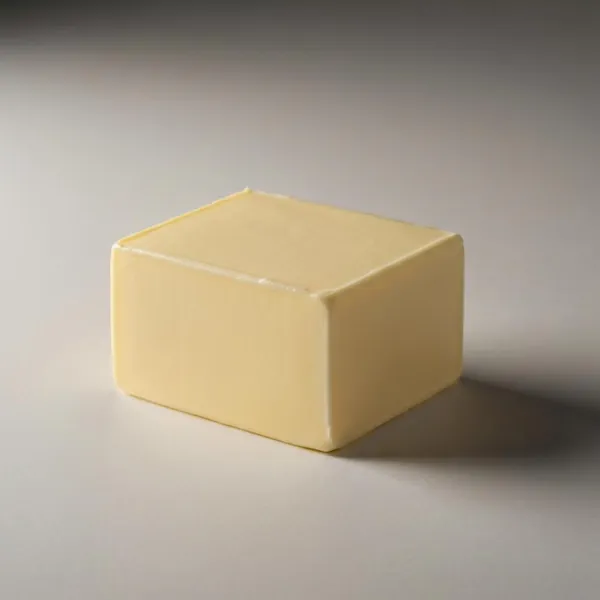
Butter is LOW FODMAP
Reference portion: 20g (1 tablespoon)
Serving Information
| ✓ Low FODMAP reference portion | 20g (1 tablespoon) |
|---|---|
| ✗ High FODMAP at | 143g (7½ tablespoons) |
| FODMAP Types | |
Is Butter Low FODMAP?
Butter is low FODMAP. At a serving of 1 tablespoon (20g), butter is safe for most people following a low FODMAP diet. Even at larger servings, butter remains low FODMAP—it doesn’t become moderate FODMAP until about 7½ tablespoons (143g), an amount rarely consumed in a single sitting.
This makes butter an excellent choice for cooking, baking, and spreading on low FODMAP toast or bread.
Safe Serving Size
| Serving | FODMAP Level | Common Use |
|---|---|---|
| 1 tablespoon (20g) | Low | Safe for most uses |
| 7½ tablespoons (143g) | Moderate | Unusually large amount |
According to Monash University, the safe serving size for butter is 1 tablespoon (20g), which is a typical amount used for cooking or spreading. This serving contains minimal lactose and is well-tolerated by people with IBS.
Note: While butter is low FODMAP even at larger servings, it is high in fat. Excess dietary fat can affect gut motility and may be an additional symptom trigger for some people with IBS, independent of FODMAPs.
Why Is Butter Low in FODMAPs?
Butter is made by churning cream until the fat separates from the liquid. This process creates two products:
- Butter: The solid fat portion (what we eat)
- Buttermilk: The liquid portion (which contains most of the lactose)
Because lactose is a water-soluble sugar, it stays in the liquid buttermilk rather than in the fatty butter. As a result, butter contains only trace amounts of lactose—typically less than 0.1g per tablespoon.
This is why butter is much better tolerated than milk, even though both come from dairy:
- Milk (1 cup): ~12g lactose - High FODMAP
- Butter (1 tablespoon): <0.1g lactose - Low FODMAP
Butter vs. Margarine
While butter is low FODMAP, margarine and butter substitutes vary:
- Butter: Low FODMAP (dairy-based)
- Margarine: Often low FODMAP, but check ingredients for high FODMAP additives
- Plant-based butter spreads: Generally low FODMAP; verify ingredients
- Light or reduced-fat spreads: May contain added milk solids; check labels
Types of Butter on a Low FODMAP Diet
Low FODMAP Butter Options
-
Regular salted butter - Low FODMAP
- Safe in typical serving sizes
- Most commonly used for cooking and spreading
-
Unsalted butter - Low FODMAP
- Ideal for baking where you control salt levels
- Also called “sweet butter”
-
European-style butter - Low FODMAP
- Higher fat content (82-86% vs. 80%)
- Richer flavor; still low FODMAP
-
Clarified butter - Low FODMAP
- Milk solids are completely removed
- Even lower in lactose than regular butter
- Higher smoke point for cooking
-
Ghee - Low FODMAP
- Similar to clarified butter; cooked longer
- Nutty flavor; all milk solids removed
- Virtually lactose-free
-
Cultured butter - Low FODMAP
- Cream is fermented before churning
- Tangy flavor; still low FODMAP
Butter Products to Check Carefully
-
Flavored butters - Check ingredients
- Garlic butter: High FODMAP (contains garlic)
- Herb butter: Usually safe if using low FODMAP herbs
- Honey butter: Moderate to high FODMAP (honey)
-
Light or reduced-fat butter - May contain added milk
- Check labels for milk solids or milk powder
- Regular butter is a safer choice
-
Butter blends - Check ingredients
- Some contain high FODMAP oils or additives
Health Considerations
Nutritional Profile
Butter is:
- High in fat: 11g per tablespoon
- High in calories: 100 calories per tablespoon
- High in saturated fat: 7g per tablespoon
- Contains vitamins: A, D, E, and K (fat-soluble vitamins)
Fat and IBS Symptoms
While butter is low FODMAP, it’s important to note that high fat intake can trigger IBS symptoms in some people, even if the food is low FODMAP. Fat can:
- Slow digestion
- Stimulate gut contractions
- Trigger diarrhea in people with IBS-D
- Cause bloating or discomfort
If you find that fatty foods trigger symptoms, moderate your butter intake even though it’s low FODMAP.
Tips for Using Butter on Low FODMAP
- Stick to typical portions - 1 tablespoon is plenty for most uses
- Choose ghee or clarified butter - If you’re highly lactose-sensitive, these have even less lactose
- Avoid garlic butter - Garlic is high FODMAP; make herb butter with chives or parsley instead
- Watch your fat intake - Even though butter is low FODMAP, excess fat may trigger symptoms
- Use in cooking and baking - Butter works well for sautéing, roasting, and baking
- Read labels on flavored varieties - Check for high FODMAP ingredients
Cooking with Butter on a Low FODMAP Diet
Butter is versatile and adds rich flavor to many dishes:
Cooking Applications
Sautéing and pan-frying
- Cook vegetables, eggs, or proteins
- Use medium heat to prevent burning
- Consider clarified butter or ghee for higher heat
Roasting
- Toss vegetables with melted butter before roasting
- Brush over chicken or fish
Baking
- Essential for cookies, cakes, and pastries
- Creaming butter with sugar creates light, fluffy textures
- Use unsalted butter for precise control over salt content
Finishing
- Stir into cooked vegetables for richness
- Melt over steak or fish
- Toss with gluten-free pasta
Low FODMAP Butter Recipes
Herb Butter
- Mix softened butter with fresh parsley, chives, or basil
- Avoid garlic and onion
- Great on grilled meats or vegetables
Lemon Butter
- Combine butter with lemon zest and juice
- Perfect for fish or seafood
Maple Butter
- Mix softened butter with pure maple syrup (¼ cup max)
- Delicious on pancakes or sweet potatoes
Low FODMAP Butter Alternatives
If you prefer to avoid dairy or want alternatives:
- Ghee - Clarified butter with no lactose; dairy-based
- Coconut oil - Dairy-free; solid at room temperature
- Olive oil - Heart-healthy; good for cooking
- Avocado oil - High smoke point; neutral flavor
- Plant-based butter - Check ingredients; many are low FODMAP
- Nut butters - Almond or peanut butter (in low FODMAP portions)
When to Choose Alternatives
Consider butter alternatives if:
- You have a dairy allergy (not just lactose intolerance)
- You’re vegan or avoiding animal products
- You want to reduce saturated fat
- Fat triggers your IBS symptoms
Common Questions About Butter and FODMAPs
Is butter safe for lactose intolerance?
Yes, for most people. Butter contains very little lactose. People with severe lactose intolerance may do even better with ghee or clarified butter.
Does the fat in butter cause IBS symptoms?
It can. While butter is low FODMAP, high-fat foods may trigger symptoms in some people with IBS, particularly those with IBS-D. This is separate from FODMAPs.
Can I use butter during the elimination phase?
Yes. Butter is low FODMAP and safe during all phases of the low FODMAP diet.
Is cultured or fermented butter different?
Cultured butter is still low FODMAP. The fermentation affects flavor, not FODMAP content.
What’s the difference between butter and margarine on a low FODMAP diet?
Butter is naturally low FODMAP. Margarine is often low FODMAP too, but check labels for high FODMAP additives like inulin or chicory root fiber.
Is organic or grass-fed butter better for IBS?
From a FODMAP perspective, there’s no difference. All butter is low FODMAP regardless of organic or grass-fed status. However, grass-fed butter may have a better fatty acid profile.
Clarified Butter and Ghee: Even Lower Lactose
If you want to minimize lactose even further:
Clarified Butter
- Butter that’s been melted and had the milk solids removed
- Crystal clear golden liquid
- Higher smoke point (450°F vs. 350°F for regular butter)
- Virtually lactose-free
Ghee
- Butter that’s been cooked longer than clarified butter
- Milk solids are removed after browning
- Nutty, caramel-like flavor
- Common in Indian and South Asian cooking
- Shelf-stable; doesn’t require refrigeration
Both are excellent for people who are very sensitive to lactose or who want a butter with a higher smoke point for high-heat cooking.
The Bottom Line
Butter is low FODMAP and safe to enjoy on a low FODMAP diet at typical serving sizes of 1 tablespoon (20g). Thanks to the butter-making process that removes most of the lactose, butter contains only trace amounts of this FODMAP and is well-tolerated by most people with IBS.
Use butter freely in your cooking, baking, and as a spread, keeping in mind that while it’s low FODMAP, it is high in fat. If excess fat triggers your symptoms, use butter in moderation. For those who are highly lactose-sensitive or want even less lactose, ghee and clarified butter are excellent alternatives with virtually no lactose at all.
Frequently Asked Questions
Is butter low FODMAP?
Yes, butter is low FODMAP. A typical serving of 1 tablespoon (20g) is safe for most people following a low FODMAP diet. Butter contains very little lactose because most of the milk solids are removed during the butter-making process.
What is the safe serving size for butter?
The safe serving size for butter is 1 tablespoon (20g), which is low FODMAP. Butter remains low FODMAP up to about 7½ tablespoons (143g), but that much butter would be high in fat and rarely consumed in one sitting.
Why is butter low in FODMAPs?
Butter is low in FODMAPs because it's primarily fat. During butter-making, the milk is churned to separate the fat from the liquid (buttermilk). Most of the lactose stays in the buttermilk and is removed, leaving only trace amounts in the butter.
Can I use clarified butter or ghee on a low FODMAP diet?
Yes, both clarified butter and ghee are low FODMAP and even lower in lactose than regular butter because all the milk solids are removed. They're excellent choices for people who are highly lactose-sensitive.