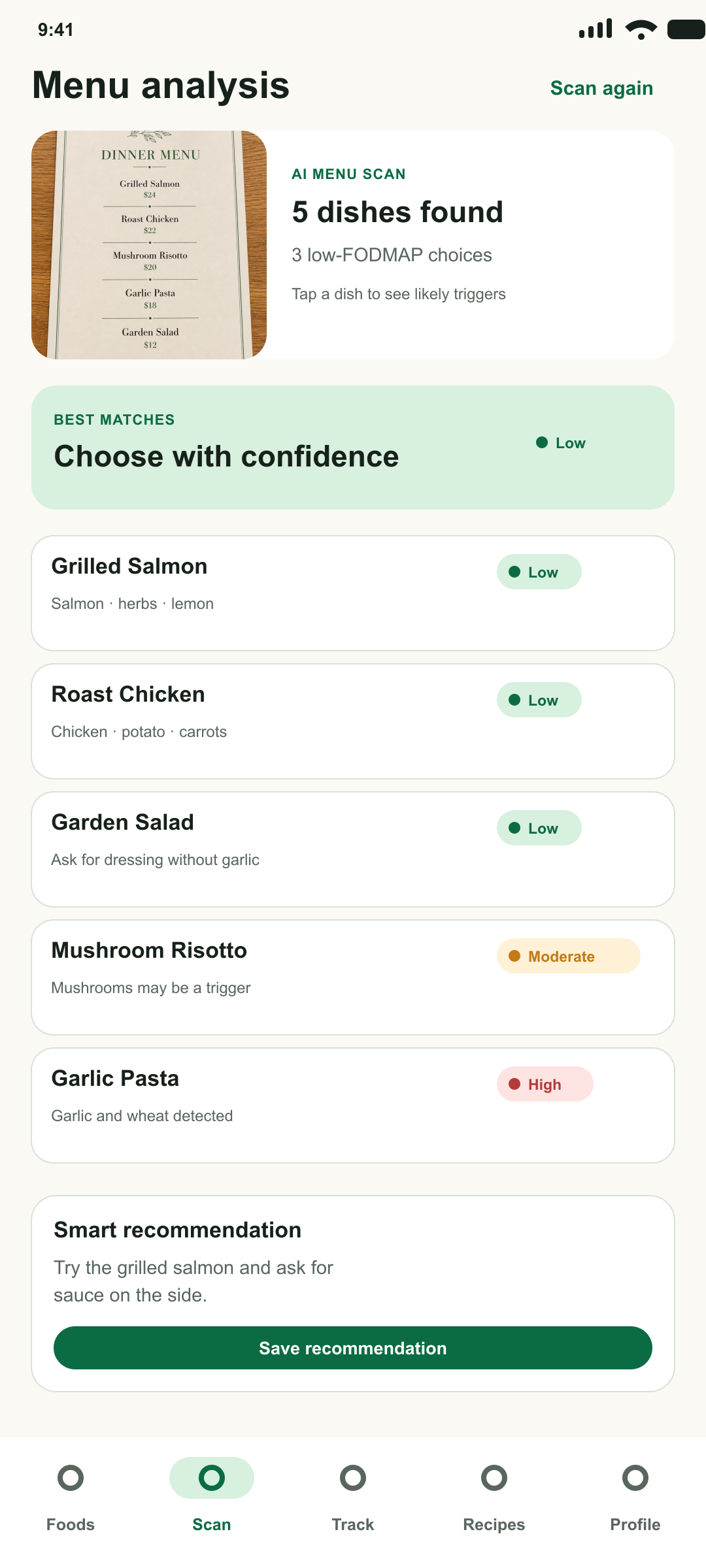
Is Pasta Low FODMAP? Your Complete Guide to Low FODMAP Pasta
Discover which low FODMAP pasta options are safe for IBS, including gluten free pasta FODMAP ratings, safe serving sizes, brand recommendations, and recipe ideas.
Pasta Low FODMAP? Your Complete Guide to Low FODMAP Pasta is HIGH FODMAP
Reference portion: 1/2 cup (44g) cooked wheat pasta
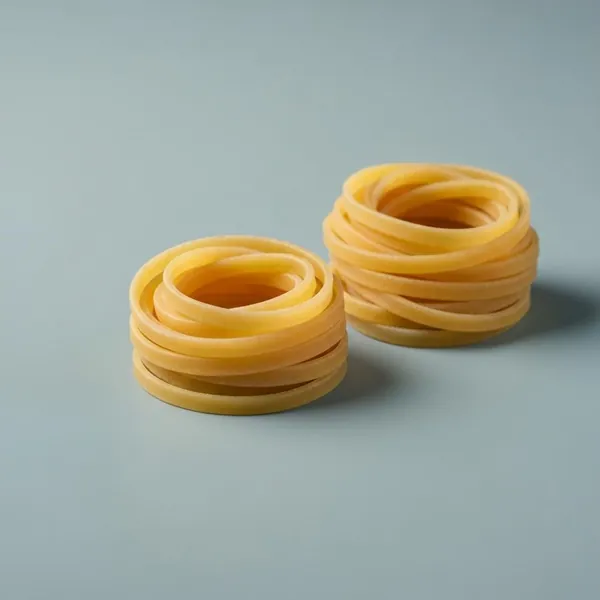
Serving Information
| ✓ Low FODMAP reference portion | 1/2 cup (44g) cooked wheat pasta |
|---|---|
| ✗ High FODMAP at | 1 cup (155g) or more cooked wheat pasta |
| FODMAP Types |
|
Is Pasta Low FODMAP?
If you’re searching for low FODMAP pasta options, the short answer is: regular wheat pasta is HIGH FODMAP, but gluten free pasta is low FODMAP and safe for most people with IBS. At a typical serving of 1 cup (155g) cooked, wheat pasta contains high levels of fructans that can trigger IBS symptoms. Even at a reduced serving of 1/2 cup (88g), wheat pasta is considered moderate FODMAP and may still cause issues for sensitive individuals.
However, gluten-free pasta is LOW FODMAP. Pasta made from rice, corn, quinoa, or other gluten-free grains is low FODMAP at servings up to 1 cup (145g) cooked, making it a safe and satisfying alternative.
For most people following a low FODMAP diet, switching to low FODMAP pasta is the best way to enjoy pasta dishes without triggering symptoms. In this guide, we cover everything you need to know about choosing, cooking, and enjoying pasta on the low FODMAP diet.
Safe Serving Size
| Type of Pasta | Serving (Cooked) | FODMAP Level |
|---|---|---|
| Wheat pasta (durum) | 1 cup (155g) | High (Fructans) |
| Wheat pasta | 1/2 cup (88g) | Moderate (Fructans) |
| Wheat pasta | 1/4 cup (44g) | Low |
| Gluten-free pasta (rice, corn, quinoa) | 1 cup (145g) | Low |
| Gluten-free pasta | Up to 220g | Low |
According to Monash University:
- Wheat pasta (durum wheat, cooked) is HIGH FODMAP at 1 cup, moderate at 1/2 cup, and low only at 1/4 cup (which is an impractically small serving)
- Gluten-free pasta is LOW FODMAP at 1 cup cooked and remains low at servings up to 220g
The dramatic difference in FODMAP content makes gluten-free pasta the clear winner for anyone with IBS.
Why Is Wheat Pasta High FODMAP?
Wheat pasta is made from durum wheat flour, which is naturally high in fructans. Fructans are chains of fructose molecules (oligosaccharides) that the small intestine cannot fully digest.
When fructans reach the colon, gut bacteria ferment them, producing:
- Gas and bloating
- Abdominal pain and cramping
- Diarrhea or constipation
- General digestive discomfort
Unlike sourdough bread, where long fermentation breaks down fructans, pasta dough undergoes minimal fermentation, so the fructans remain intact. This is why pasta is high FODMAP while properly fermented sourdough can be low FODMAP.
The problem with typical servings: A standard pasta serving is 1-2 cups cooked, but at 1 cup, wheat pasta delivers a high dose of fructans that will trigger symptoms in most people with IBS.
Low FODMAP Pasta Options
Rice Pasta
Low FODMAP: Yes, 1 cup (145g) cooked Made from white or brown rice flour, rice pasta is the most common gluten-free option. It has a mild flavor and texture similar to wheat pasta.
Texture: Can get mushy if overcooked Best for: All pasta dishes, Asian noodles Tip: Rinse with cold water after cooking to prevent stickiness
Corn Pasta
Low FODMAP: Yes, 1 cup cooked Made from corn flour, this pasta has a slightly sweet flavor and golden color. It holds its shape well and doesn’t get mushy as easily as rice pasta.
Texture: Firm, holds up well to cooking Best for: Pasta salads, baked dishes, hearty sauces Tip: Great for mac and cheese
Quinoa Pasta
Low FODMAP: Yes, 1 cup cooked Made from quinoa flour, this pasta has a slightly nutty flavor and provides more protein than rice or corn pasta (about 6g per serving).
Texture: Firm, al dente texture Best for: Cold pasta salads, protein-focused meals Tip: Higher in protein and nutrients than other gluten-free options
Rice and Corn Blend Pasta
Low FODMAP: Yes, 1 cup cooked Many gluten-free pastas combine rice and corn flours for better texture and flavor. These often provide the closest match to wheat pasta.
Texture: Balanced, less likely to get mushy Best for: All-purpose pasta dishes Popular brands: Barilla Gluten Free, Jovial, Tinkyada
Buckwheat Pasta (Soba Noodles)
Low FODMAP: Yes, at 1 cup cooked (check ingredients) Despite its name, buckwheat is gluten-free and low FODMAP. However, many soba noodles are made with a wheat-buckwheat blend, so check the label.
100% buckwheat soba: Low FODMAP Wheat-buckwheat blend: High FODMAP (avoid)
Texture: Earthy, slightly nutty Best for: Asian-style dishes, cold noodle salads
Other Gluten-Free Options
Low FODMAP (check ingredients):
- Chickpea pasta: HIGH FODMAP - avoid during elimination
- Lentil pasta: HIGH FODMAP - avoid during elimination
- Cassava pasta: Not tested, but cassava is low FODMAP
- Konjac noodles (shirataki): Very low calorie, low FODMAP
Types of Pasta to Avoid
Wheat Pasta (Regular, Whole Wheat, White)
High FODMAP: Fructans All wheat-based pasta is high FODMAP at typical servings, including:
- Regular white pasta
- Whole wheat pasta
- Semolina pasta
- Durum wheat pasta
Spelt Pasta
High FODMAP: Fructans While spelt sourdough bread can be low FODMAP (due to fermentation), spelt pasta is high FODMAP like wheat pasta.
Chickpea/Lentil Pasta
High FODMAP: GOS, fructans Trendy high-protein pastas made from chickpeas or lentils are high FODMAP. Avoid during the elimination phase.
Konjac/Shirataki Noodles with High FODMAP Ingredients
Pure konjac noodles are low FODMAP, but some products add high FODMAP ingredients. Always check the label.
Tips for Eating Pasta on a Low FODMAP Diet
1. Choose the Right Gluten-Free Pasta
Experiment with different brands and types to find your favorite:
- Barilla Gluten Free - Rice and corn blend, great texture
- Jovial - Brown rice pasta, firm texture
- Tinkyada - Brown rice pasta, less likely to get mushy
- Explore Cuisine - Various gluten-free options (avoid chickpea/lentil)
- Ancient Harvest - Quinoa pasta, high protein
Read labels to ensure no high FODMAP ingredients (inulin, onion/garlic powder, chicory root).
2. Cook Gluten-Free Pasta Properly
Gluten-free pasta can get mushy if overcooked:
- Use plenty of boiling, salted water
- Stir frequently to prevent sticking
- Test for doneness 1-2 minutes before package directions
- Drain immediately when al dente
- Rinse with cold water if making pasta salad (stops cooking)
- Toss with a bit of oil if not serving immediately
3. Watch Your Portion Size
Even though gluten-free pasta is low FODMAP at 1 cup, be mindful:
- Measure your pasta after cooking
- Don’t eat 2-3 cups in one sitting (may cause issues even though it’s low FODMAP)
- Pair with vegetables and protein to make the meal more balanced
4. Build Low FODMAP Pasta Sauces
Many classic pasta sauces contain high FODMAP ingredients. Make low FODMAP versions:
Low FODMAP Tomato Sauce:
- Canned crushed tomatoes (no garlic/onion)
- Garlic-infused olive oil
- Fresh basil, oregano
- Salt, pepper, red pepper flakes
- Simmer 20-30 minutes
Low FODMAP Pesto:
- Fresh basil
- Pine nuts (1 tablespoon max) or walnuts
- Parmesan cheese
- Garlic-infused oil
- Lemon juice, salt
Low FODMAP Cream Sauce:
- Lactose-free cream or coconut cream
- Parmesan cheese
- Garlic-infused oil
- Butter (low FODMAP in small amounts)
- Fresh herbs
- White wine (optional, if tolerated)
Low FODMAP Olive Oil & Herb:
- Garlic-infused olive oil
- Fresh herbs (basil, parsley, chives)
- Cherry tomatoes
- Olives
- Parmesan
Avoid:
- Onion and garlic (use garlic-infused oil instead)
- Cream sauces with regular cream (use lactose-free)
- Store-bought sauces with high FODMAP ingredients
5. Add Low FODMAP Vegetables and Proteins
Make your pasta more nutritious and filling:
Low FODMAP vegetables:
- Zucchini, bell peppers, carrots, spinach, kale, tomatoes, eggplant, bok choy
Proteins:
Avoid high FODMAP additions:
- Mushrooms (except oyster mushrooms in small amounts)
- Onions and garlic (use garlic-infused oil)
- Peas (sugar snap peas and snow peas are okay in small amounts)
- Sun-dried tomatoes in oil with garlic
6. Be Cautious at Restaurants
Restaurant pasta is almost always wheat-based and loaded with garlic and onions:
- Ask if they have gluten-free pasta (many restaurants now offer it)
- Request simple preparations (olive oil, tomatoes, herbs)
- Avoid cream sauces (likely contain onion/garlic)
- Bring your own garlic-infused oil to add flavor
7. Try Vegetable “Noodles”
For even lower carb options, try spiralized vegetables:
- Zucchini noodles (zoodles): Low FODMAP
- Carrot noodles: Low FODMAP
- Cucumber noodles: Low FODMAP
These can replace or supplement gluten-free pasta for added nutrition and fewer calories.
Low FODMAP Pasta Sauce Pairing Guide
Matching the right sauce to the right pasta shape makes a big difference. Here are the best low FODMAP pairings:
| Pasta Shape | Best Sauce Type | Example Low FODMAP Sauce |
|---|---|---|
| Spaghetti/Linguine | Light oil or tomato-based | Garlic-infused oil with cherry tomatoes and basil |
| Penne/Rigatoni | Chunky sauces that fill the tubes | Roasted bell pepper and tomato sauce |
| Fusilli/Rotini | Thick, clinging sauces | Low FODMAP pesto with spinach |
| Shells/Elbows | Creamy cheese sauces | Lactose-free mac and cheese with butter |
| Farfalle | Light vegetable sauces | Sauteed zucchini with parmesan |
| Rice noodles | Asian-inspired sauces | Soy sauce, ginger, and sesame oil |
Golden rule for low FODMAP pasta sauces: Replace garlic and onion with garlic-infused olive oil. This gives you the flavor without the fructans. The fructans in garlic are water-soluble but not oil-soluble, so infusing oil extracts the flavor while leaving the FODMAPs behind.
Low FODMAP Pasta Recipe Ideas
Low FODMAP Spaghetti Marinara
- 1 cup cooked gluten-free spaghetti
- Low FODMAP marinara sauce
- Fresh basil
- Parmesan cheese
- Garlic-infused olive oil
Low FODMAP Pasta Primavera
- 1 cup cooked gluten-free pasta
- Sautéed zucchini, bell peppers, cherry tomatoes, spinach
- Garlic-infused olive oil
- Fresh herbs
- Parmesan
Low FODMAP Pesto Pasta
- 1 cup cooked gluten-free pasta
- Homemade low FODMAP pesto (no garlic)
- Cherry tomatoes
- Grilled chicken
- Pine nuts (1 tablespoon)
Low FODMAP Mac and Cheese
- 1 cup cooked gluten-free pasta (elbows or shells)
- Lactose-free milk and butter
- Cheddar cheese
- Parmesan
- Mustard powder
- Breadcrumbs (gluten-free)
Low FODMAP Pasta Salad
- 1 cup cooked gluten-free pasta
- Cucumber, cherry tomatoes, bell peppers, olives
- Feta or mozzarella cheese (if tolerated)
- Italian dressing (olive oil, vinegar, herbs)
- Fresh basil and parsley
Low FODMAP Asian Noodle Bowl
- 1 cup cooked rice noodles or buckwheat soba
- Bok choy, carrots, bell peppers
- Tofu or shrimp
- Soy sauce or tamari
- Garlic-infused oil, ginger
- Green onion tops
- Sesame seeds
Low FODMAP Carbonara
- 1 cup cooked gluten-free spaghetti
- Eggs and parmesan (no cream)
- Bacon or pancetta
- Black pepper
- Fresh parsley
Gluten-Free Pasta vs. Wheat Pasta: Nutrition
| Nutrient (per 1 cup cooked) | Wheat Pasta | Rice Pasta | Corn Pasta | Quinoa Pasta |
|---|---|---|---|---|
| Calories | 200 | 190 | 200 | 205 |
| Protein | 7g | 4g | 4g | 6g |
| Fiber | 2.5g | 2g | 2g | 3g |
| FODMAP Status | High | Low | Low | Low |
While wheat pasta has slightly more protein, the difference is minimal. Quinoa pasta offers more protein than rice or corn. All provide similar calories and can fit into a healthy diet.
The key: FODMAPs matter more for symptom management than minor nutritional differences. Choose gluten-free pasta to avoid symptoms.
Complete Low FODMAP Pasta Brand Guide
Choosing the right brand can make or break your low FODMAP pasta experience. Here’s a detailed comparison of popular brands:
| Brand | Ingredients | Texture | FODMAP Status | Best For |
|---|---|---|---|---|
| Barilla Gluten Free | Rice & corn flour | Closest to wheat pasta | Low FODMAP | Everyday meals |
| Jovial | Brown rice flour | Firm, holds shape well | Low FODMAP | Sauces that cling |
| Tinkyada | Brown rice flour | Sturdy, doesn’t get mushy | Low FODMAP | Baked pasta dishes |
| Ancient Harvest | Quinoa & corn flour | Firm, slightly nutty | Low FODMAP | Higher protein needs |
| Banza | Chickpea flour | Firm, high protein | HIGH FODMAP | Avoid |
| Tolerant | Red lentil flour | Firm, earthy flavor | HIGH FODMAP | Avoid |
| DeLallo GF | Corn & rice flour | Good al dente texture | Low FODMAP | Italian-style dishes |
Key label warnings: Avoid any pasta listing inulin, chicory root fiber, onion powder, garlic powder, or high FODMAP flours (chickpea, lentil, soy) in the ingredients.
Al Dente vs. Overcooked: Does It Matter for FODMAPs?
A common question about low FODMAP pasta is whether cooking time affects FODMAP levels. The answer is no — cooking pasta longer does not change its FODMAP content. However, cooking time does matter for other reasons:
- Al dente pasta has a lower glycemic index (GI), meaning it releases sugar into your bloodstream more slowly. This can be gentler on your digestive system and helps maintain steady energy levels.
- Overcooked pasta has a higher GI and breaks down faster in your stomach, which may contribute to bloating and discomfort even if the FODMAP levels are the same.
- For gluten-free pasta specifically, overcooking can turn it mushy and unpleasant. Always test gluten-free pasta 1-2 minutes before the suggested cooking time on the package.
Pro tip: Cook your low FODMAP pasta just until al dente for the best texture and the gentlest impact on your gut.
What About Reintroducing Wheat Pasta?
During the reintroduction phase of the low FODMAP diet, you can test your tolerance to fructans using wheat pasta:
- Start small: Try 1/4 to 1/2 cup cooked wheat pasta
- Eat it alone: Don’t combine with other FODMAP-containing foods
- Monitor symptoms: Track any reactions for 24-48 hours
- Gradually increase: If tolerated, try slightly larger portions
- Find your threshold: Determine your personal tolerance level
Some people find they can tolerate small amounts of wheat pasta occasionally (e.g., 1/2 cup once a week), while others need to avoid it entirely.
Frequently Asked Questions
Is fresh pasta different from dried pasta for FODMAPs?
No, both fresh and dried wheat pasta are high FODMAP due to fructans in the wheat flour. The form doesn’t change FODMAP content.
Can I make my own low FODMAP pasta?
Yes, you can make pasta using gluten-free flour blends (rice flour, tapioca starch, etc.) and eggs. However, the texture can be tricky. Pre-made gluten-free pasta is usually more convenient.
Does cooking pasta longer reduce FODMAPs?
No, cooking time doesn’t affect FODMAP content. Overcooked pasta may be slightly easier to digest but will still contain the same FODMAPs.
Is orzo low FODMAP?
No, orzo is wheat-based pasta shaped like rice. It’s high FODMAP. Use rice instead for a similar appearance.
Are rice noodles the same as rice pasta?
Yes, both are made from rice flour and are low FODMAP. “Rice noodles” typically refers to Asian-style noodles (vermicelli, pad thai noodles), while “rice pasta” refers to Italian-style shapes (spaghetti, penne).
Can I eat pasta every day on a low FODMAP diet?
You can eat gluten-free pasta daily as long as it fits your nutritional goals. However, vary your grains to ensure a balanced diet - include rice, quinoa, oats, and gluten-free bread for variety.
Why do I react to gluten-free pasta if it’s low FODMAP?
Possible reasons:
- The sauce or toppings contain high FODMAP ingredients
- You’re eating more than 1 cup
- You have a sensitivity to the specific grain (corn, rice)
- You’re reacting to additives or preservatives
- The pasta contains hidden high FODMAP ingredients (check label)
Is gluten-free pasta healthier than wheat pasta?
Not necessarily “healthier,” but it’s better for IBS symptom management. Wheat pasta has slightly more protein and fiber, but the difference is small. If you can’t tolerate wheat pasta due to FODMAPs, gluten-free is the healthier choice for you.
Can I eat pasta with cheese on a low FODMAP diet?
Yes, hard and aged cheeses like Parmesan, cheddar, and Swiss are naturally low in lactose and safe on the low FODMAP diet. Avoid soft, fresh cheeses like ricotta and cottage cheese in large amounts, as they contain more lactose. Use lactose-free options for cream-based sauces.
What can I use instead of garlic and onion in pasta sauce?
The best substitute is garlic-infused olive oil, which provides garlic flavor without the fructans. You can also use the green tops of spring onions (scallions), chives, asafoetida powder, and fresh herbs like basil, oregano, and parsley to build flavor in your low FODMAP pasta dishes.
The Bottom Line
Regular wheat pasta is high FODMAP and should be avoided during the low FODMAP elimination phase. At a typical 1-cup serving, wheat pasta contains high levels of fructans that trigger IBS symptoms in most sensitive individuals.
Fortunately, low FODMAP pasta options are widely available. Gluten free pasta made from rice, corn, or quinoa is low FODMAP at servings up to 1 cup cooked, providing a satisfying alternative that doesn’t compromise on taste or texture. Brands like Barilla Gluten Free, Jovial, and Tinkyada make it easy to find quality options at most grocery stores.
By switching to low FODMAP pasta and pairing it with safe sauces (using garlic-infused oil instead of garlic and onion), you can enjoy all your favorite pasta dishes without triggering digestive symptoms. Cook it al dente for the best texture and gentlest digestion, experiment with different brands, and explore the many gluten free pasta shapes available.
Pasta night is back on the menu — just make sure it’s the low FODMAP kind! For more grain options, check out our guides on rice, quinoa, oatmeal, and bread.
Frequently Asked Questions
Is pasta low FODMAP?
Regular wheat pasta is HIGH FODMAP at typical serving sizes. However, gluten-free pasta made from rice, corn, or quinoa is low FODMAP at 1 cup cooked. If eating wheat pasta, limit to 1/2 cup cooked and opt for gluten-free alternatives.
How much pasta can I eat on a low FODMAP diet?
Gluten-free pasta: 1 cup (145g) cooked is low FODMAP. Wheat pasta: only 1/2 cup (88g) cooked is moderate FODMAP, and 1 cup is high FODMAP due to fructans.
What type of pasta is low FODMAP?
Gluten-free pasta made from rice, corn, quinoa, or buckwheat is low FODMAP. Wheat, spelt, and regular durum wheat pasta are high FODMAP due to fructan content.
Can I ever eat regular pasta on a low FODMAP diet?
During the elimination phase, it's best to avoid wheat pasta or limit to very small amounts (1/2 cup cooked maximum). During reintroduction, you can test your tolerance to fructans using small portions of wheat pasta.
Is whole wheat pasta worse than white pasta for FODMAPs?
Both contain similar high levels of fructans. Whole wheat pasta has more fiber, which may make symptoms worse for some, but both are high FODMAP.
Is gluten free pasta low FODMAP?
Yes, most gluten free pasta made from rice, corn, quinoa, or buckwheat is low FODMAP at up to 1 cup (145g) cooked. Avoid chickpea and lentil pasta, which are high FODMAP due to GOS content.
Does cooking pasta al dente vs soft affect FODMAPs?
Cooking time does not change the FODMAP content. However, al dente pasta has a lower glycemic index, which means it's digested more slowly and may be gentler on a sensitive gut.
What brands of low FODMAP pasta are recommended?
Popular low FODMAP pasta brands include Barilla Gluten Free, Jovial, Tinkyada, and Ancient Harvest. Always check the label for hidden high FODMAP ingredients like inulin or chicory root fiber.