Is Bell Peppers Low FODMAP?
Discover which bell pepper colors are safe on a low FODMAP diet. Green peppers are low FODMAP, while red and yellow varieties differ in FODMAP levels.
Bell Peppers is LOW FODMAP
Reference portion: 1 cup green bell pepper (75g), ½ cup red bell pepper (43g)
Serving Information
| ✓ Low FODMAP reference portion | 1 cup green bell pepper (75g), ½ cup red bell pepper (43g) |
|---|---|
| ✗ High FODMAP at | 1 cup red, orange, or yellow bell peppers (75g) |
| FODMAP Types |
|
Are Bell Peppers Low FODMAP?
It depends on the color! Bell peppers have different FODMAP profiles based on their ripeness and color:
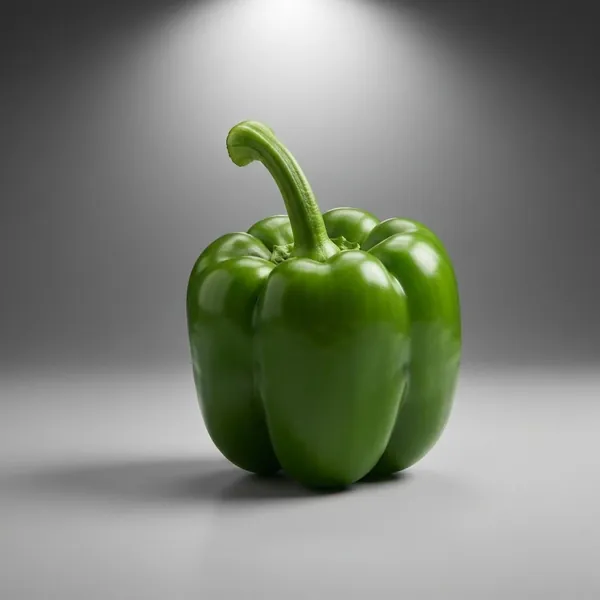
- Green bell peppers are low FODMAP at 1 cup (75g) - one of the most generous servings among vegetables
- Red bell peppers are high FODMAP at 1 cup but low at ½ cup (43g)
- Orange bell peppers are high FODMAP at 1 cup but moderate at ⅔ cup (51g)
- Yellow bell peppers are high FODMAP at 1 cup but moderate at ⅔ cup (47g)
- Roasted red peppers (jarred) are low FODMAP at ⅓ cup (50g)
The key difference is that green peppers are unripe, while red, orange, and yellow peppers are fully ripened, which increases their natural sugar (fructose) content.
Safe Serving Sizes by Color
Green Bell Peppers
| Serving | FODMAP Level | Weight |
|---|---|---|
| ¼ medium or 1 cup diced | Low | 75g |
| 3⅓ cups | Moderate | 250g |
| 4 cups | High | 310g |
Red Bell Peppers
| Serving | FODMAP Level | Weight |
|---|---|---|
| ½ cup | Low | 43g |
| ¾ cup | Moderate | 59g |
| ¼ medium or 1 cup | High | 75g |
Orange Bell Peppers
| Serving | FODMAP Level | Weight |
|---|---|---|
| ⅔ cup | Moderate | 51g |
| ¼ medium or 1 cup | High | 75g |
Yellow Bell Peppers
| Serving | FODMAP Level | Weight |
|---|---|---|
| ⅔ cup | Moderate | 47g |
| ¼ medium or 1 cup | High | 75g |
Roasted Red Bell Peppers (jarred, in brine, drained)
| Serving | FODMAP Level | Weight |
|---|---|---|
| ⅓ cup | Low | 50g |
| 1 cup | Moderate | 104g |
| 1⅓ cups | High | 140g |
According to Monash University, green bell peppers are by far the best choice for low FODMAP eating, with a very generous 1 cup serving. Interestingly, roasted red peppers from a jar are more FODMAP-friendly than fresh red peppers.
Why Do Bell Peppers Contain FODMAPs?
The difference in FODMAP content between green and colored bell peppers comes down to ripeness and fructose content:
- Green bell peppers are harvested before they ripen, so they have lower sugar content and remain low in fructose
- Red, orange, and yellow bell peppers are allowed to ripen fully on the plant, which increases their natural sugar content, particularly fructose
Fructose is a monosaccharide that can be difficult to absorb when present in excess of glucose. When fructose isn’t fully absorbed in the small intestine, it travels to the large intestine where gut bacteria ferment it, producing gas and drawing water into the bowel.
This fermentation can cause:
- Bloating and gas
- Abdominal pain
- Diarrhea
- General digestive discomfort
At the recommended low FODMAP servings (1 cup for green, ½ cup for red), the fructose content is manageable for most people with IBS.
Interestingly, roasted red peppers that have been processed and jarred appear to have lower FODMAP content than fresh red peppers, possibly due to processing methods or the draining of juices that contain concentrated sugars.
Tips for Eating Bell Peppers on Low FODMAP
-
Choose green when possible - If a recipe calls for bell peppers, opt for green to get the most generous serving size (1 cup vs ½ cup).
-
Mix colors strategically - Combine ½ cup red or yellow peppers with green peppers to add color without exceeding FODMAP limits. For example, use ¾ cup green + ¼ cup red for a colorful stir-fry.
-
Measure colored peppers carefully - The difference between low and high FODMAP for red peppers is just ½ cup, so accurate measuring is important.
-
Try roasted red peppers from a jar - If you love red peppers, the jarred roasted version gives you a more generous ⅓ cup serving that’s low FODMAP.
-
Cooking method doesn’t change FODMAPs - Raw, roasted, grilled, or sautéed peppers all have the same FODMAP content. Choose based on your digestive tolerance.
-
Remove skins if sensitive - Some people find pepper skins hard to digest. You can peel peppers after roasting or buy jarred peppers with skins already removed.
-
Watch restaurant fajitas - Fajitas often come loaded with sautéed peppers (usually a mix of colors). Ask for extra green peppers and light on red/yellow, or measure your portion.
-
Combine wisely - Pair peppers with other low FODMAP vegetables like carrots, bok choy, or green beans rather than stacking with other moderate FODMAP foods.
Low FODMAP Alternatives
If you need alternatives to bell peppers or want more variety:
- Zucchini - Low FODMAP at ⅔ cup (65g), mild flavor, good for stir-fries
- Bok choy - Low FODMAP at 1 cup (75g), adds color and crunch
- Carrots - Low FODMAP at unlimited amounts, sweet when cooked
- Green beans - Low FODMAP at 15 beans (75g), similar shape and texture
- Cucumber - Low FODMAP at ½ cup (75g), adds freshness to salads
- Tomatoes - Low FODMAP at ½ medium (65g), adds color and acidity
Recipes Using Bell Peppers
Looking for ways to enjoy bell peppers safely on your low FODMAP diet? Here are some ideas:
-
Stuffed Green Peppers - Halve 2 green bell peppers and remove seeds. Stuff with a mixture of cooked quinoa (⅓ cup per serving), ground beef or turkey, diced tomatoes (measured), herbs, and lactose-free cheese. Bake until peppers are tender.
-
Fajita Vegetables - Slice 1 cup green bell peppers and sauté with measured red or yellow peppers (½ cup total) and your choice of protein. Season with cumin, paprika, and lime juice. Serve in corn tortillas.
-
Low FODMAP Stir-Fry - Combine 1 cup sliced green bell peppers with carrots, bok choy, and protein of choice. Sauce with tamari, ginger, sesame oil, and a touch of brown sugar.
-
Roasted Red Pepper Hummus - Blend chickpeas (⅓ cup drained), ⅓ cup jarred roasted red peppers, tahini, lemon juice, garlic-infused olive oil, and cumin. A flavorful dip that’s low FODMAP.
-
Pepper and Egg Scramble - Dice ½ cup red bell peppers or 1 cup green peppers and sauté in olive oil. Add beaten eggs and scramble. Top with chives and lactose-free cheese.
-
Grilled Peppers - Cut green bell peppers into large strips, brush with olive oil, and grill until charred and tender. Season with salt, pepper, and fresh herbs.
-
Shakshuka - Sauté 1 cup diced green bell peppers with measured tomatoes (½ cup canned per serving), cumin, and paprika. Create wells in the sauce and crack eggs into them. Cover and cook until eggs are set.
-
Pepper Strips with Dip - Slice green bell peppers into strips and serve with low FODMAP hummus (2 tablespoons), guacamole (3 tablespoons), or a lactose-free ranch dip.
-
Rainbow Salad - Combine 1 cup diced green peppers with small amounts of red or yellow peppers (to stay within limits), cucumber, cherry tomatoes (5 max), and carrot ribbons. Dress with olive oil and lemon juice.
-
Stuffed Mini Peppers - Use small sweet peppers (similar FODMAP profile to bell peppers, so measure carefully). Stuff with lactose-free cream cheese mixed with herbs and chives.
-
Low FODMAP Gazpacho - Blend green bell peppers with measured tomatoes, cucumber, olive oil, red wine vinegar, and fresh herbs for a refreshing cold soup.
-
Chicken and Pepper Skewers - Thread chunks of chicken breast and green bell pepper squares onto skewers. Marinate in olive oil, lemon juice, and oregano. Grill until cooked through.
Buying and Storage Tips
-
Look for firm, glossy peppers - Avoid peppers with soft spots, wrinkles, or blemishes
-
Choose based on FODMAP needs:
- Green: Best value for low FODMAP eating, usually cheaper too
- Red, orange, yellow: More expensive but sweeter; measure carefully
- Jarred roasted red peppers: Convenient and more FODMAP-friendly than fresh red
-
Store properly:
- Keep whole peppers in the crisper drawer of your fridge
- They last about 1-2 weeks when whole
- Once cut, wrap tightly and use within 3-4 days
-
Freeze for later:
- Dice or slice peppers and freeze in measured portions (1 cup green or ½ cup red)
- Frozen peppers are perfect for cooking, though texture becomes softer
-
Roast your own:
- Roast peppers whole at 450°F until skin blisters and blackens
- Place in a covered bowl for 10 minutes, then peel off skin
- This doesn’t change FODMAP content but makes them easier to digest for some people
Color and Nutrition
While green peppers are best for FODMAPs, it’s worth noting the nutritional differences:
- Green peppers: High in vitamin C and K, lower in natural sugars
- Red peppers: Highest in vitamin C and beta-carotene (vitamin A), sweeter flavor
- Orange peppers: High in vitamin C and carotenoids, sweet and mild
- Yellow peppers: High in vitamin C, similar to orange in flavor
If you can tolerate ½ cup of red, orange, or yellow peppers, they do offer additional nutritional benefits. But green peppers are still highly nutritious and allow for much more generous portions.
Remember, bell peppers can absolutely be part of a low FODMAP diet - just choose your color wisely! Green bell peppers offer the most flexibility with a generous 1 cup serving, while red, orange, and yellow varieties require more careful measuring. Enjoy these colorful, crunchy vegetables in salads, stir-fries, and cooked dishes!
Frequently Asked Questions
Are bell peppers low FODMAP?
It depends on the color. Green bell peppers are low FODMAP at 1 cup (75g). Red, orange, and yellow peppers are high FODMAP at the same serving but low at smaller amounts (½ cup for red).
What is the safe serving size for bell peppers?
Green peppers: 1 cup (75g). Red peppers: ½ cup (43g). Orange and yellow peppers: ⅔ cup or less to stay low FODMAP.
Why are red bell peppers higher in FODMAPs than green?
Red, orange, and yellow bell peppers are riper than green peppers, so they contain more natural sugars (fructose). Green peppers are harvested earlier before sugar content increases.
Can I eat roasted red peppers on the low FODMAP diet?
Yes! Roasted red bell peppers from a jar are actually low FODMAP at ⅓ cup (50g), making them a better choice than fresh red peppers.