Is Broccoli Low FODMAP? Complete Guide to Broccoli FODMAP Levels
Is broccoli low FODMAP? Learn the difference between broccoli heads and stalks, safe serving sizes, cooking methods, and practical tips for enjoying broccoli on a low FODMAP diet.
Broccoli Low FODMAP? Complete Guide to Broccoli FODMAP Levels is LOW FODMAP
Reference portion: ¾ cup (75g) of heads only
Serving Information
| ✓ Low FODMAP reference portion | ¾ cup (75g) of heads only |
|---|---|
| ✗ High FODMAP at | 2¾ cups (279g) of heads |
| FODMAP Types |
|
Is Broccoli Low FODMAP?
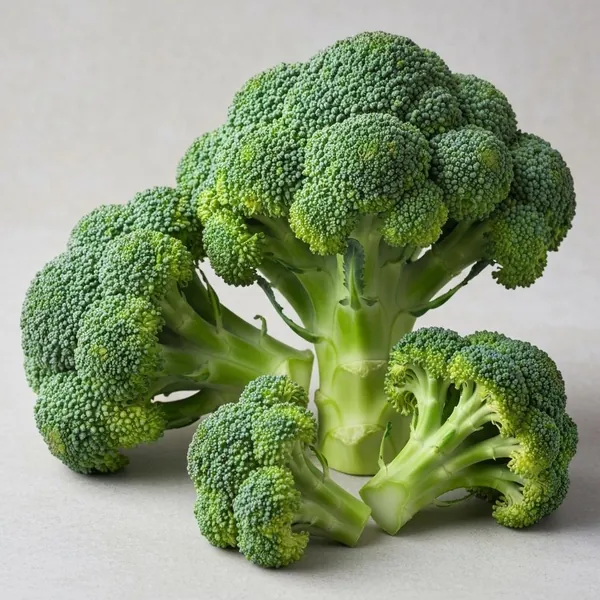
Broccoli heads (florets) are low FODMAP, making broccoli a vegetable you can enjoy on a low FODMAP diet when prepared correctly. At a serving of ¾ cup (75g) of broccoli heads only, it is safe for most people following a low FODMAP diet. The heads remain low FODMAP up to about 2 cups, becoming moderate at higher amounts.
However, broccoli stalks are high FODMAP even in small servings. The stalks contain significantly higher levels of fructose than the florets, making them problematic for people with IBS. During the elimination phase, it’s best to stick with the florets and discard or compost the stalks.
Understanding the broccoli FODMAP difference between heads and stalks is one of the most important distinctions in the low FODMAP diet. Many people assume all parts of a vegetable have the same FODMAP rating, but broccoli is a perfect example of why checking each part separately matters.
Safe Serving Size
The FODMAP content of broccoli varies dramatically depending on which part of the plant you eat. Here is a breakdown of the FODMAP levels for both broccoli heads and stalks according to Monash University testing.
Broccoli Heads (Florets)
| Serving | FODMAP Level | Weight | Notes |
|---|---|---|---|
| ¾ cup | Low | 75g | Safe for elimination phase |
| 2 cups | Moderate | 208g | May trigger mild symptoms |
| 2¾ cups | High | 279g | Likely to trigger symptoms |
Broccoli Stalks
| Serving | FODMAP Level | Weight | Notes |
|---|---|---|---|
| ⅓ cup | Low | 42g | Very small portion |
| ½ cup | Moderate | 57g | Risky during elimination |
| ¾ cup | High | 75g | Avoid during elimination |
According to Monash University, the safe low FODMAP serving size is ¾ cup (75g) of broccoli heads. The stalks should be limited to ⅓ cup (42g) or avoided entirely during the elimination phase.
Interestingly, you can eat multiple servings of broccoli heads throughout the day, as Monash notes that broccoli heads remain low in FODMAPs even in larger serving sizes (up to 500 grams have been tested). Just be mindful of overall vegetable intake and variety, and avoid stacking FODMAPs from multiple high FODMAP sources in a single meal.
Broccoli Heads vs. Stalks: A Detailed Comparison
One of the most frequently asked questions about broccoli FODMAP content is why the heads and stalks differ so much. Here is a detailed comparison to help you understand and make smart choices.
| Factor | Broccoli Heads (Florets) | Broccoli Stalks |
|---|---|---|
| FODMAP Rating | Low at ¾ cup (75g) | High at ¾ cup (75g) |
| Primary FODMAP | Fructose (low levels) | Fructose (high levels) |
| Safe Serving | ¾ cup (75g) | ⅓ cup (42g) |
| Texture | Soft, tender when cooked | Fibrous, chewy |
| Nutrient Density | Higher in vitamins C and K | Higher in fiber |
| Recommended During Elimination | Yes | No |
| FODMAP at Large Serving | Moderate at 2 cups | High at ¾ cup |
The difference comes down to how fructose is distributed within the plant. Broccoli stalks act as a storage reservoir for sugars, including fructose, which the plant uses for energy. The florets, being the reproductive part of the plant, have a different sugar profile with much lower fructose concentrations.
For practical purposes, when you buy broccoli, cut the florets away from the thick central stalk. You can use the very top portion of the stem (the thin branches just below the florets) as these tend to have FODMAP levels closer to the heads. The thick bottom portion of the stalk is the part to avoid.
Why Does Broccoli Contain FODMAPs?
Broccoli contains fructose, a monosaccharide that can be difficult to absorb when present in excess of glucose. The concentration of fructose varies significantly between different parts of the broccoli plant.
Broccoli stalks have a much higher concentration of fructose compared to the heads. This is why even small amounts of stalks (¾ cup) register as high FODMAP, while you can eat 2 cups of heads and only reach moderate FODMAP levels.
When fructose is not fully absorbed in the small intestine, it travels to the large intestine where gut bacteria ferment it. This fermentation process produces gas and can draw water into the bowel, causing symptoms like bloating, gas, abdominal pain, and diarrhea in people with IBS.
At smaller servings of broccoli heads (¾ cup), the amount of fructose is low enough that most people can tolerate it without symptoms. As the serving size of heads increases to 2+ cups, the fructose content rises, increasing the likelihood of symptoms.
It is worth noting that broccoli also contains raffinose, a complex sugar found in many cruciferous vegetables. While raffinose is not classified as a FODMAP, it can contribute to gas production because humans lack the enzyme needed to break it down. This means that even within safe FODMAP serving sizes, some people may experience mild gas from broccoli due to raffinose content.
Cooking Methods and Their Effect on Broccoli FODMAPs
A common question about broccoli FODMAP levels is whether cooking changes the FODMAP content. While cooking does not significantly reduce the fructose in broccoli, different preparation methods can affect digestibility and your overall experience. Here is how common cooking methods compare.
Raw Broccoli
| Factor | Details |
|---|---|
| FODMAP Change | None |
| Digestibility | Harder to digest |
| Nutrient Retention | Highest vitamin C |
| Best For | Salads, snacking with dips |
Eating raw broccoli florets is safe from a FODMAP perspective, but the tough cell walls in raw broccoli can make it harder to digest. Some people with IBS find that raw cruciferous vegetables cause more bloating and gas, even within safe FODMAP servings. If raw broccoli bothers you, try switching to a cooked preparation.
Steamed Broccoli
| Factor | Details |
|---|---|
| FODMAP Change | Minimal |
| Digestibility | Improved |
| Nutrient Retention | Good |
| Best For | Side dishes, meal prep |
Steaming is one of the best methods for preparing broccoli on a low FODMAP diet. It softens the cell walls, making the vegetable easier to digest while retaining most of its nutrients. Steam broccoli for 4-6 minutes until tender-crisp for the best results.
Roasted Broccoli
| Factor | Details |
|---|---|
| FODMAP Change | Minimal |
| Digestibility | Improved |
| Nutrient Retention | Moderate |
| Best For | Flavorful side dishes |
Roasting broccoli at high heat (400-425°F) caramelizes the edges and creates a nutty, slightly sweet flavor. This method is excellent for making broccoli more appealing and can improve digestibility. Toss florets with olive oil and roast for 20-25 minutes.
Sauteed or Stir-Fried Broccoli
| Factor | Details |
|---|---|
| FODMAP Change | Minimal |
| Digestibility | Improved |
| Nutrient Retention | Moderate |
| Best For | Quick meals, stir-fries |
Quick cooking over high heat preserves crunch while softening the broccoli enough to improve digestion. Use a low FODMAP oil like olive oil or sesame oil, and pair with other low FODMAP vegetables like carrots, bell peppers, or zucchini.
Boiled Broccoli
| Factor | Details |
|---|---|
| FODMAP Change | Some FODMAPs may leach into water |
| Digestibility | Most improved |
| Nutrient Retention | Lowest |
| Best For | Soups, purees |
Boiling broccoli in water may cause some fructose to leach out into the cooking water. If you discard the water, you may be removing a small amount of FODMAPs. However, boiling also causes the greatest loss of water-soluble vitamins. This method works well for soups and purees where easy digestibility is a priority.
Broccoli Compared to Other Cruciferous Vegetables
Broccoli belongs to the cruciferous vegetable family, which includes several other common vegetables. If you are following a low FODMAP diet, understanding how broccoli FODMAP levels compare to its relatives can help you plan varied, nutritious meals.
| Vegetable | Low FODMAP Serving | Primary FODMAPs | Notes |
|---|---|---|---|
| Broccoli heads | ¾ cup (75g) | Fructose | Heads only; stalks are high FODMAP |
| Cauliflower | ½ cup (65g) | Mannitol, Sorbitol | Smaller safe serving than broccoli |
| Brussels sprouts | 2 sprouts (40g) | Fructans, GOS | Very small safe portion |
| Cabbage (common) | ¾ cup (75g) | Fructans (moderate at higher servings) | Similar tolerance to broccoli |
| Kale | 1 cup (43g) | Fructans (in larger servings) | Low FODMAP in typical serving |
| Bok choy | 1 cup (75g) | Low across all FODMAPs | One of the safest cruciferous options |
As the table shows, broccoli heads are among the more FODMAP-friendly cruciferous vegetables. Bok choy is the safest option in this family, while Brussels sprouts have the most restrictive serving size. If you enjoy cruciferous vegetables and want to maximize variety, broccoli heads, cabbage, kale, and bok choy are your best options during the elimination phase.
Tips for Eating Broccoli on a Low FODMAP Diet
Here are practical tips to help you enjoy broccoli while keeping your FODMAP intake in check.
-
Choose florets over stalks - Cut broccoli into florets and remove most of the stalk. If you want to use some stalk, peel off the tough outer layer and use only a small amount of the tender inner core (keeping within the ⅓ cup limit).
-
Measure your portions - Use measuring cups to ensure you’re staying within the ¾ cup guideline, especially when starting the diet. Once you know what ¾ cup looks like, it becomes easier to eyeball.
-
Cook for easier digestion - While cooking doesn’t reduce FODMAP content, well-cooked broccoli is easier to digest than raw. Steaming is the gentlest method, followed by roasting and sauteing.
-
Don’t overdo it - Even though broccoli heads can be eaten in larger servings, eating too much in one sitting may cause gas and bloating simply due to the fiber and raffinose content, not the FODMAPs.
-
Pair wisely - Combine broccoli with low FODMAP proteins and grains rather than stacking multiple moderate or high FODMAP vegetables in one meal. Great pairings include potatoes, rice, chicken, or tofu.
-
Check restaurant dishes - Stir-fries and mixed vegetable dishes often include broccoli stalks. Don’t be afraid to pick them out or ask for florets only.
-
Freeze extras - Cut fresh broccoli into florets and freeze in ¾ cup portions for easy meal prep. Frozen broccoli has the same FODMAP content as fresh.
-
Try broccolini as an alternative - Broccolini (baby broccoli) is a different variety with thinner, more tender stalks. Monash University has tested broccolini and found it to be low FODMAP at ½ cup (45g). It is a nice option if you want both the stem and floret experience.
-
Be careful with broccoli-based products - Broccoli rice (riced broccoli) sold in stores may contain a mix of heads and stalks. Check the ingredients or make your own by pulsing florets in a food processor.
Low FODMAP Alternatives
If you find you’re sensitive to broccoli or want more vegetable variety, consider these low FODMAP alternatives that offer similar nutrition and versatility.
- Green beans - Low FODMAP at 15 beans (75g), with a similar bright green color and satisfying crunch. Great roasted or steamed as a side dish.
- Bok choy - Low FODMAP at 1 cup (75g), perfect for stir-fries where you might typically use broccoli. One of the safest cruciferous vegetables.
- Zucchini - Low FODMAP at ⅔ cup (65g), offers a mild flavor and can be roasted or sauteed. Extremely versatile.
- Spinach - Low FODMAP at 1½ cups (75g) raw, packed with nutrients and very versatile. Works well in salads, smoothies, or cooked dishes.
- Green bell pepper - Low FODMAP at 1 cup (75g), adds color and crunch to meals. Great in stir-fries and salads.
- Carrots - Low FODMAP at 1 small carrot (75g), can be roasted alongside or instead of broccoli. Naturally sweet and satisfying.
- Kale - Low FODMAP at 1 cup (43g), offers a hearty green option for salads, chips, or sauteed side dishes.
Low FODMAP Broccoli Recipes
Looking for ways to enjoy broccoli safely on your low FODMAP diet? Here are detailed recipe ideas that keep the broccoli FODMAP content in check.
Crispy Roasted Broccoli
Toss ¾ cup broccoli florets with 1 tablespoon olive oil, salt, and pepper. Spread on a baking sheet in a single layer and roast at 425°F for 20-25 minutes until the edges are crispy and slightly charred. Finish with a squeeze of lemon juice. This method brings out broccoli’s natural sweetness and makes it irresistible.
Low FODMAP Broccoli Stir-Fry
Saute measured broccoli florets with carrots, red bell pepper, and your choice of protein in a low FODMAP stir-fry sauce. Make the sauce with soy sauce or tamari, fresh ginger (which is low FODMAP), a touch of brown sugar, and sesame oil. Serve over steamed rice for a complete meal.
Broccoli and Potato Hash
Dice potatoes and cook in a skillet until golden. Add chopped broccoli florets and continue cooking until tender. Season with salt, pepper, and paprika. Top with a fried egg for a hearty breakfast or lunch. This combination is entirely low FODMAP when portions are measured.
Broccoli Rice Bowl
Add steamed broccoli florets to a bowl with white rice, grilled chicken, cucumber, shredded carrots, and a drizzle of sesame oil. Top with sesame seeds and a splash of soy sauce for a satisfying meal.
Broccoli and Cheese
Steam broccoli florets until just tender and top with lactose-free cheese or a small amount of aged cheddar (which is naturally low in lactose). You can also make a simple cheese sauce using lactose-free milk, a tablespoon of butter, and aged cheddar.
Low FODMAP Broccoli Salad
Combine raw or blanched broccoli florets with diced cucumber, cherry tomatoes (5 max), sunflower seeds, and a mayonnaise-based dressing. Add shredded carrots for extra color and nutrition. This makes a great meal prep side dish.
Broccoli Frittata
Add chopped broccoli florets to eggs with spinach, lactose-free cheese, and fresh herbs like chives (green parts only) for a protein-rich breakfast or lunch. Bake at 375°F until set for an easy, make-ahead meal.
Broccoli Soup
Saute broccoli florets in olive oil with the green parts of leeks (which are low FODMAP). Add low FODMAP chicken or vegetable stock and simmer until tender. Blend until smooth and season with salt, pepper, and a pinch of nutmeg. Stir in a splash of lactose-free cream for richness.
The Bottom Line
Broccoli is a nutritious and versatile vegetable that can absolutely be part of a low FODMAP diet when you follow a few simple rules. The key takeaway is that broccoli heads (florets) are low FODMAP at ¾ cup (75g), while broccoli stalks are high FODMAP and should be avoided or severely limited during the elimination phase.
Here is a quick summary of what you need to remember:
- Stick to broccoli heads (florets) and avoid the thick stalks
- The safe serving is ¾ cup (75g) of heads during the elimination phase
- Broccoli heads remain low FODMAP even in larger portions (up to 2 cups)
- Cooking does not change the FODMAP content, but it does improve digestibility
- Steaming, roasting, and sauteing are all good preparation methods
- Pair broccoli with other low FODMAP foods like potatoes, carrots, and spinach for balanced meals
- During the reintroduction phase, test your personal tolerance by gradually increasing serving sizes
Broccoli is rich in vitamin C, vitamin K, fiber, and various antioxidants. By choosing the florets and measuring your portions, you can enjoy all these nutritional benefits without triggering IBS symptoms. Don’t let the low FODMAP diet prevent you from eating this excellent vegetable.
Frequently Asked Questions
Is broccoli low FODMAP?
Broccoli heads are low FODMAP at ¾ cup (75g). However, broccoli stalks are high FODMAP even in small servings and should be avoided during the elimination phase.
What is the safe serving size for broccoli on a low FODMAP diet?
The safe low FODMAP serving is ¾ cup (75g) of broccoli heads only. Avoid the stalks, which are high in fructose.
Why are broccoli stalks high FODMAP but the heads are low?
Broccoli stalks contain higher concentrations of fructose compared to the florets (heads). Even a ¾ cup serving of stalks is high FODMAP, while you can eat up to 2 cups of heads and only reach moderate levels.
Can I eat broccoli every day on the low FODMAP diet?
Yes, as long as you stick to the ¾ cup serving of heads only and don't eat it multiple times in one day (to avoid FODMAP stacking).
Does cooking broccoli reduce its FODMAP content?
No, cooking does not significantly reduce the FODMAP content of broccoli. However, steaming, roasting, and sautéing can make broccoli easier to digest compared to eating it raw.
Is frozen broccoli low FODMAP?
Yes, frozen broccoli florets have the same FODMAP rating as fresh broccoli heads. The freezing process does not change the FODMAP content. Just make sure the package contains only florets and not a mix of stalks and heads.
How does broccoli compare to cauliflower for FODMAPs?
Broccoli heads are generally easier to tolerate than cauliflower. Cauliflower becomes moderate FODMAP at just 1 cup (100g) due to its mannitol and sorbitol content, while broccoli heads remain low FODMAP up to about 2 cups.