Is Soy Sauce Low FODMAP?
Discover if soy sauce is safe on a low FODMAP diet, including safe serving sizes, tamari vs. regular soy sauce, and tips for choosing the right variety.
Soy Sauce is LOW FODMAP
Reference portion: 2 tablespoons (42g)
Serving Information
| ✓ Low FODMAP reference portion | 2 tablespoons (42g) |
|---|---|
| ✗ High FODMAP at | None tested - remains low FODMAP |
| FODMAP Types | |
Is Soy Sauce Low FODMAP?
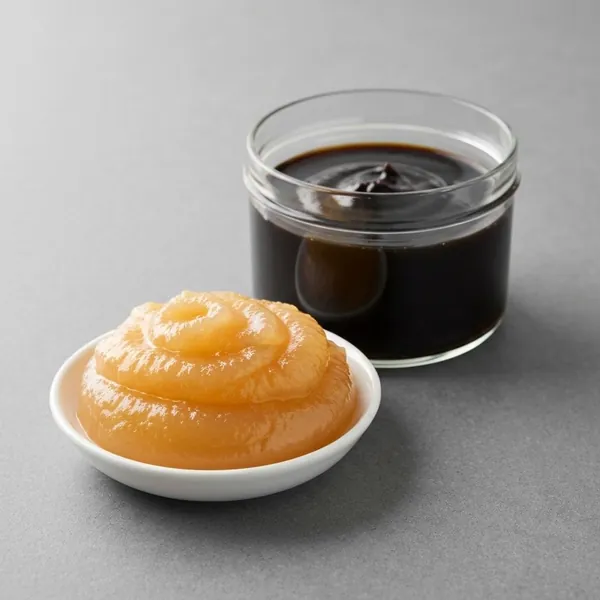
Yes, soy sauce is low FODMAP! At a serving of 2 tablespoons (42g), regular soy sauce contains no detectable FODMAPs and is safe for people following a low FODMAP diet. This might be surprising since soy sauce is made from wheat and soybeans, but the fermentation and brewing process breaks down the FODMAPs, making it gut-friendly.
Safe Serving Size
| Serving | FODMAP Level | Notes |
|---|---|---|
| 2 tablespoons (42g) | Low | No FODMAPs detected |
According to Monash University, regular soy sauce has been tested and found to be low FODMAP at 2 tablespoons. The fermentation process used in traditional soy sauce production breaks down oligosaccharides (GOS and fructans) that would normally be present in soybeans and wheat.
Important note: While soy sauce is low FODMAP, it may contain high FODMAP ingredients in some brands. Always check the label for added garlic or onion, which would make it unsuitable.
Why Is Soy Sauce Low FODMAP Despite Containing Wheat?
Soy sauce seems like it should be high FODMAP since it’s made from:
- Soybeans - Which contain oligosaccharides
- Wheat - Which contains fructans
However, traditional soy sauce is safe because:
Fermentation Breaks Down FODMAPs
- Bacteria and yeast used in fermentation consume FODMAPs
- The 6+ month fermentation period is long enough to significantly reduce oligosaccharides
- Wheat proteins are broken down by fermentation
- The final liquid contains minimal residual FODMAPs
Dilution Factor
- Soy sauce is highly concentrated flavor
- You use small amounts (1-2 tablespoons)
- The liquid is strained, leaving behind solid particles
Processing Removes Solids
- After fermentation, solids are filtered out
- The liquid portion has fewer FODMAPs than whole soybeans or wheat
This makes soy sauce a rare exception - a wheat-based product that’s low FODMAP.
Types of Soy Sauce
Different soy sauce varieties have different FODMAP considerations:
| Type | FODMAP Status | Notes |
|---|---|---|
| Regular soy sauce | Low FODMAP at 2 tbsp | Traditional fermented variety |
| Tamari | Low FODMAP at 2 tbsp | Wheat-free, gluten-free option |
| Light soy sauce | Low FODMAP (likely) | Thinner, saltier version |
| Dark soy sauce | Low FODMAP (likely) | Thicker, sweeter, aged longer |
| Low-sodium soy sauce | Low FODMAP at 2 tbsp | Reduced salt version |
| Gluten-free soy sauce | Low FODMAP at 2 tbsp | Tamari or tamari-style |
| Sweet soy sauce (kecap manis) | Low FODMAP at 1 tbsp | Contains added sugar, smaller serving |
Check labels for additives: Some soy sauces have added garlic, onion, or high FODMAP ingredients that would make them unsuitable.
Soy Sauce vs. Tamari
Both are low FODMAP, but they have some differences:
| Feature | Soy Sauce | Tamari |
|---|---|---|
| Main ingredient | Wheat + soybeans | Soybeans only (or mostly) |
| Gluten | Contains gluten | Usually gluten-free |
| Flavor | Sharper, more complex | Richer, mellower, slightly sweeter |
| Fermentation | 6+ months | Similar process |
| FODMAP | Low at 2 tablespoons | Low at 2 tablespoons |
| Use | All-purpose | All-purpose, celiac-safe |
For celiac disease or gluten sensitivity: Choose tamari, which is wheat-free and gluten-free. Always verify the label says “gluten-free.”
Soy Sauce and Gluten
Traditional soy sauce contains gluten from wheat:
- Not safe for celiac disease - Unless it’s tamari or certified gluten-free
- May be tolerated by some with gluten sensitivity - The fermentation breaks down most gluten proteins
- FODMAP-safe but not gluten-safe - Two different dietary concerns
If you need gluten-free:
- Choose tamari (most are gluten-free)
- Look for “gluten-free” certification on the label
- San-J and Kikkoman both make gluten-free tamari options
Low Sodium Soy Sauce
Low-sodium versions are also low FODMAP:
- Same fermentation process - FODMAPs are still broken down
- Less salt - About 25-50% less sodium
- Same uses - Can replace regular soy sauce 1:1
- Health benefit - Better for blood pressure control
Monash has tested low-sodium soy sauce and confirmed it’s low FODMAP at 2 tablespoons.
How to Use Soy Sauce on Low FODMAP
Asian Dishes
- Stir-fries - Essential for flavor
- Fried rice - Adds color and umami
- Noodle dishes - Mix with rice noodles and vegetables
- Dumplings - Dipping sauce
- Sushi - Classic pairing
Marinades
- Chicken or fish - Combine with ginger, garlic-infused oil, and maple syrup
- Tofu - Marinate firm tofu before grilling
- Beef - Mix with sesame oil for Korean-style marinades
Sauces and Dressings
- Salad dressing - Combine with rice vinegar and sesame oil
- Dipping sauce - Mix with chili oil for dumplings
- Teriyaki sauce - Base for homemade low FODMAP teriyaki
Soups
- Broth - Add depth to vegetable or chicken broth
- Ramen - Season low FODMAP ramen broth
- Miso soup - Combined with miso paste
General Cooking
- Season vegetables - Add to roasted or sautéed vegetables
- Eggs - Splash in scrambled eggs or fried rice
- Finishing touch - Drizzle over steamed fish or tofu
Making Low FODMAP Asian Sauces
Use soy sauce as a base for various low FODMAP sauces:
Low FODMAP Teriyaki Sauce
- ¼ cup soy sauce
- 2 tablespoons maple syrup
- 1 tablespoon rice vinegar
- 1 teaspoon ginger, grated
- 1 teaspoon garlic-infused oil
- 1 teaspoon cornstarch (for thickening)
Low FODMAP Stir-Fry Sauce
- 2 tablespoons soy sauce
- 1 tablespoon rice vinegar
- 1 teaspoon sesame oil
- 1 teaspoon maple syrup
- ½ teaspoon fresh ginger
- Pinch of red pepper flakes
Low FODMAP Salad Dressing
- 2 tablespoons soy sauce
- 2 tablespoons rice vinegar
- 1 tablespoon sesame oil
- 1 teaspoon maple syrup
- ½ teaspoon ginger
Watch for Hidden High FODMAP Ingredients
Some soy sauce products contain additives that are high FODMAP:
Avoid soy sauces with:
- Garlic or garlic powder
- Onion or onion powder
- High fructose corn syrup
- Honey
- Wheat protein isolate (beyond standard wheat used in fermentation)
Safe additives:
- Salt
- Sugar
- Alcohol (used for preservation)
- Caramel color
Always read the ingredient list, not just the front label.
Alternatives to Soy Sauce
If you can’t have soy sauce for allergy reasons:
| Alternative | FODMAP Status | Notes |
|---|---|---|
| Coconut aminos | Check Monash | Soy-free, slightly sweeter |
| Fish sauce | Low FODMAP | Strong umami flavor |
| Worcestershire sauce | Check carefully | May contain garlic/onion |
| Liquid aminos | Check Monash | Bragg’s brand, soy-based |
Coconut aminos are popular for soy-free diets, but check Monash or test your tolerance as they haven’t been officially tested yet.
Soy Sauce in Packaged Foods
Watch for soy sauce in prepared foods:
Common sources:
- Asian-style frozen meals
- Marinated meats and tofu
- Flavored rice and noodle packets
- Snack mixes and crackers
- Salad dressings
- Marinades and sauces
Most are fine as long as:
- Other ingredients are low FODMAP
- No garlic or onion is added
- Serving sizes are reasonable
Storage and Shelf Life
Soy sauce has a long shelf life:
Unopened:
- Store in a cool, dark place
- Lasts 2-3 years
Opened:
- Refrigerate for best quality (not required)
- Lasts 6 months to 1 year refrigerated
- Can be kept at room temperature but may lose flavor faster
Signs of spoilage:
- Mold (rare due to high salt content)
- Off smell
- Significant color change
Due to high salt content, soy sauce rarely spoils even when stored improperly.
Sodium Content Considerations
Regular soy sauce is very high in sodium:
Per tablespoon:
- Regular soy sauce: ~800-1000mg sodium
- Low-sodium soy sauce: ~500-600mg sodium
If watching sodium:
- Use low-sodium soy sauce
- Dilute with water for some uses
- Measure carefully to avoid excess
- Balance with low-sodium foods
Soy Sauce and Histamine
For those with histamine intolerance:
- Fermented foods like soy sauce are high in histamine
- May trigger symptoms in histamine-sensitive individuals
- This is separate from FODMAP intolerance
- Coconut aminos are a lower-histamine alternative
If you have both IBS and histamine issues, work with a dietitian.
The Bottom Line
Soy sauce is low FODMAP at 2 tablespoons (42g), despite being made from wheat and soybeans. The long fermentation process breaks down FODMAPs, making it safe for people with IBS. Both regular soy sauce and tamari (wheat-free soy sauce) are low FODMAP at this serving. However, traditional soy sauce contains gluten and is not suitable for those with celiac disease - choose tamari instead. Always check labels to ensure no garlic, onion, or other high FODMAP ingredients have been added. Low-sodium versions are also low FODMAP and recommended for those watching salt intake. Use soy sauce freely in Asian cooking, marinades, stir-fries, and homemade sauces within the 2-tablespoon serving limit.
Frequently Asked Questions
Is soy sauce low FODMAP?
Yes! Regular soy sauce is low FODMAP at 2 tablespoons (42g). Despite being made from wheat and soybeans, the fermentation process breaks down FODMAPs, making it safe for most people with IBS.
How much soy sauce can I eat on a low FODMAP diet?
You can safely use up to 2 tablespoons (42g) of soy sauce per serving. This is plenty for most recipes and uses.
Does soy sauce contain gluten?
Traditional soy sauce contains wheat and therefore gluten. However, wheat-free tamari is also low FODMAP and safe for those with celiac disease or gluten sensitivity.
Can I use soy sauce if I'm avoiding wheat?
Yes! Choose tamari (wheat-free soy sauce) which is low FODMAP at 2 tablespoons and doesn't contain wheat or gluten.