Is Salmon Low FODMAP?
Learn whether salmon is safe on a low FODMAP diet, including safe serving sizes and tips for cooking this omega-3 rich fish.
Salmon is LOW FODMAP
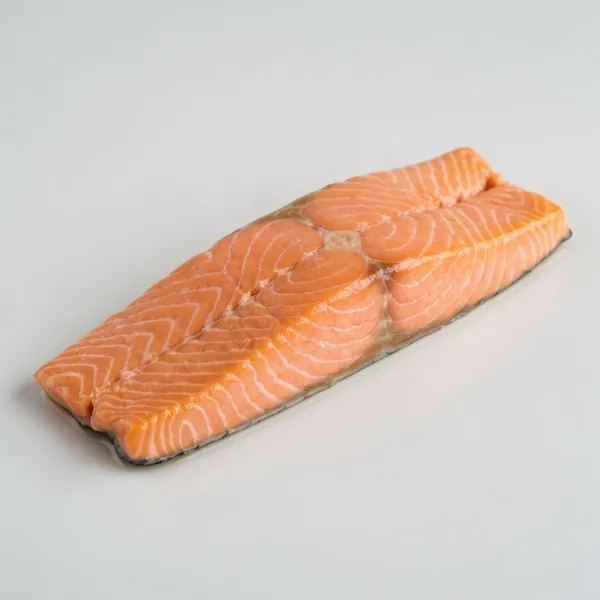
Reference portion: 100g (1 can or 1 fillet)
Serving Information
| ✓ Low FODMAP reference portion | 100g (1 can or 1 fillet) |
|---|---|
| FODMAP Types | |
Is Salmon Low FODMAP?
Salmon is LOW FODMAP. You can enjoy plain salmon freely on a low FODMAP diet without worrying about portion sizes. According to Monash University, plain salmon (whether fresh, frozen, or canned in brine) remains low FODMAP even at servings up to 500 grams, making it an excellent protein choice for managing IBS symptoms.
Safe Serving Size
| Serving | FODMAP Level |
|---|---|
| 100g (1 can or small fillet) | Low |
| 200g (1 large fillet) | Low |
| 500g+ | Low |
Salmon is not a meaningful source of FODMAP carbohydrates when plain because it contains no carbohydrates. A standard serving of 100g provides approximately 20.7g of high-quality protein, along with beneficial omega-3 fatty acids, all with zero FODMAP content. Both fresh and canned salmon are equally safe on a low FODMAP diet.
Why Doesn’t Salmon Contain FODMAPs?
Salmon is pure protein and fat with no carbohydrates. FODMAPs (Fermentable Oligosaccharides, Disaccharides, Monosaccharides, and Polyols) are all types of carbohydrates that can trigger digestive symptoms in sensitive individuals.
Since plain salmon contains no carbohydrates, it naturally doesn’t contain any of the problematic sugars:
- No Fructans - Found in wheat, garlic, and onion
- No GOS (Galacto-oligosaccharides) - Found in legumes
- No Lactose - Found in dairy products
- No Polyols - Found in some fruits and sweeteners
- No Excess Fructose - Found in honey and certain fruits
This makes salmon not only safe for IBS but also incredibly nutritious, providing anti-inflammatory omega-3 fatty acids that may actually help reduce gut inflammation.
Types of Salmon: All Low FODMAP
All varieties and preparations of plain salmon are low FODMAP:
Fresh Salmon
- Wild-caught Atlantic, Pacific, or Sockeye
- Farmed salmon (though wild-caught has higher omega-3s)
- Safe when grilled, baked, poached, or pan-seared
Canned Salmon
- Canned in water or brine is low FODMAP
- Check labels to avoid added garlic, onion, or sauces
- Convenient and budget-friendly option
- Bones are edible and provide extra calcium
Frozen Salmon
- Plain frozen fillets are low FODMAP
- Avoid pre-seasoned or marinated varieties
- Just as nutritious as fresh salmon
Smoked Salmon
- Plain smoked salmon is low FODMAP
- Watch out for added sugars or seasonings
- Great for breakfast or appetizers
Important: Watch Your Seasonings and Sauces
While plain salmon is FODMAP-free, many common preparations can add FODMAPs:
High FODMAP Additions to Avoid
- Garlic and onion - Used in most marinades and seasonings
- Honey glazes - High in excess fructose
- Teriyaki sauce - Often contains garlic, onion, and high FODMAP sweeteners
- BBQ sauce - Usually contains garlic and onion
- Creamy sauces with regular milk - High in lactose
- Wheat-based coatings or crusts - Contains fructans
Low FODMAP Cooking Methods
- Baked - With lemon, dill, and olive oil
- Grilled - Seasoned with herbs and garlic-infused oil
- Poached - In low FODMAP broth or white wine
- Pan-seared - With butter (small amounts) and fresh herbs
- En papillote - Baked in parchment with safe vegetables
- Ceviche-style - “Cooked” in citrus juice with cilantro
Tips for Eating Salmon on Low FODMAP Diet
- Buy plain salmon - Avoid pre-marinated or pre-seasoned fillets
- Check canned salmon labels - Look for “in water” or “in brine” without added ingredients
- Make your own marinades - Use lemon juice, ginger, soy sauce (tamari), fresh herbs, and garlic-infused oil
- Use garlic-infused oil - Provides garlic flavor without FODMAPs (garlic pieces are not in the oil)
- Choose low FODMAP sides - Pair with rice, quinoa, potatoes, or safe vegetables
- Watch restaurant preparations - Ask about ingredients in sauces and glazes
- Mind protein guidelines - Aim for 2-3 serves of protein sources per day
Low FODMAP Salmon Seasoning Ideas
Since plain salmon can be mild, here are FODMAP-friendly ways to add flavor:
Herbs and Spices (All Low FODMAP)
- Fresh or dried: dill, parsley, chives (green parts), basil, cilantro
- Spices: paprika, black pepper, white pepper, cayenne
- Fresh ginger and lemongrass
- Citrus: lemon, lime, orange zest and juice
Safe Sauces and Marinades
- Lemon-dill butter sauce
- Garlic-infused oil with herbs
- Soy sauce or tamari (gluten-free)
- Maple-ginger glaze (small amounts of maple syrup)
- Balsamic reduction (check ingredients)
- Homemade pesto with basil, pine nuts, olive oil, and Parmesan
Flavor Combinations
- Mediterranean: Lemon, olive oil, oregano, and tomatoes
- Asian-inspired: Ginger, tamari, sesame oil, and scallion greens
- Scandinavian: Dill, lemon, and mustard
- Cajun: Paprika, cayenne, thyme, and oregano
Low FODMAP Salmon Recipe Ideas
- Baked Lemon-Dill Salmon - Classic and simple
- Salmon Sushi Bowls - With rice, cucumber, carrots, and tamari
- Grilled Salmon Salad - Over mixed greens with low FODMAP dressing
- Salmon Burgers - Made with canned salmon, gluten-free breadcrumbs, and herbs
- Poached Salmon - With white wine, lemon, and herbs
- Pan-Seared Salmon - With a side of roasted vegetables
- Salmon Tacos - Using corn tortillas and low FODMAP toppings
- Smoked Salmon Breakfast - With scrambled eggs and fresh dill
Nutritional Benefits of Salmon
Beyond being FODMAP-free, salmon is one of the most nutritious proteins available:
- Omega-3 Fatty Acids (EPA and DHA) - Reduce inflammation, support heart and brain health
- High-Quality Protein - All essential amino acids for muscle maintenance
- Vitamin D - Important for bone health and immune function (salmon is one of the best dietary sources)
- B Vitamins - Particularly B12, B6, and niacin for energy metabolism
- Selenium - Powerful antioxidant supporting thyroid function
- Astaxanthin - Antioxidant that gives salmon its pink color
- Potassium - Helps regulate blood pressure
The anti-inflammatory omega-3s in salmon may be particularly beneficial for people with IBS, as chronic low-grade inflammation can play a role in digestive symptoms.
Frequently Asked Questions
Is smoked salmon low FODMAP?
Yes, plain smoked salmon is low FODMAP. However, check the ingredients list for added sugars, garlic, or onion. Some brands add honey or high FODMAP seasonings, so read labels carefully.
Can I eat salmon skin on a low FODMAP diet?
Yes, salmon skin is low FODMAP. When cooked until crispy, it’s a delicious addition. The skin also contains omega-3 fatty acids and collagen.
Is salmon sashimi or raw salmon low FODMAP?
Yes, raw salmon (sashimi, poke, or ceviche) is low FODMAP as long as it’s not prepared with high FODMAP ingredients like garlic, onion, or regular soy sauce. Use tamari (gluten-free soy sauce) instead.
What about salmon with teriyaki sauce?
Most commercial teriyaki sauces contain garlic, onion, and high-fructose corn syrup, making them high FODMAP. Make your own low FODMAP version with tamari, ginger, maple syrup, and rice vinegar.
Is canned salmon as nutritious as fresh?
Yes! Canned salmon is just as nutritious as fresh salmon. In fact, canned salmon with bones provides extra calcium. It’s also more affordable and has a longer shelf life.
Can I eat salmon every day on a low FODMAP diet?
Yes, you can eat salmon daily as part of a balanced diet. However, vary your protein sources to ensure you get a range of nutrients. The recommended 2-3 servings of fish per week is a good guideline for heart health.
Watch Out For These High FODMAP Salmon Products
- Pre-marinated salmon - Almost always contains garlic and onion
- Salmon with cream sauce - May contain lactose from regular dairy
- Honey-glazed salmon - Honey is high in excess fructose
- Salmon burgers with fillers - Check for wheat breadcrumbs or garlic
- Salmon salad with mayo - Some mayonnaise brands contain garlic or onion
- Salmon in teriyaki or BBQ sauce - These sauces typically contain high FODMAP ingredients
Sustainable and Budget-Friendly Options
Choosing Sustainable Salmon
- Look for wild-caught Alaskan salmon
- Check for MSC (Marine Stewardship Council) certification
- Farmed salmon can be sustainable when responsibly raised
Budget-Friendly Tips
- Buy canned salmon for a fraction of the cost
- Purchase frozen salmon fillets on sale
- Buy a whole side of salmon and portion it yourself
- Salmon skin and bones can be used to make low FODMAP fish stock
The Bottom Line
Plain salmon is not a meaningful source of FODMAP carbohydrates, so the FODMAP diet does not impose a specific portion threshold. Canned, smoked, marinated, or seasoned products can add high FODMAP ingredients, and portion choice should still reflect individual comfort and overall nutritional needs.
Frequently Asked Questions
Is salmon low FODMAP?
Yes, salmon is low FODMAP and lower FODMAP when plain; the diet does not impose a FODMAP-specific portion limit. Plain salmon contains no FODMAPs and remains low FODMAP even at servings up to 500 grams.
How much salmon can I eat on a low FODMAP diet?
You can eat as much plain salmon as you like on a low FODMAP diet. The Monash University app confirms salmon remains low FODMAP in serving sizes up to 500 grams.
Does salmon contain any FODMAPs?
No, plain salmon does not contain any FODMAPs. As a high-protein food with no carbohydrates, salmon is not a meaningful source of FODMAP carbohydrates when plain.
Is canned salmon low FODMAP?
Yes, canned salmon in brine or water is low FODMAP. Check the ingredients list to ensure no garlic, onion, or high FODMAP ingredients have been added.