Is Blueberries Low FODMAP?
Find out if blueberries are safe on a low FODMAP diet with generous serving sizes and no FODMAP restrictions up to 500g.
Blueberries is LOW FODMAP
Reference portion: 1 cup (125g) or more
Serving Information
| ✓ Low FODMAP reference portion | 1 cup (125g) or more |
|---|---|
| FODMAP Types | |
Is Blueberries Low FODMAP?
Blueberries are completely low FODMAP. At the standard serving of 1 cup (125g), they are safe for everyone following a low FODMAP diet. Even better, Monash University testing shows that blueberries remain low FODMAP at servings up to 500 grams (approximately 4 cups), making them one of the most generous and safe fruit options available.
This makes blueberries an excellent choice during the elimination phase and beyond - you can enjoy them freely without the strict portion limitations that apply to many other fruits.
Safe Serving Size
| Serving | FODMAP Level | Notes |
|---|---|---|
| 1 cup (125g) | Low | Standard serving |
| 2 cups (250g) | Low | Still completely safe |
| 3-4 cups (375-500g) | Low | Maximum tested, remains low |
| Higher servings | Likely low | Not tested beyond 500g |
According to Monash University, blueberries contain minimal FODMAPs at all tested quantities. The standard serving of 1 cup (125g) provides excellent nutrition without any FODMAP concerns.
Why Are Blueberries So Low in FODMAPs?
Unlike many fruits that contain problematic amounts of fructose, polyols, or fructans at larger servings, blueberries have a favorable nutrient composition for people with IBS:
Balanced sugar ratio: Blueberries contain a good ratio of glucose to fructose, making the fructose easier to absorb. When a fruit has equal or more glucose than fructose, the glucose helps transport the fructose across the intestinal wall.
No polyols: Many fruits contain sorbitol or mannitol (sugar alcohols) that can cause digestive issues. Blueberries are essentially free of these compounds.
No fructans or GOS: Blueberries don’t contain significant amounts of these oligosaccharides that cause problems in foods like onions, garlic, and legumes.
High water content: The water content helps dilute any potential FODMAPs, making them even gentler on the digestive system.
This exceptional FODMAP profile makes blueberries suitable for people with IBS even during the strictest elimination phase of the diet.
Tips for Eating Blueberries on Low FODMAP Diet
- Enjoy generous portions - Unlike most fruits, you don’t need to carefully count individual blueberries. One cup is completely safe, and you can have more if desired.
- Perfect for smoothies - Add 1-2 cups to lactose-free milk or yogurt with 1 firm banana for a filling, nutritious smoothie.
- Fresh or frozen work equally - Buy frozen blueberries in bulk for convenience and cost savings. They have identical FODMAP content and are available year-round.
- Great for baking - Add blueberries to low FODMAP muffins, pancakes, scones, or quick breads without worrying about FODMAP load.
- Portable snack - Pack blueberries in containers for an easy on-the-go snack that requires no preparation.
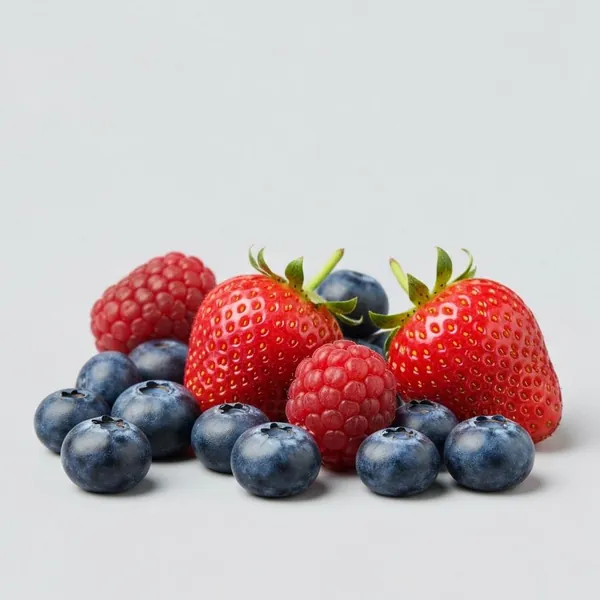
- Mix with other low FODMAP fruits - Combine with strawberries (5 berries), firm banana, or orange segments for fruit salads.
- Breakfast topping - Add to low FODMAP oatmeal, granola, or lactose-free yogurt for extra antioxidants and natural sweetness.
Nutritional Benefits of Blueberries
Blueberries are nutritional powerhouses, often called a “superfood” for good reason:
Antioxidants: Blueberries contain exceptionally high levels of anthocyanins, the compounds that give them their blue color. These antioxidants:
- Fight oxidative stress and inflammation
- May support brain health and memory
- Could help reduce the risk of chronic diseases
- Blueberries rank among the highest antioxidant-containing foods tested
Vitamins and minerals:
- Vitamin C: Supports immune function and collagen production
- Vitamin K: Important for blood clotting and bone health
- Manganese: Essential for metabolism and antioxidant function
- Fiber: Promotes digestive regularity and feeds beneficial gut bacteria
Low calorie: One cup of blueberries contains only about 85 calories, making them ideal for weight management while providing substantial nutrition.
Heart health: Studies suggest regular blueberry consumption may support cardiovascular health by improving cholesterol levels and blood pressure.
Blood sugar control: Despite their sweetness, blueberries have a relatively low glycemic index and may help regulate blood sugar levels.
Blueberries for Gut Health
Beyond being low FODMAP, blueberries may actually support digestive and gut health:
Prebiotic effects: While not high FODMAP, blueberries contain compounds that can beneficially feed gut bacteria without causing symptoms in most IBS sufferers.
Anti-inflammatory properties: The polyphenols in blueberries may help reduce intestinal inflammation, which is particularly beneficial for people with IBD (inflammatory bowel disease) or IBS.
Fiber content: The soluble and insoluble fiber in blueberries supports healthy bowel movements and feeds beneficial bacteria in amounts that are well-tolerated.
Reduced oxidative stress: The antioxidants may help protect the gut lining from damage and support overall digestive health.
Fresh vs Frozen vs Dried Blueberries
Fresh blueberries:
- Low FODMAP at all tested servings
- Best for eating raw, in salads, or as toppings
- More expensive and seasonal in many regions
- Peak nutrition when eaten within a few days of purchase
Frozen blueberries:
- Identical FODMAP content to fresh
- Often more affordable and available year-round
- Frozen at peak ripeness, preserving nutrients
- Perfect for smoothies, baking, and cooking
- Can be stored for months without quality loss
Dried blueberries:
- Not tested by Monash University
- Likely higher FODMAP concentration due to water removal (similar to other dried fruits)
- Often contain added sugars or oils
- Best avoided during elimination phase or used very sparingly
Wild vs cultivated blueberries:
- Both types are low FODMAP
- Wild blueberries tend to be smaller and more intensely flavored
- Wild varieties often have even higher antioxidant content
- Either variety is excellent for a low FODMAP diet
Cooking and Baking with Blueberries
Blueberries are incredibly versatile in low FODMAP cooking:
Breakfast ideas:
- Blueberry pancakes with gluten-free flour blend
- Overnight oats with blueberries and lactose-free milk
- Low FODMAP smoothie bowl topped with fresh blueberries
- Scrambled eggs with smoked salmon and blueberries on the side
Baked goods:
- Blueberry muffins using low FODMAP flour
- Gluten-free blueberry scones with lactose-free butter
- Blueberry coffee cake for special occasions
- Low FODMAP blueberry pie or crumble
Snacks and desserts:
- Blueberry parfait with lactose-free yogurt and low FODMAP granola
- Frozen blueberries as a cooling snack
- Blueberry sauce for pancakes or ice cream
- Blueberry “nice cream” blended with frozen banana
Savory applications:
- Blueberry vinaigrette for salads
- Blueberry compote for grilled chicken or pork
- Added to grain bowls with quinoa and vegetables
- Mixed into salsa for a sweet-savory twist
Blueberry Varieties and FODMAP Content
Different blueberry varieties all appear to be low FODMAP:
Highbush blueberries: The most common commercial variety, large and sweet
Lowbush blueberries: Wild blueberries, smaller and more intense flavor
Rabbiteye blueberries: Common in southern regions, firm texture
Half-high blueberries: Hybrid varieties, cold-hardy
All varieties tested maintain low FODMAP status at generous servings, so choose based on availability, taste preference, and price.
Comparing Blueberries to Other Berries
Blueberries stand out among berries for their generous low FODMAP serving:
| Berry | Low FODMAP Serving | FODMAP Concerns |
|---|---|---|
| Blueberries | 1 cup (125g)+ | None up to 500g |
| Strawberries | 5 medium (65g) | Fructose at higher servings |
| Raspberries | 10 berries (60g) | Polyols at higher servings |
| Blackberries | 1/4 cup (30g) | High polyols |
| Cranberries | 1/4 cup dried (40g) | Often with added sugar |
If you want the most berry for your buck on a low FODMAP diet, blueberries are the clear winner.
Buying and Storing Blueberries
Selecting fresh blueberries:
- Look for firm, plump berries with a silvery “bloom” (natural protective coating)
- Avoid containers with juice staining (indicates crushed berries)
- Check for mold, especially at the bottom of the container
- Deeper blue color generally indicates higher antioxidant content
- Organic blueberries reduce pesticide exposure
Storage tips:
- Don’t wash until ready to eat (moisture promotes mold)
- Store in refrigerator in original container for ventilation
- Use within 7-10 days for best quality
- Spread on baking sheet and freeze, then transfer to freezer bags for long-term storage
- Frozen blueberries keep for 10-12 months
Growing Your Own Blueberries
Blueberries are relatively easy to grow at home:
- Blueberry bushes produce fruit for decades with proper care
- They require acidic soil (pH 4.5-5.5)
- Many varieties are cold-hardy and suitable for various climates
- Fresh-picked blueberries have maximum flavor and nutrition
- Growing your own eliminates pesticide concerns
- Excess harvest can be frozen for year-round supply
Scientific Research on Blueberries
Research continues to highlight blueberry health benefits:
FODMAP testing: Monash University’s comprehensive testing confirms blueberries remain low FODMAP even at very large servings, making them exceptionally safe.
Cognitive function: Multiple studies suggest regular blueberry consumption may improve memory and slow age-related cognitive decline.
Metabolic health: Research indicates blueberries may help regulate blood sugar and improve insulin sensitivity.
Cardiovascular benefits: Studies show associations between blueberry intake and reduced cardiovascular disease risk.
Anti-inflammatory effects: The polyphenols in blueberries demonstrate potent anti-inflammatory properties in research studies.
Blueberries During Different Diet Phases
Elimination phase: Blueberries are completely safe and can be enjoyed daily in generous servings.
Reintroduction phase: Since blueberries are low FODMAP, they don’t need to be reintroduced. They serve as a safe baseline fruit.
Personalization phase: Continue enjoying blueberries freely as a staple fruit in your long-term diet.
Maintenance: Blueberries can be a daily part of your diet without restrictions, providing consistent nutrition and variety.
Frequently Asked Questions
Can I eat multiple cups of blueberries in one sitting?
Yes, Monash testing shows blueberries remain low FODMAP up to 500g (about 4 cups). While you can likely eat more, most people find 1-2 cups satisfying. However, very large amounts of any food can cause digestive upset unrelated to FODMAPs.
Are blueberries better than other fruits for IBS?
Blueberries are among the best fruit choices for IBS due to their generous low FODMAP serving, high antioxidant content, and anti-inflammatory properties. They’re an excellent staple fruit.
Do I need to buy organic blueberries?
Conventional blueberries are safe, but they do appear on the Environmental Working Group’s “Dirty Dozen” list of produce with higher pesticide residues. Organic is a personal choice, especially if you eat them frequently.
Can I drink blueberry juice on a low FODMAP diet?
Commercial blueberry juice hasn’t been tested by Monash and may be concentrated in sugars. Stick to whole fresh or frozen blueberries for the safest option with maximum fiber and nutrition.
Will eating lots of blueberries turn my stool blue?
The anthocyanins that give blueberries their color can sometimes tint stool bluish or greenish, especially with large servings. This is harmless and simply indicates you’re eating these antioxidant-rich foods.
Can children eat blueberries on a low FODMAP diet?
Yes, blueberries are safe for children following a low FODMAP diet for pediatric IBS. They’re also a choking hazard for babies under 12 months, so cut them in half for young children.
Are canned blueberries low FODMAP?
Canned blueberries haven’t been tested but likely remain low FODMAP if canned in water or juice without high FODMAP sweeteners. Check labels for added sugars or syrups.
Frequently Asked Questions
Are blueberries low FODMAP?
Yes, blueberries are low FODMAP at all tested serving sizes up to 500 grams (about 4 cups). They are one of the safest and most generous fruit options on the low FODMAP diet.
What is the safe serving size for blueberries?
The safe serving is 1 cup (125g), and Monash University testing shows blueberries remain low FODMAP even at servings up to 500g (4 cups).
Do blueberries contain any FODMAPs?
Blueberries contain minimal FODMAPs at all tested serving sizes. Unlike many fruits, they don't become high in fructose, polyols, or fructans even at generous portions.
Can I eat frozen blueberries on a low FODMAP diet?
Yes, frozen blueberries have the same low FODMAP status as fresh. They're perfect for smoothies, baking, and can be stored for months.