Is Eggs Low FODMAP?
Learn whether eggs are safe on a low FODMAP diet, including safe serving sizes and tips for cooking this high-protein food.
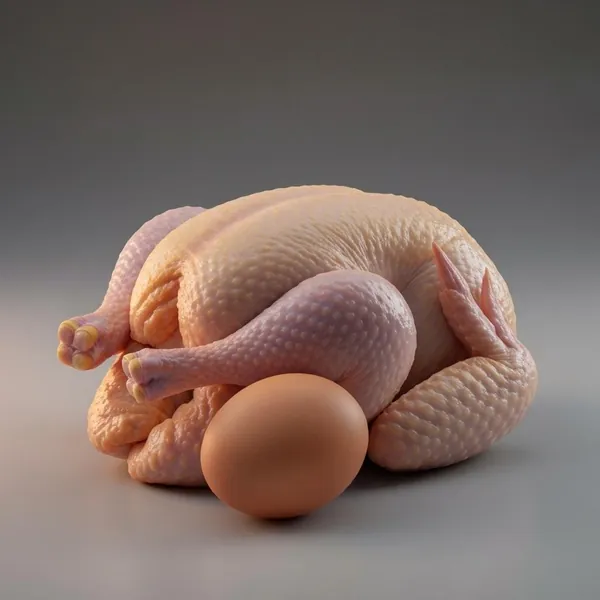
Eggs is LOW FODMAP
Reference portion: 2 whole eggs (117g)
Serving Information
| ✓ Low FODMAP reference portion | 2 whole eggs (117g) |
|---|---|
| FODMAP Types | |
Is Eggs Low FODMAP?
Eggs are LOW FODMAP. You can enjoy eggs freely on a low FODMAP diet without worrying about portion sizes. According to Monash University, eggs remain low FODMAP even at servings up to 500 grams, making them one of the safest and most versatile proteins for IBS sufferers.
Safe Serving Size
| Serving | FODMAP Level |
|---|---|
| 2 whole eggs (117g) | Low |
| 4 whole eggs (234g) | Low |
| 500g+ | Low |
Eggs are unique among foods because they contain no carbohydrates and therefore no FODMAPs. This makes them an unlimited food on the low FODMAP diet. A standard serving of 2 whole eggs provides approximately 12.6g of high-quality protein with zero FODMAP content.
Why Don’t Eggs Contain FODMAPs?
Eggs are pure protein and fat with virtually no carbohydrates. FODMAPs (Fermentable Oligosaccharides, Disaccharides, Monosaccharides, and Polyols) are all types of carbohydrates that can trigger IBS symptoms in sensitive individuals.
Since eggs contain less than 1% carbohydrates, they naturally don’t contain any of the problematic sugars found in many other foods:
- No Fructans - Found in wheat, onions, and garlic
- No GOS (Galacto-oligosaccharides) - Found in legumes and some nuts
- No Lactose - Found in dairy products
- No Polyols - Found in some fruits and artificial sweeteners
- No Excess Fructose - Found in honey, apples, and high-fructose corn syrup
This makes eggs an essential staple for anyone following a low FODMAP diet, especially during the elimination phase when food choices are most restricted.
Tips for Eating Eggs on Low FODMAP Diet
- Avoid high FODMAP additions - Don’t cook eggs with garlic, onion, or onion powder. Use garlic-infused oil instead
- Watch dairy additions - If making scrambled eggs or omelets, use lactose-free milk or cream instead of regular dairy
- Choose low FODMAP vegetables - Add spinach, tomatoes, bell peppers, or zucchini to your eggs instead of mushrooms or asparagus in large amounts
- Check sauces and seasonings - Many prepared sauces contain garlic or onion. Make your own with safe ingredients
- Mind the cooking fat - Butter is low FODMAP in small amounts (1 tablespoon), or use olive oil or garlic-infused oil
- Protein guidelines - Nutritional guidelines recommend 2-3 serves of protein sources per day. Eggs count toward this goal
Cooking Methods for Low FODMAP Eggs
All cooking methods are safe for eggs on a low FODMAP diet:
- Scrambled - Use lactose-free milk and cook in olive oil or butter
- Fried - Perfect with a sprinkle of chives (green parts only) and salt
- Boiled - Hard or soft-boiled eggs make great protein-packed snacks
- Poached - Elegant and no added fat required
- Baked - Try eggs baked in tomatoes or low FODMAP muffins
- Omelet - Fill with low FODMAP vegetables and a sprinkle of aged cheddar (low FODMAP in small amounts)
Low FODMAP Egg Recipe Ideas
Looking for ways to enjoy eggs on your low FODMAP diet? Try these ideas:
- Spinach and Feta Omelet - Use lactose-free feta and fresh spinach
- Egg Fried Rice - With low FODMAP vegetables and tamari sauce (gluten-free soy sauce)
- Breakfast Scramble - With bell peppers, tomatoes, and fresh herbs
- Deviled Eggs - Made with garlic-infused oil instead of garlic powder
- Egg Salad - Using low FODMAP mayo and mustard
- Frittata - Packed with low FODMAP vegetables for meal prep
Nutritional Benefits of Eggs
Beyond being FODMAP-free, eggs offer exceptional nutritional value:
- Complete Protein - Contains all 9 essential amino acids
- Vitamin B12 - Essential for nerve function and red blood cell formation
- Choline - Important for brain health and liver function
- Selenium - Powerful antioxidant that supports immune function
- Vitamin D - Helps with calcium absorption and bone health
- Lutein and Zeaxanthin - Antioxidants that support eye health
Frequently Asked Questions
Are egg whites and egg yolks both low FODMAP?
Yes, both egg whites and egg yolks are low FODMAP. You can eat whole eggs, just whites, or just yolks without any FODMAP concerns.
Can I eat eggs if I have IBS?
Most people with IBS can eat eggs without issues since they contain no FODMAPs. However, some individuals may have a separate egg intolerance or allergy, which is different from FODMAP sensitivity.
What about egg-based products like mayonnaise?
Plain mayonnaise made with eggs, oil, and vinegar is low FODMAP. Check labels to ensure no garlic or onion has been added. Serving size is about 2 tablespoons.
Are eggs inflammatory for IBS?
Eggs are not inherently inflammatory and don’t contain FODMAPs. If you notice symptoms after eating eggs, you may have a separate egg sensitivity, not a FODMAP reaction.
The Bottom Line
Eggs are one of the best foods for a low FODMAP diet. They’re not a meaningful source of FODMAP carbohydrates when plain, highly nutritious, versatile, and has no FODMAP-specific portion limit when plain, although individual comfort and nutrition still matter. Just be mindful of what you cook them with and avoid adding high FODMAP ingredients like garlic, onion, or regular milk. With proper preparation, eggs can be a daily staple that provides essential protein and nutrients while keeping your digestive symptoms at bay.
Frequently Asked Questions
Are eggs low FODMAP?
Yes, eggs are low FODMAP and lower FODMAP when plain; the diet does not impose a FODMAP-specific portion limit. They contain no FODMAPs and remain low FODMAP even at servings up to 500 grams.
How many eggs can I eat on a low FODMAP diet?
You can eat as many eggs as you like on a low FODMAP diet. The Monash University app confirms eggs remain low FODMAP in serving sizes up to 500 grams.
Do eggs contain any FODMAPs?
No, eggs do not contain any FODMAPs. As a high-protein food with no carbohydrates, eggs are not a meaningful source of FODMAP carbohydrates when plain.
Can I eat eggs every day on a low FODMAP diet?
Yes, you can eat eggs every day. They're an excellent source of protein and nutrients. Just avoid cooking them with high FODMAP ingredients like garlic or onion.