Is Cheese Low FODMAP?
Learn whether cheese is safe on a low FODMAP diet, including safe serving sizes, which types to choose, and tips for enjoying cheese without digestive symptoms.
Cheese is LOW FODMAP
Reference portion: 40g (2 slices)
Serving Information
| ✓ Low FODMAP reference portion | 40g (2 slices) |
|---|---|
| FODMAP Types | |
Is Cheese Low FODMAP?
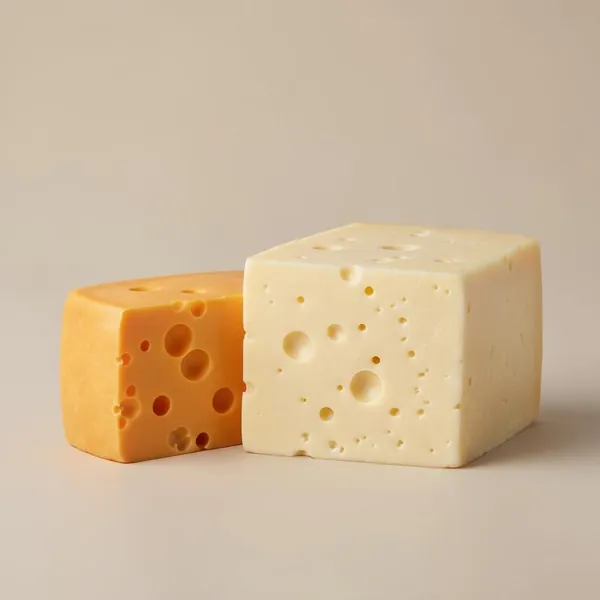
Cheese is low FODMAP. At a serving of 40g (approximately 2 slices of cheddar or other hard cheese), it is safe for most people following a low FODMAP diet. In fact, most hard and aged cheeses remain low FODMAP even at servings up to 500g, making cheese one of the most reliable dairy options for those with IBS.
The good news for cheese lovers is that the cheese-making process naturally removes most lactose, the primary FODMAP found in dairy products.
Safe Serving Size
| Serving | FODMAP Level | Example |
|---|---|---|
| 40g (2 slices) | Low | Safe for most people |
| 100g | Low | Still low for hard/aged cheeses |
| 500g+ | Low | Remains low for many aged cheeses |
According to Monash University, the safe serving size for hard cheeses like cheddar is 40g (about 2 slices), but this food remains low in FODMAPs in servings up to 500 grams. This makes cheese an excellent protein and calcium source for those on a low FODMAP diet.
Why Is Cheese Low in FODMAPs?
Cheese is low in FODMAPs because of how it’s made. During cheese production, milk is separated into curds (solid) and whey (liquid). Most of the lactose, which is the FODMAP sugar in milk, stays in the whey and gets drained away.
For aged cheeses, the fermentation process further reduces lactose levels. Bacteria in the cheese consume the remaining lactose as they age the cheese, leaving virtually no lactose behind. This is why aged cheeses like cheddar, Swiss, parmesan, and aged gouda are typically well-tolerated even by people who are lactose intolerant.
Hard cheeses have very low lactose content:
- Cheddar: Contains less than 0.1g lactose per 100g
- Swiss: Contains less than 0.1g lactose per 100g
- Parmesan: Contains trace amounts of lactose
- Brie and Camembert: Very low lactose despite being soft
Low FODMAP Cheese Options
Best Choices (Low FODMAP)
- Cheddar - All varieties (mild, sharp, extra sharp)
- Swiss - Including Gruyère and Emmental
- Parmesan - Hard, aged, minimal lactose
- Brie - Soft but low in lactose
- Camembert - Similar to brie
- Blue cheese - Aged and low in lactose
- Mozzarella - Fresh mozzarella in moderation
- Feta - In typical serving sizes
- Provolone - Aged and low FODMAP
- Gouda - Especially aged varieties
Cheeses to Limit
- Ricotta - Higher in lactose; limit to small portions
- Cottage cheese - Contains more lactose than hard cheeses
- Cream cheese - Plain is okay in moderation; avoid garlic/herb varieties
- Paneer - Fresh cheese with more lactose
Cheeses to Avoid
- Garlic and herb cream cheese - Contains high FODMAP garlic and onion
- Processed cheese with additives - May contain high FODMAP ingredients
- Cheese spreads - Often contain high FODMAP additives
Tips for Eating Cheese on Low FODMAP
- Choose aged over fresh - The longer a cheese is aged, the less lactose it contains
- Read ingredient labels - Avoid cheeses with added garlic, onion, or high FODMAP herbs and spices
- Watch portion sizes with soft cheeses - While hard cheeses are very safe, limit fresh soft cheeses like ricotta
- Try lactose-free options - Many brands now offer lactose-free cream cheese and cottage cheese
- Avoid FODMAP stacking - If eating cheese with other dairy, watch your total dairy intake in one meal
- Listen to your body - During reintroduction, test different cheese types to find your tolerance
Nutritional Benefits
Cheese is not only low FODMAP but also nutritious:
- High in protein - Important for muscle maintenance and satiety
- Excellent calcium source - Essential for bone health
- Contains vitamin B12 - Important for nerve function and red blood cell formation
- Provides phosphorus - Works with calcium for bone health
- Good source of zinc - Supports immune function
Note: Cheese is high in fat and sodium. While fat can affect gut motility and may trigger symptoms in some people with IBS, cheese is generally well-tolerated in moderate amounts.
Low FODMAP Alternatives
If you’re looking to reduce dairy or want alternatives to cheese:
- Lactose-free cheese - Many brands offer lactose-free cheddar, mozzarella, and cream cheese
- Vegan cheese (coconut-based) - Check for low FODMAP ingredients; coconut-based options are often safe
- Nutritional yeast - Provides a cheesy flavor without FODMAPs
- Aged goat cheese - May be easier to digest than cow’s milk cheese
Cooking with Cheese on Low FODMAP
Cheese is incredibly versatile in low FODMAP cooking:
- Grilled cheese sandwiches - Use low FODMAP bread with cheddar or Swiss
- Cheese omelets - Add cheddar, Swiss, or feta to eggs
- Pizza - Use mozzarella on a low FODMAP crust
- Cheese boards - Combine aged cheeses with low FODMAP crackers and grapes
- Pasta dishes - Grate parmesan over gluten-free pasta
- Salads - Add crumbled feta or shaved parmesan
- Quesadillas - Fill corn tortillas with cheddar and low FODMAP veggies
The Bottom Line
Cheese is one of the best dairy options for people following a low FODMAP diet. Most hard and aged cheeses are naturally low in lactose and safe to enjoy in typical serving sizes—and often in much larger amounts. Stick to aged, hard cheeses for the best tolerance, and avoid flavored varieties with garlic or onion. With so many delicious low FODMAP cheese options available, you can continue enjoying cheese as part of a balanced, gut-friendly diet.
Frequently Asked Questions
Is cheese low FODMAP?
Yes, most hard and aged cheeses are low FODMAP. Cheddar, Swiss, parmesan, brie, camembert, and other aged cheeses contain very little lactose and are safe at typical serving sizes of 40g (about 2 slices).
What is the safe serving size for cheese?
The safe serving size for most hard cheeses is 40g (approximately 2 slices). This serving size remains low in FODMAPs even up to 500g for many aged cheeses.
Why is cheese low in FODMAPs?
During the cheese-making process, most of the lactose (the FODMAP in milk) is removed with the whey. Aged cheeses have even less lactose because bacteria consume the remaining lactose during the aging process.
Which cheeses should I avoid on a low FODMAP diet?
Avoid fresh, soft cheeses like ricotta and cottage cheese in large amounts, as they contain more lactose. Also avoid flavored cream cheese with garlic or herbs, as these contain high FODMAP ingredients.