Is Oatmeal Low FODMAP?
Learn whether oatmeal is safe on a low FODMAP diet, including safe serving sizes, which types of oats to choose, and tips for enjoying oats with IBS.
Oatmeal is LOW FODMAP
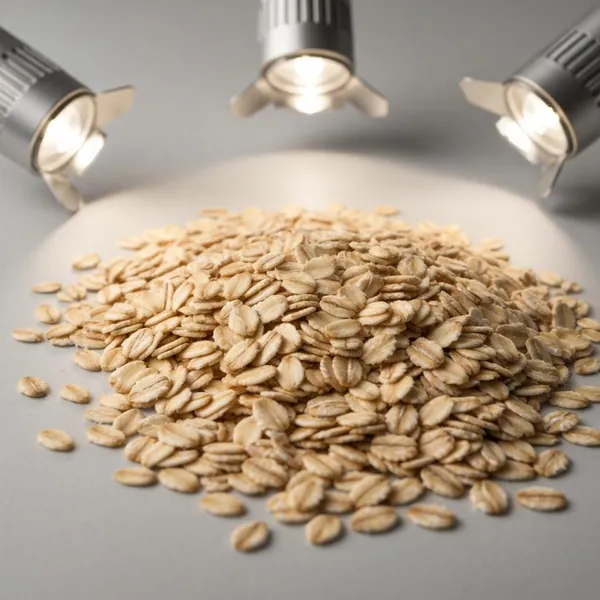
Reference portion: 1/2 cup (52g) uncooked oats
Serving Information
| ✓ Low FODMAP reference portion | 1/2 cup (52g) uncooked oats |
|---|---|
| ✗ High FODMAP at | 3/4 cup (69g) or more uncooked oats |
| FODMAP Types |
|
Is Oatmeal Low FODMAP?
Oatmeal is low FODMAP. At a serving of 1/2 cup (52g) of uncooked rolled oats, it is safe for most people following a low FODMAP diet. However, at 3/4 cup (60-69g) uncooked, the FODMAP content increases to moderate levels, and at 1 cup uncooked, oats become high FODMAP and may trigger digestive symptoms.
This makes oatmeal an excellent breakfast option for those with IBS, as long as you measure your portions carefully and avoid adding high FODMAP toppings.
Safe Serving Size
| Serving (Uncooked) | FODMAP Level |
|---|---|
| 1/2 cup (52-65g) | Low |
| 3/4 cup (60-105g) | Moderate |
| 1 cup (122g) | High |
According to Monash University, the safe serving size for rolled oats is 1/2 cup uncooked, which yields approximately 1 cup of cooked oatmeal. At this serving size, fructan content remains low and should be tolerated by most individuals with IBS.
When oats are cooked, they absorb water and expand, so 1/2 cup of uncooked oats makes a satisfying bowl of oatmeal. The key is to measure your oats before cooking.
Why Does Oatmeal Contain FODMAPs?
Oats contain fructans, which are chains of fructose molecules linked together. Fructans belong to the oligosaccharide category of FODMAPs and are poorly absorbed in the small intestine. When they reach the colon, gut bacteria ferment them, producing gas, bloating, and other IBS symptoms in sensitive individuals.
At smaller servings (1/2 cup uncooked), the amount of fructans is low enough that most people can tolerate it without symptoms. As the serving size increases, so does the fructan load, which is why larger portions can trigger digestive discomfort.
The fermentation process causes:
- Gas and bloating - As bacteria break down fructans, they produce gas
- Abdominal pain - Increased gas can cause cramping and distension
- Changes in bowel movements - The osmotic effect can lead to diarrhea in some individuals
Types of Oats on a Low FODMAP Diet
Not all oats are created equal. Here’s what you need to know about different types:
Rolled Oats (Old-Fashioned Oats)
Low FODMAP: Yes, at 1/2 cup uncooked Rolled oats are steamed and flattened, making them quicker to cook than steel-cut oats. They’re the most commonly tested variety and the safest choice for a low FODMAP diet.
Quick Oats (Instant Oats)
Low FODMAP: Yes, at 1/2 cup uncooked Quick oats are rolled even thinner than old-fashioned oats, so they cook faster. They have the same FODMAP content as rolled oats. However, be cautious with pre-packaged instant oatmeal packets, which often contain high FODMAP ingredients like inulin, dried fruits, honey, or artificial sweeteners.
Steel-Cut Oats
Low FODMAP: Likely yes at 1/4 cup uncooked (not officially tested) Steel-cut oats are whole oat groats that have been chopped but not rolled. While Monash hasn’t specifically tested steel-cut oats, they should have similar FODMAP levels to rolled oats by weight. Use a smaller portion (1/4 cup uncooked) to be safe, as they’re denser.
Oat Bran
Moderate FODMAP: Use sparingly Oat bran is the outer layer of the oat grain and is higher in fiber and fructans than rolled oats. Stick to very small amounts (1-2 tablespoons) if using oat bran.
Gluten-Free Oats
Low FODMAP: Yes, at 1/2 cup uncooked Oats are naturally gluten-free, but they’re often processed in facilities that handle wheat. If you have celiac disease or gluten sensitivity, choose certified gluten-free oats. The FODMAP content is the same as regular oats.
Tips for Eating Oatmeal on Low FODMAP Diet
1. Measure Before Cooking
Always measure your oats before cooking them. Use a measuring cup or kitchen scale to ensure you’re staying within the 1/2 cup (52g) limit. Cooked oats are much harder to measure accurately.
2. Choose Low FODMAP Toppings
Plain oatmeal can be bland, but many common toppings are high FODMAP. Stick to these safe options:
- Fresh berries - Blueberries (1/4 cup), strawberries (10 medium), raspberries (10-15 berries)
- Banana - Firm, unripe banana (1/2 medium)
- Maple syrup - Pure maple syrup (2 tablespoons)
- Brown sugar - 1 tablespoon
- Peanut butter - 2 tablespoons
- Lactose-free milk or almond milk - Use instead of regular milk
- Cinnamon - Unlimited
- Walnuts or pecans - 10 walnut halves or 10 pecan halves
Avoid these high FODMAP toppings:
- Honey
- Agave nectar
- Dried fruits (raisins, dates, cranberries)
- Apples
- Pears
- Regular milk (contains lactose)
- Cashews or pistachios
3. Cook with Low FODMAP Liquid
Make your oatmeal with:
- Water
- Lactose-free milk
- Almond milk (check ingredients - avoid inulin/chicory root)
- Rice milk
- Coconut milk (canned, 1/2 cup max per serving)
Avoid regular cow’s milk unless you’re certain you can tolerate lactose.
4. Avoid Flavored Instant Oatmeal Packets
Pre-packaged instant oatmeal often contains high FODMAP ingredients like:
- Inulin or chicory root (added fiber)
- Dried high FODMAP fruits
- Honey or agave
- Artificial sweeteners (sorbitol, mannitol)
Stick to plain instant oats and add your own low FODMAP toppings.
5. Watch for FODMAP Stacking
Even though 1/2 cup of oats is low FODMAP, combining them with other fructan-containing foods at the same meal can lead to FODMAP stacking. For example:
- Oats + wheat toast = Too many fructans
- Oats + banana + coconut yogurt = Multiple FODMAP sources
Keep your breakfast simple with oats as the main carbohydrate source.
6. Try Overnight Oats
Overnight oats are just as low FODMAP as cooked oatmeal. Combine 1/2 cup rolled oats with lactose-free milk, a pinch of cinnamon, and low FODMAP fruit in a jar. Refrigerate overnight for an easy grab-and-go breakfast.
Low FODMAP Alternatives to Oatmeal
If you find you’re sensitive to oats or want variety, consider these low FODMAP breakfast alternatives:
- Quinoa porridge - Cooked quinoa with lactose-free milk and berries (1 cup cooked is low FODMAP)
- Rice porridge (congee) - White rice cooked with extra water until creamy
- Gluten-free toast - With peanut butter and banana
- Rice cereal - Rice Krispies or Rice Chex with lactose-free milk
- Polenta - Cooked with water or lactose-free milk, topped with berries
- Buckwheat porridge - 1/2 cup cooked is low FODMAP
Nutritional Benefits of Oatmeal
Beyond being low FODMAP, oatmeal offers several health benefits:
- Soluble fiber - Helps regulate digestion and can ease IBS-C (constipation-predominant IBS)
- Beta-glucan - A type of fiber that supports heart health and may lower cholesterol
- Protein - Provides about 5-6g protein per 1/2 cup uncooked
- Complex carbohydrates - Provides steady energy without blood sugar spikes
- Vitamins and minerals - Good source of iron, magnesium, zinc, and B vitamins
The soluble fiber in oats can be particularly helpful for those with IBS-C, as it adds bulk to stool and promotes regularity without causing the fermentation issues that insoluble fiber can trigger.
Scientific Research on Oats and IBS
Research shows that oats can be beneficial for people with IBS:
- A 2014 study found that oat beta-glucan improved IBS symptoms, particularly in those with IBS-C
- Oats are considered a “low-irritant” grain and are often better tolerated than wheat
- The soluble fiber in oats feeds beneficial gut bacteria without causing excessive fermentation at low FODMAP servings
However, individual tolerance varies. Some people with IBS may find that even low FODMAP servings of oats cause symptoms, especially during the elimination phase. This is why the reintroduction phase is so important for identifying your personal triggers.
Frequently Asked Questions
Can I have oatmeal during the low FODMAP elimination phase?
Yes, 1/2 cup of uncooked oats is considered safe during the elimination phase. However, if you notice symptoms, you may want to eliminate oats temporarily and reintroduce them later.
What if I’m still hungry after 1/2 cup of oats?
Instead of exceeding the 1/2 cup oat limit, add low FODMAP protein and fats to make your meal more filling: add 2 tablespoons of peanut butter, serve with scrambled eggs on the side, or add a handful of low FODMAP seeds like chia or pumpkin seeds.
Are overnight oats easier to digest than cooked oats?
Soaking oats overnight may make them slightly easier to digest for some people, as soaking can begin breaking down some of the starches and phytic acid. However, the FODMAP content remains the same whether oats are soaked or cooked.
Can I eat oat flour on a low FODMAP diet?
Oat flour hasn’t been officially tested by Monash, but it should have similar FODMAP levels to rolled oats by weight. Use approximately 1/3 cup (about 40g) of oat flour as equivalent to 1/2 cup of rolled oats.
Why do some people react to oats even at low FODMAP servings?
Some individuals may have a sensitivity to avenin, a protein in oats similar to gluten. Others may react to the fiber content if their gut is particularly sensitive. If you consistently have symptoms with oats at safe servings, consider eliminating them during the strict phase and working with a dietitian.
The Bottom Line
Oatmeal is a nutritious, low FODMAP breakfast option when limited to 1/2 cup of uncooked oats. Measure your portions carefully, choose low FODMAP toppings, and avoid flavored instant oatmeal packets with hidden high FODMAP ingredients.
With proper portion control and mindful ingredient selection, you can enjoy a warm, satisfying bowl of oatmeal as part of your low FODMAP diet without triggering IBS symptoms.
Frequently Asked Questions
Is oatmeal low FODMAP?
Yes, oatmeal is low FODMAP at 1/2 cup (52g) of uncooked rolled oats. At 3/4 cup, oats become moderate FODMAP due to increased fructans content.
What is the safe serving size for oats on a low FODMAP diet?
The safe serving size is 1/2 cup (52g) of uncooked rolled oats, which makes about 1 cup when cooked. This serving is low in FODMAPs and should be tolerated by most people with IBS.
What FODMAPs does oatmeal contain?
Oats contain fructans, a type of oligosaccharide FODMAP. At smaller servings (1/2 cup uncooked), fructan levels remain low, but they increase significantly at larger portions.
Can I eat oats every day on a low FODMAP diet?
Yes, you can eat the safe serving of 1/2 cup uncooked oats daily, as long as you're not stacking FODMAPs with other fructan-containing foods at the same meal.
Are instant oats low FODMAP?
Yes, instant oats have the same FODMAP content as rolled oats. Stick to 1/2 cup uncooked serving to keep them low FODMAP, and avoid flavored varieties with high FODMAP ingredients.