Is Hummus Low FODMAP?
Learn whether hummus is safe on a low FODMAP diet, including safe serving sizes and tips for enjoying this popular chickpea dip.
Hummus is HIGH FODMAP
Reference portion: 1 tablespoon (20g)
Serving Information
| ✓ Low FODMAP reference portion | 1 tablespoon (20g) |
|---|---|
| ✗ High FODMAP at | 2 tablespoons (40g) |
| FODMAP Types |
|
Is Hummus Low FODMAP?
Hummus is high FODMAP. Even at a serving of 1 tablespoon (20g), it contains moderate amounts of FODMAPs, and at 2 tablespoons (40g), the FODMAP content increases to high levels. This popular Middle Eastern dip made from chickpeas can trigger IBS symptoms in most people following a low FODMAP diet.
Safe Serving Size
| Serving | FODMAP Level | FODMAPs Present |
|---|---|---|
| 1 tablespoon (20g) | Moderate | GOS, fructans |
| 2 tablespoons (40g) | High | GOS, fructans |
According to Monash University, even the smallest tested serving of hummus contains moderate to high levels of GOS and fructans. Traditional chickpea hummus should be avoided during the elimination phase of the low FODMAP diet.
Why Does Hummus Contain FODMAPs?
Hummus contains high amounts of GOS (galacto-oligosaccharides) and fructans, both of which come from its main ingredient: chickpeas. These are complex carbohydrates that:
- Cannot be fully digested by people with IBS or FODMAP sensitivities
- Ferment in the gut, producing gas, bloating, and abdominal discomfort
- Draw water into the intestines, potentially causing diarrhea
Chickpeas are legumes, and most legumes are naturally high in oligosaccharides (GOS and fructans). Even when chickpeas are blended into a smooth paste with tahini, lemon juice, and garlic, these FODMAPs remain present in significant amounts.
At smaller servings (1 tablespoon), the amount of GOS and fructans is moderate but may still trigger symptoms in sensitive individuals. As the serving size increases to 2 tablespoons, both GOS and fructans reach high levels.
Tips for Managing Hummus on Low FODMAP
- Avoid during elimination - Skip traditional chickpea hummus completely during the elimination phase
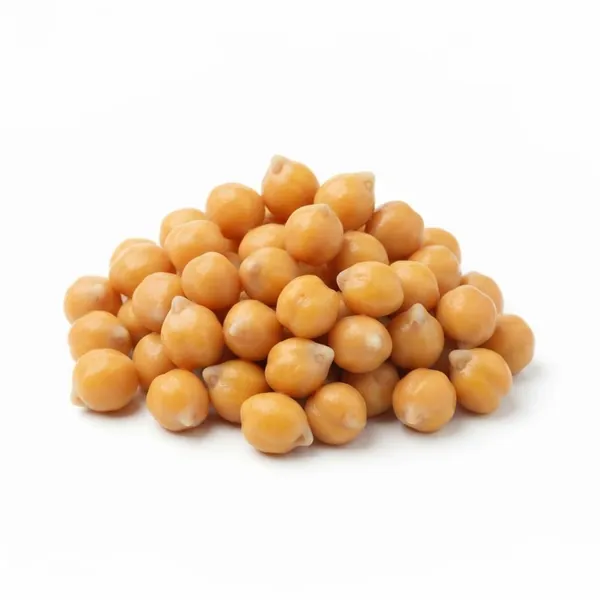
- Try canned chickpeas - Canned, drained chickpeas have been tested and are lower in FODMAPs at very small servings (about 1½ tablespoons)
- Check labels carefully - Many commercial hummus brands add garlic or onion, which further increases FODMAP content
- Watch portion sizes - Even if you tolerate small amounts, avoid large servings and don’t eat hummus multiple times in one day
- Consider timing - If you do reintroduce hummus, space it away from other high FODMAP foods
Low FODMAP Alternatives to Hummus
If you’re craving a creamy dip but need to avoid chickpea hummus, consider these alternatives:
- Eggplant dip (baba ganoush) - Made from roasted eggplant, this is low FODMAP at 2 tablespoons
- Roasted red pepper dip - Bell peppers are low FODMAP and make a delicious creamy dip
- Zucchini hummus - Blend roasted zucchini with tahini for a low FODMAP alternative
- Carrot and ginger dip - Roasted carrots with ginger, cumin, and tahini
- Pumpkin hummus - Made with canned pumpkin instead of chickpeas
- White bean dip - Canned butter beans or cannellini beans are lower FODMAP options in small amounts
Making Low FODMAP “Hummus”
You can create hummus-style dips using low FODMAP ingredients:
Low FODMAP Vegetable Hummus Recipe:
- 1 cup roasted zucchini or eggplant
- 2 tablespoons tahini
- 2 tablespoons lemon juice
- 1 tablespoon garlic-infused olive oil
- ½ teaspoon cumin
- Salt to taste
Blend all ingredients until smooth. This creates a creamy, hummus-like dip without the high FODMAP chickpeas.
Reintroduction Phase
During the reintroduction phase, you may want to test chickpeas and hummus to determine your personal tolerance level:
- Start with canned chickpeas - These are lower in FODMAPs than homemade hummus
- Begin with 1 tablespoon - Try a moderate serving first
- Wait 3 days - Monitor symptoms before trying a larger amount
- Keep a food diary - Track any digestive symptoms, bloating, or discomfort
- Test multiple times - One successful test doesn’t mean permanent tolerance
Remember that tolerance can vary based on your individual gut sensitivity, stress levels, and what else you eat that day.
The Bottom Line
Hummus is high FODMAP and should be avoided during the elimination phase of a low FODMAP diet. Even small servings contain moderate to high levels of GOS and fructans from chickpeas, which can trigger IBS symptoms. Instead, enjoy low FODMAP alternatives made from roasted vegetables like eggplant, zucchini, or roasted red peppers. During reintroduction, you can test your tolerance starting with very small amounts (1 tablespoon) of canned chickpea hummus.
Frequently Asked Questions
Is hummus low FODMAP?
Hummus is high FODMAP even at small servings. A 2-tablespoon serving contains high amounts of GOS and fructans, while a moderate 1-tablespoon serving still contains moderate levels of these FODMAPs.
What is the safe serving size for hummus?
There is no truly safe low FODMAP serving of traditional hummus. Even 1 tablespoon contains moderate amounts of FODMAPs. It's best avoided during the elimination phase.
What FODMAPs does hummus contain?
Hummus contains high levels of GOS (galacto-oligosaccharides) and fructans, both from the chickpeas. These can trigger IBS symptoms like bloating and gas.
Can I eat hummus on a low FODMAP diet?
Traditional chickpea hummus should be avoided during the elimination phase. Consider low FODMAP alternatives made from roasted vegetables or canned chickpeas (which are lower in FODMAPs).