· FODMAP Diet Guide · guides · 12 min read
Low FODMAP Food List: 300+ Safe Foods with Exact Serving Sizes
The complete low FODMAP food list with exact serving sizes for 300+ safe foods. Proteins, vegetables, fruits, grains, dairy alternatives - everything you need for the elimination phase.
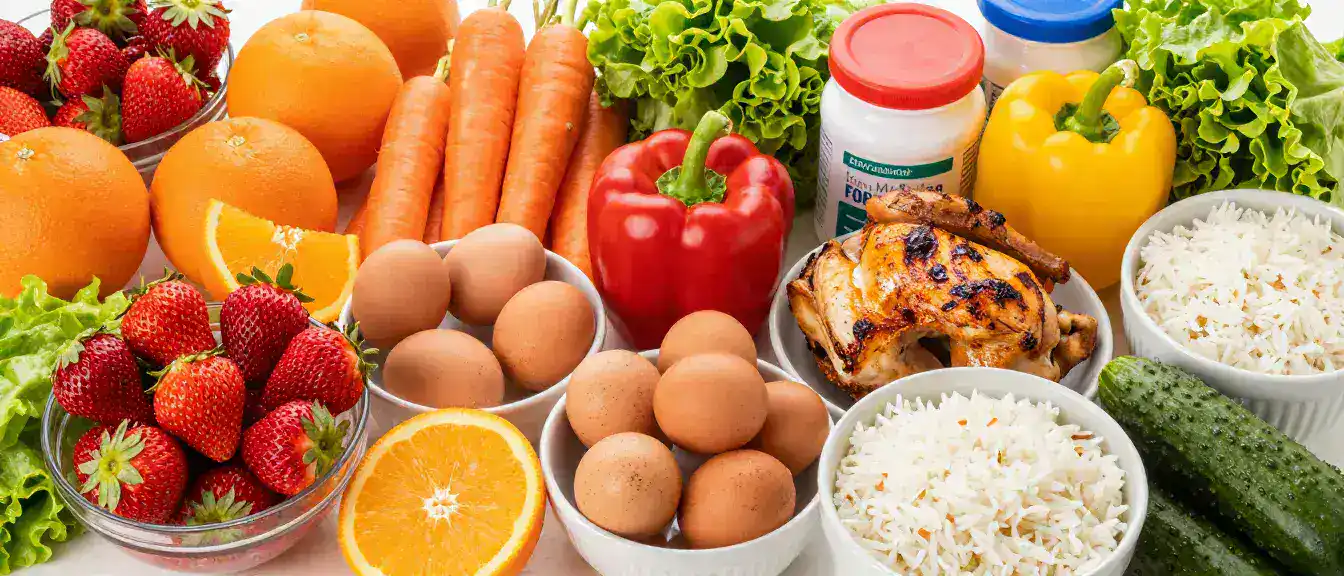
You’ve just been told to start the low FODMAP diet, and you’re staring at a “forbidden foods” list that seems to include everything you normally eat. The panic is real: What CAN I actually eat? The truth is, you have hundreds of safe, delicious options - and this guide shows you exactly what they are, with specific serving sizes for every food. For quick lookups, browse our searchable food database, or read the full elimination phase walkthrough first.
Understanding “Low FODMAP”
A food counts as low FODMAP when it contains minimal fermentable carbohydrates - the ones that trigger IBS symptoms. Two factors determine whether a food stays safe for you:
- Serving size - Even low FODMAP foods become problematic in large portions
- FODMAP stacking - Eating multiple low FODMAP foods in one meal can accumulate FODMAPs past your threshold
Always cross-check with the Monash University FODMAP app for the most accurate, research-based serving sizes.
Low FODMAP Proteins
Protein is the easiest category on this entire diet. Plain, unprocessed protein foods contain zero FODMAPs, so you can eat them freely.
Meats & Poultry (All Plain Varieties)
Completely Safe:
- Beef (all cuts)
- Chicken (breast, thighs, whole)
- Turkey (ground, breast, deli meat without additives)
- Pork (chops, tenderloin, ground)
- Lamb (all cuts)
- Duck
- Veal
- Game meats (venison, bison, elk)
Important: Choose plain, unseasoned meats. Skip these:
- Pre-marinated meats (often contain garlic/onion)
- Processed sausages with fillers
- Deli meats with garlic/onion powder
- Meats with breading or coatings
Seafood (All Varieties)
Completely Safe:
- Salmon
- Tuna (fresh, canned in water)
- Cod
- Halibut
- Shrimp
- Scallops
- Crab
- Lobster
- Mussels
- Clams
- Sardines
- Anchovies
Watch for: Breading, marinades, and sauces that may contain high FODMAP ingredients.
Eggs
All preparations work:
- Scrambled
- Fried
- Poached
- Boiled
- Baked
- Omelets (with low FODMAP fillings)
Plant-Based Proteins
Tofu:
- Firm tofu - Safe in normal portions
- Extra-firm tofu - Safe
- Silken tofu - Check serving size
Tempeh:
- Plain tempeh - Up to 3/4 cup (100g) is low FODMAP
Note: Most other legumes stay off-limits during elimination because they’re high in GOS (galacto-oligosaccharides). You can test canned lentils and chickpeas during reintroduction.
Protein quick recap: All plain meats, poultry, seafood, and eggs are unlimited. Watch for pre-marinades (they usually contain garlic or onion). Tofu and tempeh are safe plant-based options in the listed portions.
Low FODMAP Vegetables
Vegetables demand more attention than proteins because portion sizes make or break your FODMAP load. Every vegetable below includes its tested safe serving size.
Green Vegetables
- Arugula - 1 cup
- Bok choy - 1 cup chopped
- Broccoli - Heads only, 3/4 cup (avoid stems)
- Brussels sprouts - 2 sprouts maximum
- Cabbage, common - 3/4 cup shredded
- Cabbage, red - 1/2 cup shredded
- Celery - 1/4 stick maximum (higher amounts are high FODMAP)
- Collard greens - 1 cup
- Cucumber - Unlimited
- Green beans - 15 beans
- Kale - 1 cup chopped
- Lettuce (all types) - Unlimited
- Spinach - 1 cup raw, unlimited cooked
- Swiss chard - 1 cup
- Zucchini - 1/3 cup
Colorful Vegetables
- Bell peppers (all colors) - 1/2 cup
- Carrots - Unlimited
- Eggplant - 1 cup
- Parsnips - 1/2 cup
- Pumpkin - 1/4 cup canned
- Radishes - Unlimited
- Sweet potato - 1/2 cup (70g) - larger amounts contain mannitol
- Tomatoes (fresh) - Unlimited
- Tomatoes (canned) - 1/2 cup
- Turnips - 1 cup diced
Other Safe Options
- Bean sprouts - 1 cup
- Bamboo shoots - 1/2 cup
- Chives - 1 tablespoon
- Ginger - Unlimited
- Green onions (scallions) - Green tops only, unlimited
- Seaweed/nori - Unlimited
- Water chestnuts - 3 chestnuts
Vegetables to Avoid During Elimination
Yes, this means no garlic or onions for now - and that’s genuinely frustrating since they’re the flavor base for most cooking. This restriction is temporary, and garlic-infused oil (FODMAPs don’t transfer to oil) will become your new best friend in the kitchen.
- Asparagus
- Artichokes
- Cauliflower (in large amounts)
- Garlic
- Leeks
- Mushrooms (high in mannitol, a type of polyol)
- Onions (all types)
- Snow peas
- Sugar snap peas
Vegetable quick recap: Lettuce, carrots, tomatoes, cucumber, and radishes are unlimited. Most other vegetables are safe in measured portions. Garlic and onions are the biggest losses - use garlic-infused oil and the green tops of scallions instead.
Low FODMAP Fruits
Fruits are trickier than vegetables because many contain excess fructose or polyols (sugar alcohols like sorbitol and mannitol). The difference between a safe fruit and a trigger often comes down to a few grams, so these portion sizes matter.
Berries
- Blueberries - 20 berries (28g)
- Cranberries - 1 tablespoon dried
- Raspberries - 10 berries (60g)
- Strawberries - 10 medium berries (140g)
Citrus Fruits
- Grapefruit - 3/4 cup segments
- Lemon - Unlimited juice and zest
- Lime - Unlimited juice and zest
- Mandarin - 1 medium
- Orange - 1 medium (130g)
- Tangelo - 1 medium
Tropical Fruits
- Banana (firm) - 1 medium (ripe bananas become higher FODMAP)
- Dragon fruit - 1 cup
- Kiwi - 2 small
- Papaya - 1 cup (140g)
- Pineapple - 1 cup (140g)
- Passion fruit - 1 fruit
Other Fruits
- Cantaloupe - 1/2 cup diced (120g)
- Grapes - 1 cup (150g)
- Honeydew melon - 1/2 cup (90g)
- Rhubarb - 1 cup
- Star fruit - 1 medium
Fruits to Avoid During Elimination
Losing apples, mangoes, and watermelon stings - especially in summer. The upside: strawberries, oranges, grapes, and pineapple are all safe, and most people find they can reintroduce some of these fruits after testing.
- Apples
- Apricots
- Avocado (in large amounts)
- Blackberries (in large amounts)
- Cherries
- Dates
- Figs
- Mango
- Nectarines
- Peaches
- Pears
- Plums
- Prunes
- Watermelon
- Most dried fruits
Fruit quick recap: Stick to firm bananas, citrus, berries (in measured amounts), and tropical fruits like pineapple and kiwi. Avoid stone fruits, apples, pears, and watermelon. Always measure - an extra handful can tip the balance.
Low FODMAP Grains & Starches
You need energy, which means grains and starches. The low FODMAP diet does not require going gluten-free, but you should limit wheat-based products during elimination because of fructans (a type of oligosaccharide found in wheat, garlic, and onions).
Safe Grains
- White rice - Unlimited
- Brown rice - Unlimited
- Basmati rice - Unlimited
- Wild rice - Unlimited
- Quinoa - 1 cup cooked
- Oats - 1/2 cup dry or 1 cup cooked
- Oat bran - 2 tablespoons
- Rice bran - 2 tablespoons
- Millet - 2/3 cup cooked
- Polenta - 2/3 cup cooked
- Cornmeal - 1/2 cup
Bread & Baked Goods
- Sourdough spelt bread - 2 slices (fermentation reduces fructans)
- Gluten-free bread - Check ingredients, most are safe
- Rice crackers - Check for onion/garlic
- Corn tortillas - 2 small
- Corn chips - 1 ounce
- Rice cakes - Unlimited
Pasta & Noodles
- Rice noodles - 1 cup cooked
- Rice pasta - 1 cup cooked
- Gluten-free pasta - 1 cup cooked (check ingredients)
- Soba noodles (100% buckwheat) - 1 cup cooked
Grains to Avoid During Elimination
Giving up regular bread and pasta feels like a big deal, and it is. Sourdough spelt and rice-based alternatives fill the gap well, and many people discover during reintroduction that they tolerate small amounts of wheat just fine.
- Regular wheat bread
- Wheat pasta
- Rye bread
- Barley
- Couscous (wheat-based)
- Wheat cereals with high fructan content
Grains quick recap: Rice in all forms is unlimited and safe. Oats, quinoa, and millet work in measured portions. Swap wheat bread for sourdough spelt or gluten-free options, and use rice or gluten-free pasta.
Low FODMAP Dairy & Alternatives
Dairy confuses everyone, so here’s the simple truth: lactose is the only problematic FODMAP in dairy. Many dairy products are naturally low in lactose, and lactose-free alternatives let you keep enjoying milk, yogurt, and ice cream.
Low Lactose Dairy
Hard Cheeses (Naturally Low Lactose):
- Cheddar - 2 slices (40g)
- Parmesan - 2 tablespoons grated
- Swiss - 2 slices
- Mozzarella - 2 slices
- Brie - 2 slices (40g)
- Camembert - 2 slices (40g)
- Feta - 1/2 cup crumbled (not safe in larger amounts)
Lactose-Free Options:
- Lactose-free milk - Unlimited
- Lactose-free yogurt - 1 cup
- Lactose-free cream cheese - 2 tablespoons
- Lactose-free cottage cheese - 1/2 cup
- Lactose-free ice cream - Check serving size
Butter & Cream:
- Butter - Unlimited (contains minimal lactose)
- Heavy cream - 2 tablespoons
Plant-Based Alternatives
- Almond milk - 1 cup (check for additives like inulin)
- Coconut milk (canned) - 1/2 cup
- Coconut milk (carton) - 1 cup
- Coconut cream - 1/4 cup
- Hemp milk - 1 cup
- Macadamia milk - 1 cup
- Rice milk - 1 cup
- Coconut yogurt - Check for additives
Dairy to Avoid During Elimination
If you love your morning latte with real milk, this one hurts. Lactose-free milk tastes nearly identical and works in every recipe, so the swap is painless once you find a brand you like.
- Regular cow’s milk
- Goat’s milk
- Sheep’s milk
- Buttermilk
- Soft cheeses (ricotta, cottage cheese)
- Cream cheese (regular)
- Ice cream (regular)
- Yogurt (regular)
- Sour cream
Dairy quick recap: Hard cheeses (cheddar, parmesan, swiss) are naturally low in lactose. Swap regular milk for lactose-free milk. Butter is safe. Check plant milks for inulin or other FODMAP additives.
Low FODMAP Nuts & Seeds
Nuts and seeds pack nutrition into small servings, but you must measure them. Going over the listed amounts turns a safe snack into a trigger.
Safe Nuts
- Almonds - 10 nuts maximum
- Brazil nuts - 10 nuts
- Hazelnuts - 10 nuts
- Macadamia nuts - 20 nuts
- Peanuts - 32 nuts
- Pecans - 10 pecan halves
- Pine nuts - 1 tablespoon
- Walnuts - 10 walnut halves
Nut Butters
- Peanut butter - 2 tablespoons
- Almond butter - 1 tablespoon
- Macadamia butter - 1 tablespoon
Safe Seeds
- Chia seeds - 2 tablespoons
- Flaxseeds - 1 tablespoon
- Pumpkin seeds - 2 tablespoons
- Sesame seeds - 1 tablespoon
- Sunflower seeds - 2 tablespoons
Nuts to Avoid During Elimination
- Cashews (high in GOS)
- Pistachios (high in GOS and fructans)
Low FODMAP Fats & Oils
All pure fats and oils contain zero FODMAPs. Use them freely.
Oils
- Olive oil - Unlimited
- Coconut oil - Unlimited
- Avocado oil - Unlimited
- Canola oil - Unlimited
- Vegetable oil - Unlimited
- Sesame oil - Unlimited
- Garlic-infused oil - Unlimited (FODMAPs don’t dissolve in oil - this is your garlic flavor lifeline)
Other Fats
- Butter - Unlimited
- Ghee - Unlimited
- Mayonnaise - Check ingredients for garlic/onion
Low FODMAP Herbs & Spices
Fresh and dried herbs deliver flavor without FODMAPs. Use them generously - they replace the depth you lose from avoiding garlic and onion.
Fresh Herbs (All Safe)
- Basil
- Cilantro (coriander leaves)
- Chives
- Dill
- Mint
- Oregano
- Parsley
- Rosemary
- Sage
- Tarragon
- Thyme
Spices (All Safe)
- Black pepper
- Cardamom
- Cayenne pepper
- Chili powder
- Cinnamon
- Cloves
- Coriander (seeds)
- Cumin
- Curry powder (check for onion/garlic)
- Ginger
- Mustard powder
- Nutmeg
- Paprika
- Saffron
- Turmeric
Herbs & Spices to Avoid During Elimination
- Garlic powder
- Onion powder
- Garlic salt
- Onion salt
Low FODMAP Condiments & Sauces
Hidden FODMAPs show up most often in condiments and sauces. Read every label.
Safe Options
- Soy sauce/Tamari - 2 tablespoons
- Mustard - Check for honey, garlic, onion
- Worcestershire sauce - 1 tablespoon
- Hot sauce - 1 tablespoon (check ingredients)
- Tomato paste - 2 tablespoons
- Tomato sauce (passata) - 1/2 cup (check for garlic/onion)
- Vinegar (all types) - Unlimited
- Maple syrup - 2 tablespoons
Make Your Own
- Salad dressings with olive oil, vinegar, mustard, herbs
- Marinara sauce without onion/garlic
- Pesto with basil, pine nuts, parmesan, garlic-infused oil
Condiments to Avoid During Elimination
- Honey
- Agave nectar
- High-fructose corn syrup
- Store-bought sauces with onion/garlic
- Barbecue sauce (usually contains high FODMAP ingredients)
- Teriyaki sauce (often contains garlic)
Low FODMAP Beverages
Safe Drinks
- Water - Unlimited (your best choice)
- Coffee - Limit to 3 cups per day (caffeine can trigger symptoms)
- Black tea - Weak/moderate strength
- Green tea - Unlimited
- Peppermint tea - Unlimited
- Ginger tea - Unlimited
- Wine - 1 glass (150ml)
- Beer - 1 can/bottle (375ml)
- Vodka, gin - 1 shot
Beverages to Avoid During Elimination
- Chai tea (contains high FODMAP spices)
- Chamomile tea (high in polyols in large amounts)
- Fennel tea
- Coconut water (high in polyols)
- Fruit juices (high in fructose)
- Soft drinks with high-fructose corn syrup
- Rum (higher FODMAP)
Low FODMAP Sweeteners
- White sugar (sucrose) - 1 tablespoon
- Brown sugar - 1 tablespoon
- Maple syrup - 2 tablespoons
- Glucose - Unlimited
- Stevia - Unlimited (pure stevia, check for additives)
Sweeteners to Avoid During Elimination
- Honey
- Agave nectar
- High-fructose corn syrup
- Sorbitol
- Mannitol
- Xylitol
- Maltitol
- Isomalt
Sample Low FODMAP Meals
Knowing which foods are safe only helps if you turn them into actual meals. Here are tested combinations to get you started. For more ideas, explore our full collection of low FODMAP recipes.
Breakfast Ideas
- Scrambled eggs with spinach and tomatoes, gluten-free toast with butter
- Oatmeal with lactose-free milk, banana slices, and walnuts
- Smoothie: lactose-free yogurt, strawberries, spinach, almond milk
- Rice cakes with peanut butter and sliced strawberries
Lunch Ideas
- Grilled chicken salad with mixed greens, cucumber, carrots, bell peppers, olive oil dressing
- Turkey and cheddar sandwich on gluten-free bread with lettuce and tomato
- Rice bowl with firm tofu, bok choy, carrots, tamari sauce
- Tuna salad with mayo, cucumber, served on rice crackers
Dinner Ideas
- Baked salmon with roasted zucchini, carrots, and quinoa
- Stir-fry with shrimp, bell peppers, bok choy, ginger over white rice
- Grilled chicken with baked sweet potato (1/2 cup) and green beans
- Turkey meatballs (no garlic) with gluten-free pasta and homemade marinara sauce
Snack Ideas
- 10 almonds and an orange
- Rice cakes with almond butter
- Lactose-free yogurt with blueberries
- Carrot sticks with homemade hummus (from canned chickpeas after reintroduction)
- Hard cheese and gluten-free crackers
- Small banana with 10 walnuts
Take Action This Week
This list is useless if it stays on your screen. Pick 10 foods from this list that you already like and build your meals around those this week. You don’t need to master every category at once - start with what’s familiar and expand from there.
- Search the food database - Look up any food instantly to confirm its FODMAP status and exact safe serving size before you eat it.
- Get meal ideas from tested recipes - Every recipe uses only the safe foods listed above, with portions already calculated for you.
- Follow the elimination phase step by step - Know exactly what to do each week, when to reintroduce foods, and how to track your symptoms.
Important Reminders
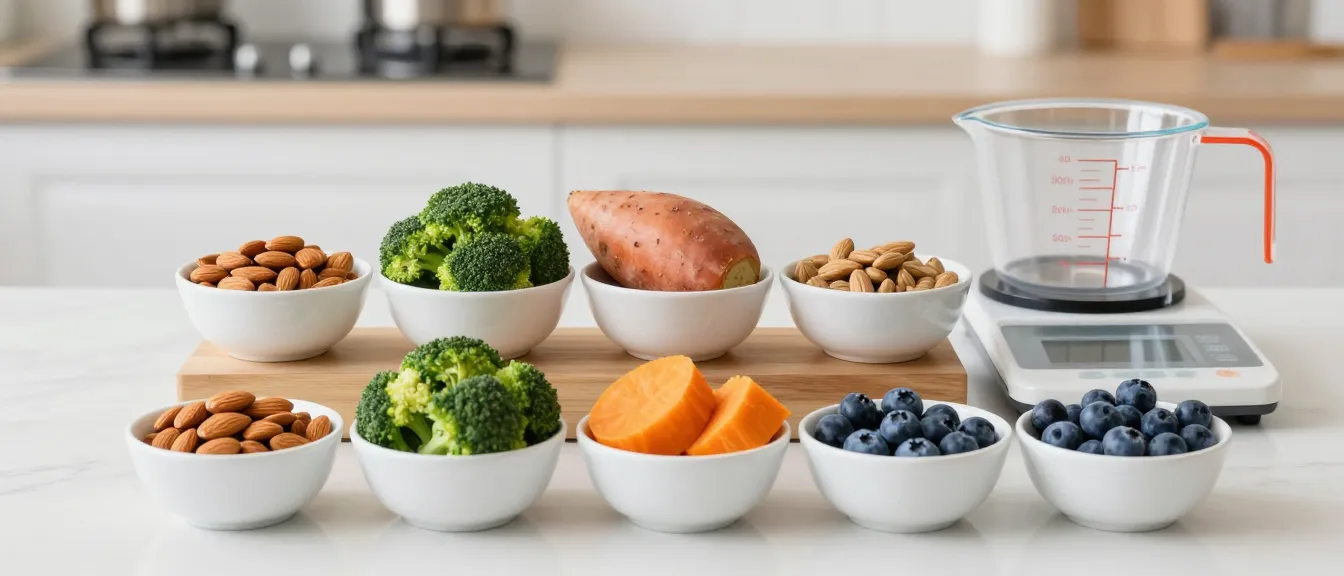
Measure Your Portions
Even low FODMAP foods have upper limits. The Monash FODMAP app shows traffic-light ratings:
- Green - Safe at listed serving size
- Amber - Moderate FODMAPs at larger servings
- Red - High FODMAP at large servings
Watch for FODMAP Stacking
Eating multiple moderate-FODMAP foods in one meal can trigger symptoms. Space your meals 3-4 hours apart and balance moderate-FODMAP foods with FODMAP-free options like plain proteins and rice.
Read Labels Carefully
When eating out at restaurants, ask about ingredients in sauces and marinades. At home, watch for hidden FODMAPs in:
- Marinades and sauces (garlic, onion)
- Stocks and broths (onion, garlic)
- Processed meats (garlic powder, onion powder)
- Cereals and granola bars (honey, dried fruit, inulin)
- Salad dressings (garlic, onion, honey)
Use the Monash App
This guide gives you a strong starting point, but the Monash University FODMAP app is the gold standard. The team updates it regularly with new foods and the latest research. The small one-time fee ($12.99 USD) pays for itself the first time it saves you from a flare-up.
The Bottom Line
The low FODMAP diet removes certain foods temporarily - not permanently. This list proves you still have hundreds of safe, satisfying options across every food group. Focus on what you CAN eat, not what you’re setting aside for a few weeks.
The key points:
- Measure your serving sizes - they determine whether a food is safe or not
- All plain proteins (meat, poultry, seafood, eggs) are FODMAP-free and unlimited
- Most fruits and vegetables are safe in the right portions
- Lactose-free dairy and plant milks replace regular dairy without sacrificing taste
- Herbs, spices, and garlic-infused oil keep your food flavorful
Print this list, save it to your phone, and pair it with the Monash app. Then pick your 10 favorite safe foods and start cooking tonight.
Disclaimer: This guide is for educational purposes. Serving sizes are approximate and should be verified with the Monash FODMAP app. Always work with a FODMAP-trained dietitian for personalized guidance.