· FODMAP Diet Guide · guides · 8 min read
Low FODMAP Foods and Bloating: Practical Meal Ideas
Meal ideas and preparation tips for people using a low FODMAP approach to investigate bloating, with portion and symptom-tracking guidance.
Bloating is common in IBS, but it can have several causes. A structured low FODMAP trial may help some people identify whether fermentable carbohydrates contribute to their symptoms. Individual responses vary, and no single food is guaranteed to stop bloating.
Understanding Bloating on the FODMAP Diet
Bloating happens when excess gas builds up in your digestive tract or when water and gas stretch your intestines. FODMAPs drive bloating in two key ways:
- Osmotic effect – FODMAPs draw water into the intestines, stretching the intestinal walls
- Fermentation – Gut bacteria rapidly ferment FODMAPs, producing hydrogen, methane, and carbon dioxide gas
If FODMAPs contribute to your symptoms, selecting verified lower FODMAP servings can reduce the amount consumed during Step 1. For a broader reference, see our low FODMAP food list.
Want to check if your favorite foods are safe? Browse our FODMAP food database for instant ratings.
The Best Low FODMAP Foods for Reducing Bloating
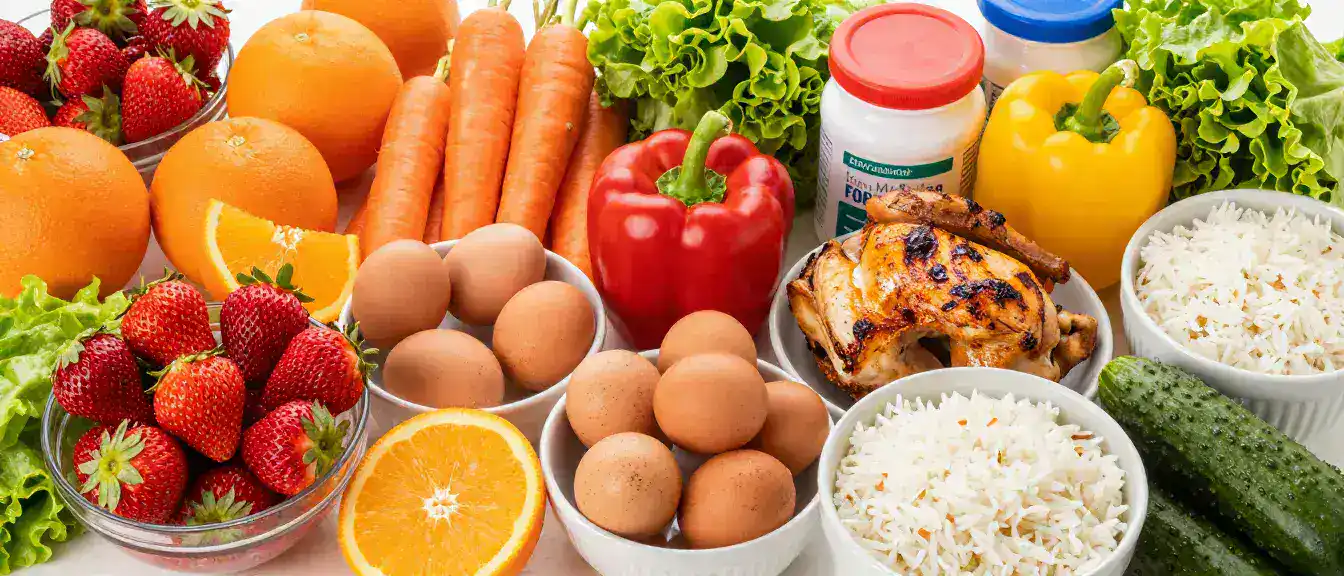
Easily Digestible Proteins
Proteins are not a meaningful source of FODMAP carbohydrates when plain and don’t cause gas production. They’re your safest bet when bloating is severe.
Top Choices:
Lean Poultry:
- Chicken breast (grilled, baked, or poached)
- Turkey breast
- Ground turkey (93% lean or higher)
Fish and Seafood:
- White fish (cod, halibut, tilapia)
- Salmon
- Shrimp
- Scallops
Eggs:
- Scrambled eggs
- Poached eggs
- Hard-boiled eggs
Firm Tofu:
- Well-drained, pressed tofu
- Baked or pan-fried (not deep-fried)
The science: Proteins don’t ferment in the gut. Your stomach and small intestine break them down before they reach the colon, so they produce almost no gas.
Preparation tips:
- Keep cooking methods simple: grill, bake, poach, or steam
- Avoid heavy sauces and breading
- Season with low FODMAP herbs and garlic-infused oil
- Browse our food database to check FODMAP levels for specific ingredients
Lower-Fiber Carbohydrate Options
Fiber is important for long-term health, but some people find certain lower-fiber foods easier to include during a symptom flare. This is an individual observation, not a guaranteed treatment effect.
White Rice:
- Plain white rice
- Rice noodles
- Rice crackers
What makes it different: Your body digests white rice quickly and easily. It’s low in fiber and almost never produces gas.
Potatoes (without skin):
- White potatoes, boiled or baked
- Mashed potatoes with lactose-free milk
- Potato puree
How they help: Your gut handles potatoes with ease. These gentle starches break down without triggering significant fermentation.
Sourdough Spelt Bread:
- 1-2 slices
- The fermentation process reduces fructans
The science: Traditional fermentation breaks down many FODMAPs during the baking process, so your gut tolerates sourdough spelt far better than regular bread.
Gluten-Free Options:
- Plain rice cakes
- Gluten-free crackers (check ingredients)
- Gluten-free toast
Low-Gas Vegetables
Some vegetables produce less gas than others, even among low FODMAP choices.
Best Choices:
Carrots:
- Cooked carrots (easier to digest than raw)
- Unlimited serving size
- Rich in soluble fiber
Zucchini:
- Cooked zucchini
- Up to 1/3 cup
- Very gentle on digestion
Cucumber:
- Peeled cucumber (your gut digests it more easily without the skin)
- Unlimited serving
- High water content helps reduce bloating
Tomatoes:
- Fresh tomatoes (unlimited)
- Canned tomatoes (½ cup)
- Cherry tomatoes
Lettuce (all types):
- Romaine, butter lettuce, arugula
- Unlimited serving
- Very low in fermentable fiber
Bell Peppers:
- Red, yellow, or orange (green can be harder to digest)
- Up to ½ cup
- Cooked is easier than raw
Spinach:
- Cooked spinach is easier to digest
- 1 cup raw or unlimited cooked
- Less gas-producing than other leafy greens
Preparation tips:
- Cook vegetables until soft (reduces gas formation)
- Remove skins when possible
- Eat smaller portions more frequently
Anti-Bloating Fruits
Choose fruits that are less likely to cause gas and have lower polyol content.
Top Picks:
Blueberries:
- 20 berries (28g)
- Low in fructose
- Antioxidant-rich
Strawberries:
- 10 medium berries (140g)
- Gentle on digestion
- High water content
Oranges:
- 1 medium orange
- Good balance of glucose and fructose
- Natural digestive enzymes
Cantaloupe:
- ½ cup diced (120g)
- High water content helps reduce bloating
- Easy to digest
Grapes:
- 1 cup (150g)
- Low in polyols
- Natural fruit sugars are well-balanced
Kiwi:
- 2 small kiwis
- Contains actinidin (a natural enzyme that helps break down protein)
- May help with motility
Banana (firm, not overripe):
- 1 medium banana
- Easier to digest when slightly green
- Good for gentle fiber
Preparation tips:
- Eat fruit between meals rather than with meals
- Choose ripe but not overripe fruits
- Start with small portions
Gentle Dairy Alternatives
Regular dairy causes bloating due to lactose. These alternatives won’t trigger gas.
Lactose-Free Options:
- Lactose-free milk
- Lactose-free yogurt (plain)
- Hard cheeses: cheddar, parmesan, Swiss (naturally low lactose)
Plant-Based Milks:
- Almond milk (no additives)
- Rice milk
- Macadamia milk
What makes them different: No lactose means gut bacteria have nothing to ferment, so they don’t produce gas.
Anti-Bloating Beverages
What you drink matters as much as what you eat.
Best Drinks for Bloating:
Peppermint Tea:
- Natural antispasmodic
- Relaxes digestive muscles
- Reduces gas and bloating
- Unlimited consumption
Ginger Tea:
- Fresh ginger steeped in hot water
- Promotes gastric emptying
- Reduces inflammation
- Unlimited consumption
Water:
- Plain water throughout the day
- Room temperature goes down easier than ice cold
- Helps move gas through the system
Green Tea:
- Unlimited consumption
- Contains compounds that reduce inflammation
- Gentle caffeine boost without bloating
Weak Black Tea:
- Moderate strength
- Less than 3 cups per day
- Can aid digestion
What to avoid:
- Carbonated beverages (add gas to your system)
- Coconut water (high in mannitol)
- Large amounts of coffee (more than 3 cups)
- Fruit juices (concentrated fructose)
Foods to Avoid When Bloating Is Severe
Even some low FODMAP foods can trigger bloating during acute episodes.
Temporarily Limit
Cruciferous Vegetables:
- Broccoli (even in low FODMAP portions)
- Cabbage
- Brussels sprouts
These contain sulfur compounds that increase gas, even though they’re low FODMAP in small amounts.
High-Fiber Foods:
- Oat bran
- Chia seeds
- Flaxseeds
During acute bloating, high fiber can worsen distension. Once you feel better, gradually add these foods back.
Raw Vegetables:
- Raw bell peppers
- Raw carrots
- Raw celery
Your gut works harder to break down raw vegetables, which produces more gas. Cook them instead.
Nuts:
- Even low FODMAP nuts (almonds, walnuts)
Their fat and fiber content slows digestion, which can leave you feeling full and bloated.
Carbonated Drinks:
- Sparkling water
- Soda
- Beer
These push carbon dioxide gas directly into your digestive system.
Eating Strategies to Reduce Bloating
Food choice matters, but eating habits matter just as much.
Eat Smaller, More Frequent Meals
How it helps: Large meals stretch your stomach, trigger the gastrocolic reflex (the involuntary urge to move the bowels after eating), and make bloating worse.
Action steps:
- Eat 5-6 small meals instead of 3 large ones
- Stop eating when you’re 80% full
- Allow 3-4 hours between meals for digestion
Chew Thoroughly and Eat Slowly
The science: Aerophagia (swallowing excess air while eating) contributes significantly to bloating. Slowing down cuts the amount of air you swallow with every bite.
Action steps:
- Chew each bite 20-30 times
- Put your fork down between bites
- Take at least 20 minutes to finish a meal
- Don’t talk with food in your mouth
Be Mindful of Liquids with Meals
What makes this matter: Drinking large amounts of liquid with meals can increase feelings of fullness and bloating for many people.
Action steps:
- Sip small amounts during meals rather than gulping large glasses
- Stay well hydrated between meals
- Choose still water over carbonated drinks
Avoid Straws and Gum
Both activities force you to swallow excess air, which goes straight to your gut.
Action steps:
- Drink directly from a glass
- Skip chewing gum entirely
- Avoid hard candies you suck on
Keep a Food and Symptom Diary
A diary helps you identify your personal triggers beyond just FODMAPs.
Track:
- Everything you eat and drink
- Portion sizes
- Time of eating
- Bloating severity (0-10 scale)
- Time symptoms appeared
- Stress levels
- Sleep quality
For more meal ideas, explore our low FODMAP recipes.
Sample Anti-Bloating Meal Plan
Day 1
Breakfast:
- 2 scrambled eggs with cooked spinach
- 1 slice sourdough spelt toast with butter
- Peppermint tea
Mid-Morning Snack:
- 10 strawberries
- Rice cakes
Lunch:
- Grilled chicken breast
- ½ cup cooked carrots
- ½ cup white rice
- Side salad with cucumber and lettuce
Afternoon Snack:
- 1 orange
- Small piece of cheddar cheese
Dinner:
- Baked cod
- ½ cup cooked zucchini
- Mashed white potato (made with lactose-free milk)
- Ginger tea
Evening (if needed):
- Lactose-free yogurt (plain)
Day 2
Breakfast:
- Oatmeal made with lactose-free milk
- 1 firm banana
- Green tea
Mid-Morning Snack:
- 20 blueberries
- 5 gluten-free crackers
Lunch:
- Poached salmon
- Peeled cucumber slices
- White rice
- Cherry tomatoes
Afternoon Snack:
- Small handful of grapes
- Rice crackers
Dinner:
- Grilled turkey breast
- Steamed carrots and zucchini
- ½ cup quinoa
- Peppermint tea
Beyond Diet: Lifestyle Factors
Manage Stress
Stress directly affects gut motility and sensitivity, making bloating worse.
Try:
- Deep breathing exercises
- Meditation apps
- Gentle yoga
- Walking after meals
Stay Active
Physical activity helps move gas through your intestines naturally.
Try:
- 10-15 minute walk after each meal
- Gentle stretching
- Yoga poses that massage the abdomen
- Regular light exercise (not intense workouts when bloated)
Improve Your Posture
Slouching compresses your abdomen and traps gas.
Try:
- Sit up straight while eating
- Stand and walk around periodically if you have a desk job
- Sleep with your head slightly elevated
Consider Timing
Hormones affect bloating, especially for women.
Note:
- Bloating often worsens before menstruation
- This is normal and not necessarily diet-related
- Be extra gentle with yourself during this time
When to Seek Additional Help
If bloating persists even after you follow a strict low FODMAP diet:
Consider:
- SIBO testing – Small Intestinal Bacterial Overgrowth can cause similar symptoms
- Bile acid malabsorption – Can cause diarrhea and bloating
- Food intolerances – Beyond FODMAPs (histamine, salicylates)
- Motility issues – Gastroparesis (delayed stomach emptying) or slow transit constipation
- Functional dyspepsia – Upper GI bloating and discomfort
Work with:
- Gastroenterologist for medical evaluation
- FODMAP-trained dietitian for personalized guidance
- Possibly a gut-directed hypnotherapist for brain-gut connection
The Bottom Line
Bloating may improve during a low FODMAP trial for some people with IBS, while others see little or no change. Food choices should be assessed as part of the structured three-step diet rather than treated as remedies.
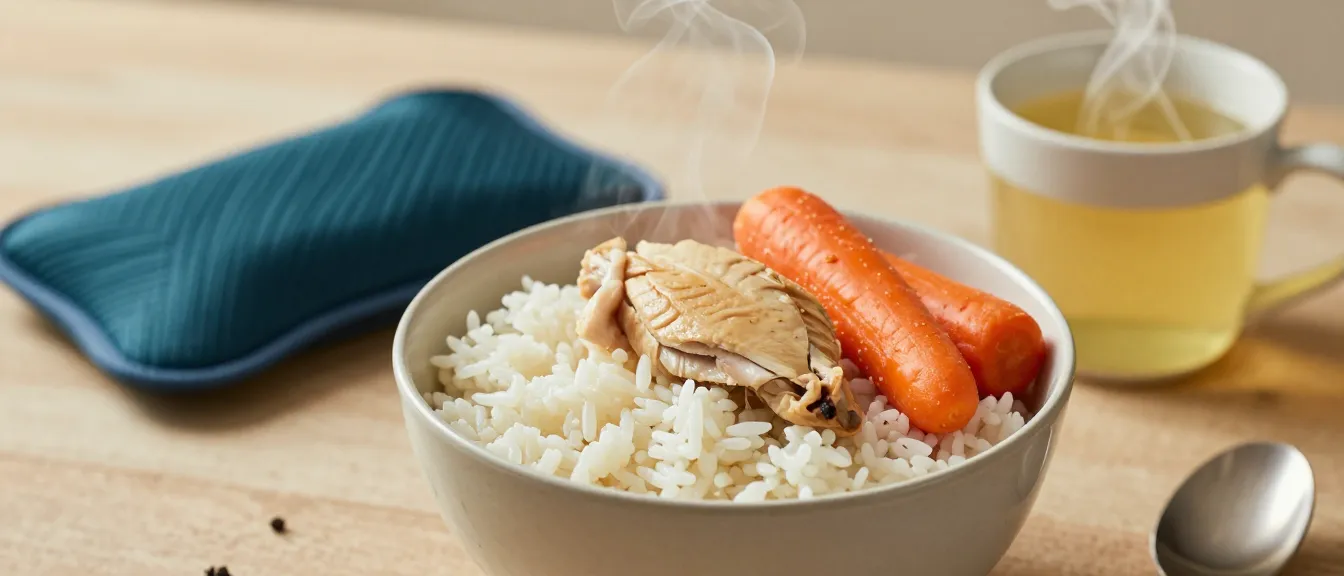
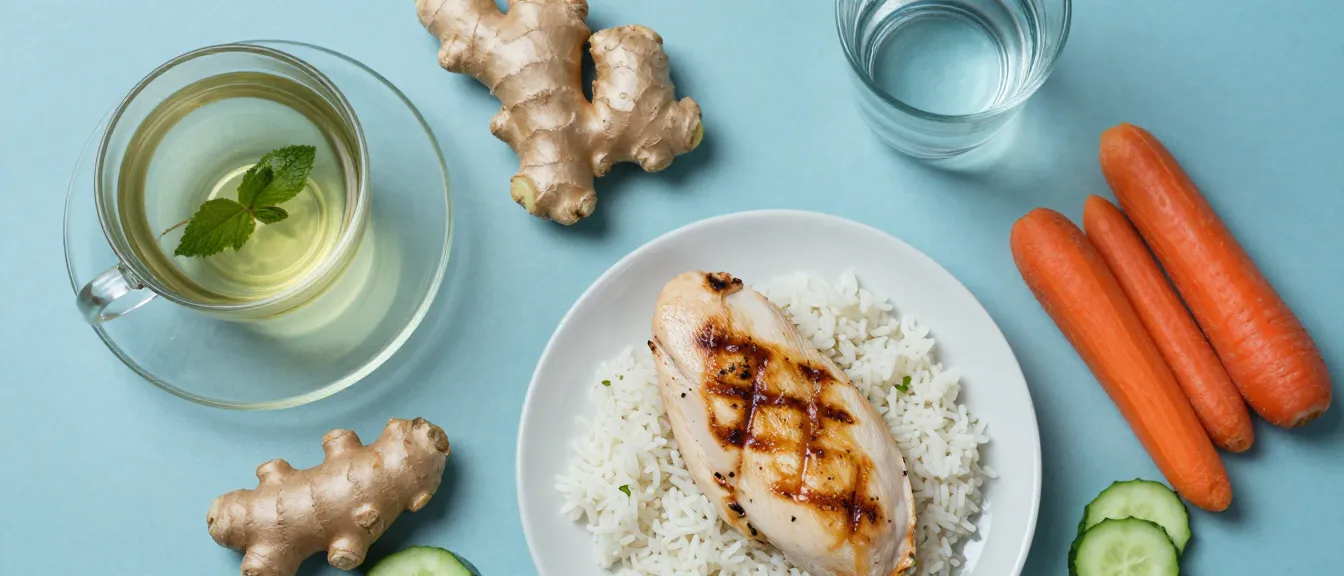
A simple meal idea: Grilled chicken or fish with cooked carrots and white rice uses ingredients that are commonly low FODMAP when plain. Check portions and seasonings against a current laboratory-tested source.
Key strategies for managing bloating long-term:
- Focus on easily digestible proteins and simple carbohydrates
- Choose low-gas vegetables like carrots, zucchini, and cucumber
- Cook vegetables instead of eating them raw
- Drink peppermint or ginger tea
- Eat smaller, more frequent meals
- Chew slowly and avoid swallowing air
- Stay physically active with gentle movement
- Manage stress through relaxation techniques
Follow Step 1 for the recommended 2–6 week period, then assess the result with your healthcare professional or dietitian. Read our elimination guide and nuanced explanation of FODMAP stacking. Track symptoms carefully and seek medical advice for persistent, severe or changing bloating.
Your Next Step: Build Your Anti-Bloating Plan
Feeling bloated right now? Start with the emergency meal above (protein + cooked carrots + white rice + peppermint tea), then browse our food database to plan your next few meals with confidence.
Planning meals for the week? Head to our low FODMAP recipes for bloating-friendly breakfasts, lunches, and dinners you can batch-cook.
Starting the low FODMAP diet? Read the elimination phase guide to follow the diet step by step — and learn about FODMAP stacking so hidden portion traps don’t slow your progress.
Disclaimer: This guide is for educational purposes only. If bloating is severe, sudden, or accompanied by other concerning symptoms (pain, vomiting, inability to pass gas), seek immediate medical attention. Always work with healthcare professionals for personalized advice.