· FODMAP Diet Guide · guides · 8 min read
What to Eat During an IBS Flare-Up: Safe Foods and Soothing Strategies
Learn what to eat during an IBS flare-up to minimize discomfort. Discover the gentlest low FODMAP foods, meal ideas, and strategies to help your gut recover quickly from symptom flare-ups.

What to Eat During an IBS Flare-Up: Safe Foods and Soothing Strategies
An IBS flare-up can feel overwhelming – sudden cramping, urgent bathroom trips, severe bloating, or debilitating pain. When your digestive system is in crisis mode, knowing what to eat (and what to avoid) can make the difference between prolonged suffering and quicker recovery. This guide will help you navigate the worst moments with gentle, low FODMAP foods and proven strategies.
Understanding IBS Flare-Ups
An IBS flare-up is a temporary worsening of symptoms that can be triggered by:
- High FODMAP foods – Even accidental consumption
- Stress and anxiety – The gut-brain connection is powerful
- Hormonal changes – Especially around menstruation
- Illness – Stomach bugs or other infections
- Lack of sleep – Disrupts gut function
- Travel – Changes in routine, food, and water
- Certain medications – Antibiotics, NSAIDs
- Caffeine or alcohol – Even in small amounts
During a flare, your intestines are hypersensitive and inflamed. Your goal is to eat foods that:
- Are extremely easy to digest
- Won’t ferment excessively
- Won’t irritate the intestinal lining
- Provide gentle nutrition
- Keep you hydrated
The Flare-Up Food Strategy
Phase 1: Acute Crisis (Days 1-2)
When symptoms are at their worst, think simple and gentle.
Priority: Rest your digestive system while maintaining hydration and basic nutrition.
Phase 2: Early Recovery (Days 3-5)
As symptoms begin to improve, gradually reintroduce gentle low FODMAP foods.
Priority: Slowly expand your diet while monitoring symptoms carefully.
Phase 3: Return to Baseline (Days 6-10)
Resume your regular low FODMAP elimination diet.
Priority: Get back to your normal eating pattern to continue identifying triggers.
Safest Foods During Acute Flare-Ups
Ultra-Gentle Proteins
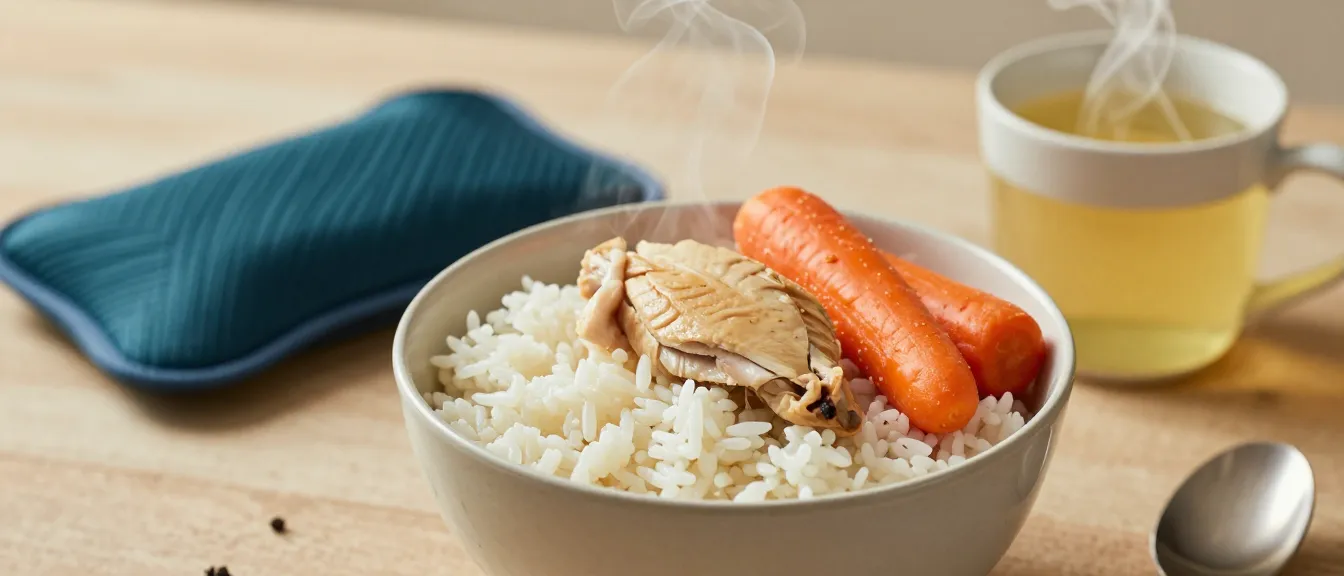
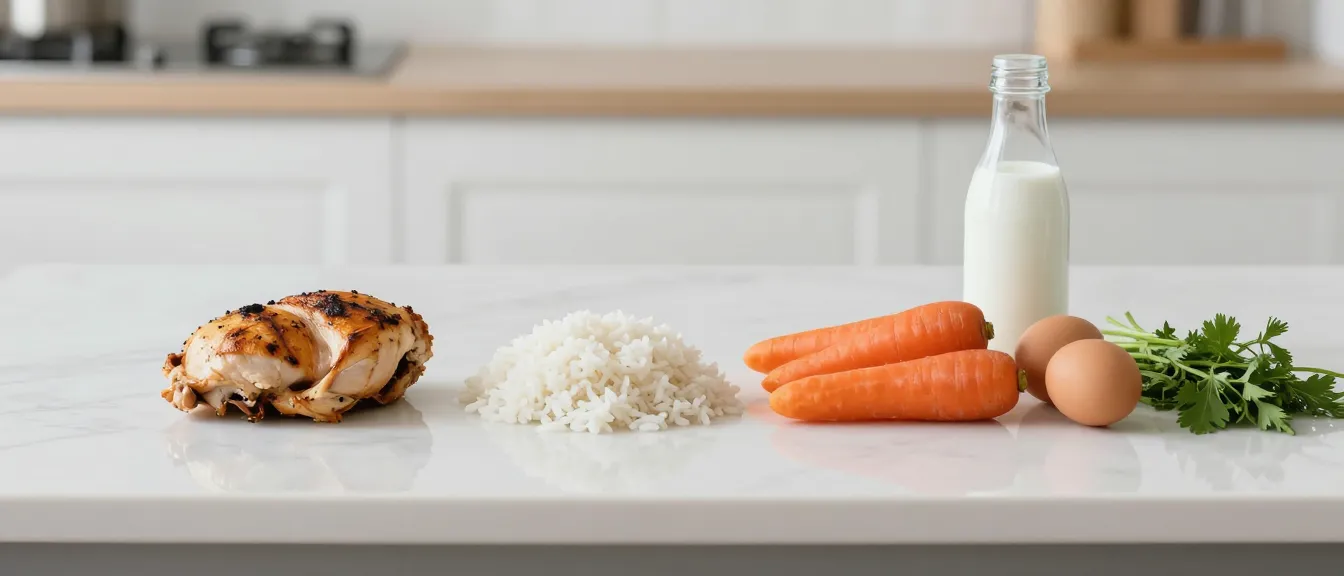
Plain Chicken Breast:
- Boiled or poached (not grilled with seasonings)
- Very easy to digest
- Minimal fat
- Good protein source
Preparation: Poach in plain water or low FODMAP broth for 20-25 minutes. Shred for easier eating.
White Fish:
- Cod, halibut, tilapia
- Baked or poached
- Very low fat
- Gentle on sensitive stomachs
Preparation: Bake at 375°F for 12-15 minutes with just a pinch of salt.
Eggs:
- Scrambled (cooked soft)
- Poached
- Hard-boiled
Why eggs work: Complete protein, easy to digest, versatile
Preparation: Use lactose-free butter or oil. Avoid adding milk, cheese, or vegetables during acute phase.
Turkey Breast:
- Deli turkey (without garlic/onion)
- Plain roasted turkey
- Ground turkey (lean)
Tofu (Optional):
- Firm tofu, well-drained
- Bland but gentle
- Good for vegetarians
Note: Some people don’t tolerate tofu during flares. Skip if unsure.
Soothing Carbohydrates
White Rice:
- The ultimate safe food
- Bland, easy to digest
- Binding (helpful for diarrhea)
- Can be eaten plain or with protein
Why it works: White rice is easily broken down, absorbed quickly, and rarely causes additional symptoms.
Preparation: Cook with extra water to make it softer and easier to digest.
Rice Noodles:
- Similar benefits to white rice
- More variety than plain rice
- Can be added to broth
White Potatoes (No Skin):
- Boiled or steamed
- Mashed with lactose-free milk and butter
- Very gentle starch
Why it works: Potatoes are bland, easily digestible, and provide energy without triggering symptoms.
Preparation: Peel completely, boil until very soft, mash with minimal seasonings.
Plain Rice Cakes:
- Ultra-bland
- Easy to nibble on
- Portable snack
- No preparation needed
Sourdough Spelt Toast:
- 1 slice at a time
- Lightly toasted
- With butter only
Why it works: Fermentation reduces fructans, making it more tolerable than regular bread.
White Bread (Gluten-Free):
- Check ingredients carefully
- No added high FODMAP ingredients
- Very bland and soft
Gentle Vegetables (Cooked Only)
Carrots (Well-Cooked):
- Boiled until very soft
- Easy to digest when cooked thoroughly
- Contains pectin (soluble fiber that soothes)
- Unlimited serving size
Preparation: Boil or steam for 15-20 minutes until fork-tender. Avoid raw carrots during flares.
Zucchini (Well-Cooked):
- Steamed or boiled
- Remove seeds if very sensitive
- Very mild vegetable
Preparation: Cook until very soft, almost mushy.
Spinach (Cooked):
- Wilted or steamed
- Easier to digest when cooked
- Rich in nutrients
- Unlimited when cooked
Pumpkin (Canned):
- ¼ cup serving
- Naturally soothing
- Easy to digest
- Can be warmed and eaten plain
Important: During acute flares, vegetables should be cooked until very soft. Raw vegetables are too difficult to digest.
Limited Safe Fruits
Most fruits should be avoided during acute flares, but these options may be tolerated:
Banana (Firm, Slightly Underripe):
- Easier to digest than ripe bananas
- Provides potassium (important if you’ve had diarrhea)
- Binding effect for loose stools
Why it works: Bananas contain pectin and resistant starch that can help normalize bowel movements.
Cantaloupe (Small Amount):
- Very ripe, soft cantaloupe
- Small pieces (¼ cup)
- High water content
Blueberries (Few at a Time):
- 10-15 berries maximum
- Provides gentle nutrients
- Easier than other fruits
Note: Many people prefer to avoid all fruit during acute flares. Listen to your body.
Healing Beverages
Water (Most Important)
Why it’s critical:
- Prevents dehydration from diarrhea
- Helps with constipation
- Flushes out irritants
- Supports healing
How much: Aim for 8-10 glasses per day, more if you have diarrhea
Tips:
- Room temperature is easier than ice cold
- Sip throughout the day
- Don’t gulp large amounts at once
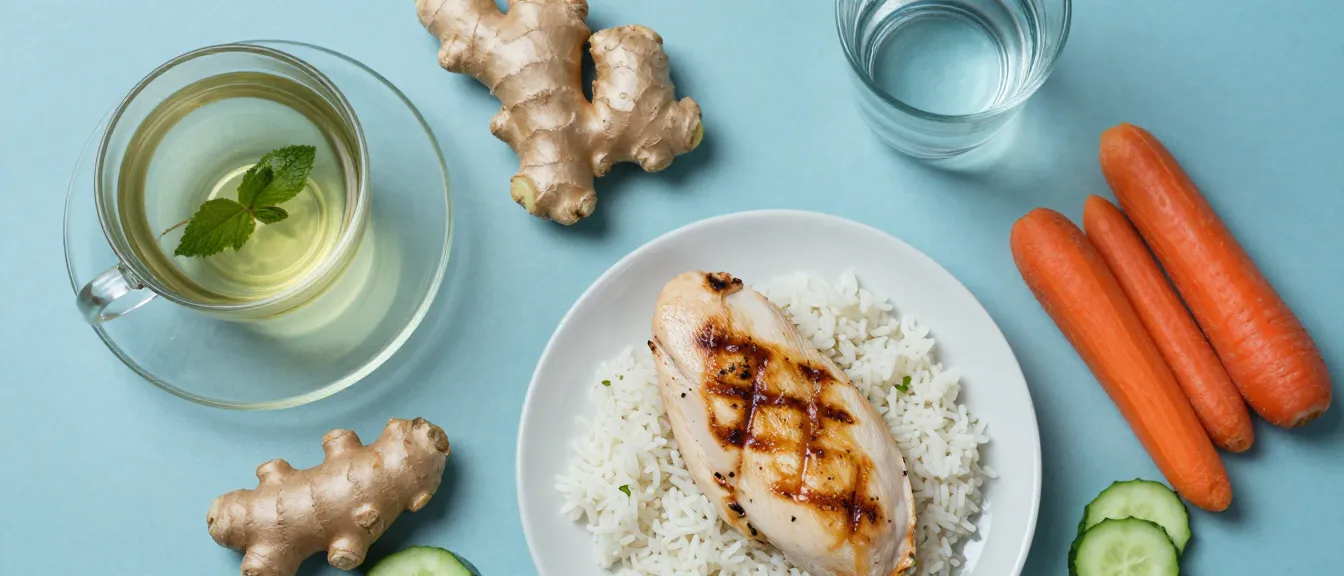
Peppermint Tea (Highly Recommended)
Benefits:
- Natural antispasmodic
- Reduces cramping and pain
- Relaxes intestinal muscles
- Reduces bloating
How to use:
- Drink 2-3 cups per day
- Use caffeine-free peppermint tea
- Can be consumed warm or cooled
Why it works: Peppermint oil relaxes smooth muscle in the GI tract, directly reducing spasms and pain.
Ginger Tea
Benefits:
- Reduces nausea
- Anti-inflammatory properties
- Aids digestion
- Calms the stomach
How to make:
- Fresh ginger sliced in hot water
- Steep for 10 minutes
- Can add a little sugar if needed
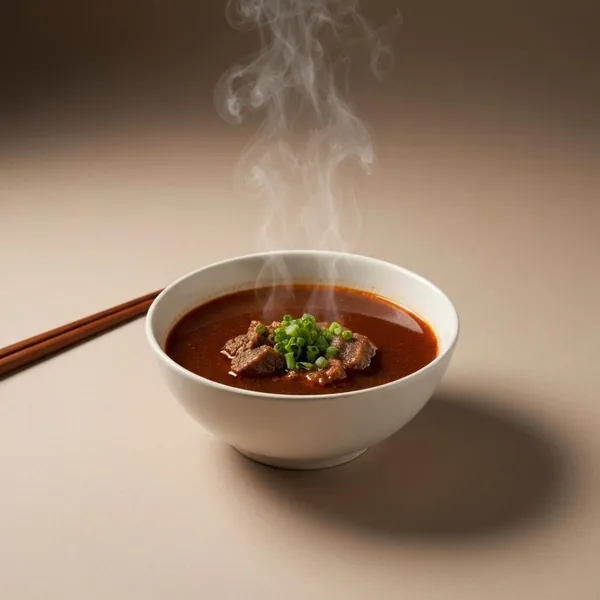
Bone Broth (Low FODMAP)
Benefits:
- Easily absorbed nutrients
- Hydrating
- Contains collagen and amino acids
- Soothing and warm
How to make:
- Simmer bones (chicken, beef) for 12-24 hours
- Add carrots, herbs (no onion/garlic)
- Strain well
- Sip warm
Store-bought option: Check ingredients carefully for onion/garlic. Pacific Foods and Kettle & Fire make low FODMAP options.
Electrolyte Drinks (Homemade)
When you need it: After significant diarrhea or vomiting
Simple recipe:
- 4 cups water
- 6 teaspoons sugar
- ½ teaspoon salt
- Optional: squeeze of lemon juice
Store-bought: Check for high FODMAP ingredients. Many sports drinks contain high-fructose corn syrup.
What to Avoid Drinking
During flares, skip:
- Coffee (even decaf can irritate)
- Caffeinated tea (more than weak black tea)
- Carbonated beverages (add gas)
- Alcohol (all types)
- Fruit juices (concentrated fructose)
- Coconut water (high in mannitol)
- Milk (even lactose-free can be heavy)
Foods to AVOID During Flare-Ups
All High FODMAP Foods
This should be obvious, but bears repeating:
- Onions, garlic (even traces)
- Wheat products
- Legumes
- High FODMAP fruits
- High lactose dairy
Even “Safe” Low FODMAP Foods May Be Too Much
Raw vegetables:
- Too fibrous and difficult to digest
- Can cause pain and bloating
- Wait until symptoms improve
Nuts and seeds:
- High in fat and fiber
- Hard to digest
- Can irritate inflamed intestines
Fried or fatty foods:
- Slow digestion
- Trigger increased gut motility
- Can worsen diarrhea
Spicy foods:
- Irritate intestinal lining
- Increase motility
- May worsen pain
Cruciferous vegetables (even low FODMAP amounts):
- Broccoli
- Cabbage
- Brussels sprouts
- Contain sulfur compounds that produce gas
High-fiber foods:
- Oats
- Chia seeds
- Flaxseeds
- Too much bulk during acute inflammation
Caffeine:
- Stimulates gut motility
- Can worsen diarrhea and urgency
- Increases anxiety (worsens symptoms)
Sample Meal Plans for IBS Flare-Ups
Day 1 (Acute Phase)
Breakfast:
- 1 scrambled egg with tiny pinch of salt
- 1 slice white gluten-free toast with butter
- Peppermint tea
Mid-Morning:
- Rice cakes (2-3)
- Water
Lunch:
- ½ cup white rice
- 3 oz poached chicken breast (plain)
- ½ cup well-cooked carrots
- Ginger tea
Afternoon:
- Small firm banana
- Water
Dinner:
- ½ cup white rice
- 3 oz baked white fish
- ½ cup steamed zucchini (very soft)
- Peppermint tea
Evening (if needed):
- Bone broth (1 cup)
Notes: Portions are small, foods are bland, everything is cooked until very soft.
Day 2 (Acute Phase)
Breakfast:
- ½ cup white rice with tiny bit of butter
- Peppermint tea
Mid-Morning:
- Rice cakes
- Small handful of blueberries (10-15)
Lunch:
- Rice noodle soup with bone broth
- 2 oz shredded chicken
- Well-cooked carrots
- Water
Afternoon:
- 1 slice sourdough spelt toast with butter
- Ginger tea
Dinner:
- 4 oz plain turkey breast
- Mashed white potato (no skin) with lactose-free milk
- ½ cup cooked spinach
- Peppermint tea
Evening:
- Bone broth if hungry
Day 4-5 (Recovery Phase)
Breakfast:
- 2 scrambled eggs with cooked spinach
- 1 slice sourdough spelt toast
- Weak black tea or peppermint tea
Mid-Morning:
- 10 strawberries
- Rice cakes
Lunch:
- Grilled chicken breast (4 oz)
- ½ cup quinoa
- Steamed carrots and zucchini
- Water
Afternoon:
- Lactose-free yogurt (plain)
- 15 blueberries
Dinner:
- Baked salmon
- ½ cup white rice
- Cooked green beans
- Small side salad (lettuce, cucumber)
- Peppermint tea
Beyond Food: Managing Flare-Ups
Rest and Stress Reduction
Why it matters: Stress directly worsens IBS symptoms through the gut-brain axis.
What to do:
- Take time off if possible
- Cancel non-essential commitments
- Practice deep breathing (4-7-8 technique)
- Try guided meditation apps (Calm, Headspace)
- Gentle yoga (child’s pose, supine twist)
- Avoid stressful conversations or situations
Heat Therapy
Why it works: Heat relaxes intestinal muscles and reduces cramping.
Options:
- Heating pad on abdomen (20 minutes at a time)
- Warm bath (not too hot)
- Hot water bottle
- Warm compress
Gentle Movement
Avoid: Intense exercise, running, high-impact activities
Try:
- Gentle walking (10-15 minutes)
- Light stretching
- Restorative yoga
- Deep breathing exercises
Why gentle movement helps: Promotes intestinal motility without stressing the system.
Abdominal Massage
Technique:
- Lie on your back
- Use gentle circular motions
- Follow clockwise direction (path of colon)
- 10-15 minutes
Benefits: Helps move gas, reduces bloating, promotes relaxation
Sleep and Recovery
Why it matters: Poor sleep worsens IBS symptoms; good sleep promotes healing.
Tips:
- Go to bed early
- Keep room cool and dark
- Avoid screens 1 hour before bed
- Try magnesium supplement (ask doctor first)
- Drink peppermint tea before bed
Medications (When Needed)
Over-the-counter options:
- Simethicone (Gas-X) for gas
- Loperamide (Imodium) for diarrhea (use cautiously)
- Smooth muscle antispasmodics (as prescribed)
When to call your doctor:
- Symptoms lasting more than 5-7 days
- Severe unrelenting pain
- Blood in stool
- High fever
- Inability to keep fluids down
- Signs of dehydration
Preventing Future Flare-Ups
Identify Your Triggers
Keep a detailed diary:
- Foods eaten
- Stress levels
- Sleep quality
- Menstrual cycle
- Medications
- Symptoms (type, timing, severity)
Look for patterns over weeks and months.
Build Resilience
Long-term strategies:
- Complete FODMAP reintroduction phase properly
- Develop stress management techniques
- Prioritize sleep hygiene
- Stay physically active regularly
- Consider gut-directed hypnotherapy
- Work with a therapist for IBS-related anxiety
- Maintain social connections and hobbies
Have an Emergency Kit
At home:
- Low FODMAP safe foods (rice, rice cakes, canned pumpkin)
- Peppermint tea
- Ginger tea
- Heating pad
- Over-the-counter medications
When traveling:
- Portable low FODMAP snacks
- Peppermint tea bags
- Electrolyte packets
- Antispasmodic medication (if prescribed)
- List of safe restaurants/foods
The Bottom Line
IBS flare-ups are unpredictable and distressing, but having a plan helps you recover faster and feel more in control.
Key principles during flares:
- Simplify: Choose bland, easily digestible foods
- Cook thoroughly: Everything should be soft and well-cooked
- Stay hydrated: Water and peppermint tea are your best friends
- Rest: Give your body time to heal
- Be patient: Recovery takes 3-7 days typically
- Don’t panic: Flares are temporary, not permanent setbacks
Remember that a flare-up doesn’t mean you’ve failed at managing your IBS. They happen to everyone with IBS, even those who follow the diet perfectly. The key is knowing how to support your body through the crisis and get back to baseline as quickly as possible.
With the right foods, stress management, and self-compassion, you’ll navigate flare-ups with greater confidence and less suffering.
Disclaimer: This guide is for educational purposes. Severe or prolonged symptoms require medical evaluation. If you experience warning signs (severe pain, blood in stool, fever, dehydration), seek immediate medical attention. Always consult with your healthcare provider about managing IBS flare-ups.