Is Pineapple Low FODMAP?
Discover if pineapple is safe on a low FODMAP diet, with generous serving sizes and digestive enzyme benefits for IBS management.
Pineapple is LOW FODMAP
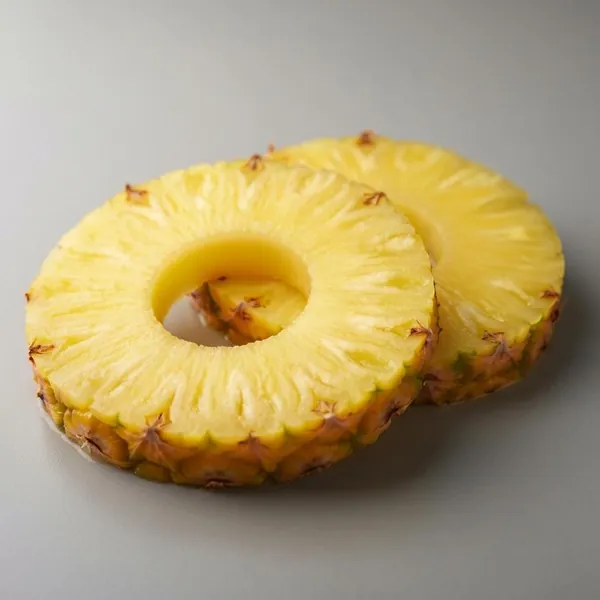
Reference portion: 1 cup fresh pineapple (140g)
Serving Information
| ✓ Low FODMAP reference portion | 1 cup fresh pineapple (140g) |
|---|---|
| ✗ High FODMAP at | 2+ cups (280g+) |
| FODMAP Types | |
Is Pineapple Low FODMAP?
Pineapple is low FODMAP. At a generous serving of 1 cup of fresh, peeled pineapple (140g), it is safe for most people following a low FODMAP diet. Pineapple becomes moderate FODMAP at higher servings, but one cup provides excellent nutrition, tropical flavor, and digestive benefits without triggering IBS symptoms in most people.
Even better, pineapple contains bromelain, a natural digestive enzyme that may actually help with protein digestion and reduce inflammation, making it one of the most IBS-friendly fruits available.
Safe Serving Size
| Serving | FODMAP Level | Notes |
|---|---|---|
| 1 cup fresh pineapple (140g) | Low | Safe for most people |
| 1.5 cups (210g) | Moderate | May cause symptoms |
| 2+ cups (280g+) | Moderate to High | Likely to trigger symptoms |
According to Monash University testing of fresh, peeled pineapple, the standard serving of 1 cup (140g) is low FODMAP and well-tolerated. This is one of the more generous fruit servings on the low FODMAP diet, comparable to blueberries and significantly larger than servings for apples, grapes, or mangoes.
Why Is Pineapple Well-Tolerated?
Pineapple has several characteristics that make it excellent for the low FODMAP diet:
Low in FODMAPs: Fresh pineapple contains minimal amounts of:
- Fructose (balanced with glucose)
- No significant polyols (sorbitol/mannitol)
- No fructans or GOS
- Well-balanced sugar composition
Contains bromelain: This proteolytic enzyme:
- Helps break down proteins in the digestive system
- May reduce inflammation in the gut
- Could aid overall digestion and reduce bloating
- Is one reason pineapple is sometimes used as a meat tenderizer
High water content: Dilutes any potential FODMAPs and aids hydration
Natural acidity: May help with protein digestion (though can be problematic for those with acid reflux)
Rich in vitamins and minerals: Provides substantial nutrition in a safe serving size
At 1 cup, pineapple offers one of the best combinations of generous serving size, low FODMAP content, and digestive benefits.
Tips for Eating Pineapple on Low FODMAP Diet
- Measure portions - One cup is generous but don’t exceed it in a single sitting. Use measuring cups or a kitchen scale (140g).
- Choose fresh when possible - Fresh pineapple has maximum bromelain content and best flavor
- Canned is acceptable - If using canned, choose pineapple in juice or water, not heavy syrup. Drain well.
- Frozen works too - Frozen pineapple chunks have the same FODMAP levels and are convenient for smoothies
- Space out servings - If you want pineapple twice in one day, space servings 3-4 hours apart to avoid FODMAP stacking
- Remove core if desired - The core is edible but tougher and more fibrous. Some people find it harder to digest.
- Use in cooking - Pineapple works in both sweet and savory dishes, from smoothies to stir-fries
- Pair with low FODMAP proteins - Pineapple pairs well with chicken, pork, shrimp, and tofu
Nutritional Benefits of Pineapple
Pineapple is a nutritional powerhouse:
Vitamin C: One cup provides more than 100% of your daily vitamin C needs:
- Immune system support
- Antioxidant protection
- Collagen production for skin and gut lining
- Enhanced iron absorption
Manganese: Very high in manganese, important for:
- Bone health
- Metabolism and energy production
- Antioxidant defenses
- Wound healing
Bromelain: Unique enzyme complex that:
- Aids protein digestion
- Has anti-inflammatory properties
- May reduce gut inflammation in IBS
- Could help with nutrient absorption
Other nutrients:
- Vitamin B6: Energy metabolism and brain function
- Thiamine (B1): Energy production
- Folate: Cell function and DNA synthesis
- Fiber: Supports digestive health
- Copper: Immune function and iron utilization
Low calorie: One cup contains only about 80 calories, making it great for weight management.
Hydration: Approximately 86% water content contributes to daily hydration.
Fresh vs Canned vs Frozen Pineapple
Fresh pineapple:
- Highest bromelain content
- Best flavor and texture
- Low FODMAP at 1 cup (140g)
- More expensive and requires preparation
- Peak nutrition when eaten fresh
Canned pineapple:
- Convenient and shelf-stable
- Low FODMAP if in juice or water (1 cup drained)
- Avoid pineapple in heavy syrup (high FODMAP sweeteners)
- Lower bromelain content (heat processing reduces enzymes)
- Choose brands with no added sugar
- Drain and rinse if desired to remove excess juice/sweetness
Frozen pineapple:
- Identical FODMAP content to fresh
- Very convenient for smoothies
- Available year-round
- Often pre-cut, saving preparation time
- Frozen at peak ripeness, preserving nutrients
- Good bromelain retention if frozen fresh
- Can be stored for months
Dried pineapple:
- Not tested by Monash University
- Likely concentrated in sugars similar to other dried fruits
- Often contains added sugar or sweeteners
- Best avoided during elimination phase
Pineapple juice:
- Some commercial pineapple juices may have added sweeteners
- 100% pineapple juice is likely low FODMAP at 1/2 cup (similar to orange juice)
- Lacks fiber of whole fruit
- Check labels for added sugars
How to Select and Prepare Pineapple
Selecting a ripe pineapple:
- Smell the bottom - should have sweet, tropical aroma
- Golden yellow color indicates ripeness (some green is okay)
- Leaves should be fresh and green
- Should feel heavy for its size (indicates juiciness)
- Give slightly when pressed (but not mushy)
- Pull a center leaf - if it comes out easily, pineapple is ripe
How to cut a pineapple:
- Cut off top (crown) and bottom
- Stand upright and slice off the skin in strips, following the curve
- Cut into quarters lengthwise
- Remove the core from each quarter (or leave it if you like the texture)
- Cut into chunks - 1 cup of chunks is your serving
Storage:
- Whole pineapple: Room temperature for 1-2 days, refrigerator for up to 4-5 days
- Cut pineapple: Refrigerate in airtight container for 3-4 days
- Frozen pineapple: Store in freezer for up to 6 months
Cooking and Using Pineapple
Pineapple is incredibly versatile in low FODMAP cooking:
Breakfast:
- Pineapple smoothie with lactose-free yogurt and firm banana
- Pineapple on gluten-free pancakes or waffles
- Tropical fruit salad with pineapple, kiwi, and strawberries
- Pineapple with low FODMAP granola and lactose-free yogurt
Savory dishes:
- Pineapple fried rice (use low FODMAP vegetables)
- Teriyaki chicken with pineapple chunks
- Hawaiian pizza with low FODMAP crust and lactose-free cheese
- Grilled pineapple alongside pork chops or salmon
- Pineapple salsa for fish tacos (with safe ingredients)
- Sweet and sour dishes (watch other FODMAP ingredients)
Salads:
- Spinach salad with pineapple, macadamia nuts, and ginger dressing
- Asian slaw with pineapple and sesame dressing
- Quinoa salad with pineapple and cucumber
Desserts and snacks:
- Grilled pineapple with cinnamon
- Pineapple sorbet or popsicles
- Chocolate-dipped pineapple chunks
- Pineapple upside-down cake (with low FODMAP flour and ingredients)
- Fresh pineapple with chili powder and lime (Mexican style)
Drinks:
- Pineapple smoothies (with safe ingredients)
- Pineapple-infused water
- Virgin piña colada (watch coconut milk FODMAP limits)
- Pineapple juice in mocktails or cocktails
Bromelain: The Digestive Enzyme in Pineapple
Bromelain is what makes pineapple special for digestive health:
What is bromelain?
- A group of proteolytic enzymes (break down proteins)
- Found primarily in pineapple stem and fruit
- Highest concentration in fresh, raw pineapple
- Reduced by heat (cooking, canning) but some remains
Digestive benefits:
- Helps break down dietary proteins
- May reduce bloating and gas from protein-rich meals
- Could improve nutrient absorption
- May soothe digestive discomfort
Anti-inflammatory properties:
- Research shows bromelain has anti-inflammatory effects
- May help reduce gut inflammation in IBS and IBD
- Could support overall gut health
- Studied for various inflammatory conditions
How to maximize bromelain:
- Eat fresh pineapple when possible
- Consume it with or after protein-rich meals
- Don’t overcook pineapple (heat denatures enzymes)
- The core has high bromelain but is tough to eat
Note: Some people find pineapple’s acidity and enzymes irritating, especially on an empty stomach or with acid reflux. If you experience mouth tingling or burning, this is from bromelain breaking down proteins in your mouth - harmless but uncomfortable for some.
Pineapple for Different IBS Types
IBS-D (diarrhea predominant):
- A tested lower FODMAP serving may fit some people’s plan; verify the current serving in the Monash app
- Bromelain may aid protein digestion
- Fiber content is moderate and usually well-tolerated
- Monitor individual response
IBS-C (constipation predominant):
- Pineapple provides fiber to support regularity
- Hydration from water content helps
- Bromelain aids digestion
- Can be part of a fiber-rich diet
IBS-M (mixed type):
- Generally safe at recommended serving
- Monitor for individual triggers
- Bromelain benefits apply to all IBS types
IBS-A (alternating):
- Start with smaller amounts if concerned
- Work up to 1 cup if well-tolerated
- Track symptoms in food diary
Pineapple vs Other Tropical Fruits
How does pineapple compare to other tropical fruits on the low FODMAP diet?
| Fruit | Low FODMAP Serving | Notes |
|---|---|---|
| Pineapple | 1 cup (140g) | Generous serving, digestive enzymes |
| Mango | 2 teaspoons (9g) | Very high FODMAP, avoid |
| Papaya | 1/2 cup (70g) | Good option, contains papain enzyme |
| Dragon fruit | 1 cup (200g) | Excellent option, generous serving |
| Passion fruit | 3 fruits | Flavorful but seedy |
| Kiwi | 2 medium fruits | Great option, high vitamin C |
| Guava | 1/2 medium (45g) | Limited serving |
Pineapple offers one of the best combinations of generous serving size and tropical flavor, rivaled only by dragon fruit.
Common Pineapple Myths and Facts
Myth: “Pineapple will tenderize your stomach lining.” Fact: While bromelain can break down proteins, your stomach acid is much stronger. Eating pineapple won’t damage your stomach, though some people find it irritating if they have acid reflux or eat it on an empty stomach.
Myth: “Fresh pineapple makes gelatin not set.” Fact: True! Bromelain prevents gelatin from setting. You must cook pineapple first to denature the enzymes, or use canned pineapple (already heat-treated).
Myth: “The tingling sensation means you’re allergic.” Fact: The tingling/burning sensation is from bromelain breaking down proteins in your mouth. It’s normal and harmless, though uncomfortable. True pineapple allergy involves hives, swelling, or difficulty breathing.
Myth: “Pineapple is too acidic for IBS.” Fact: While pineapple is acidic, it’s low FODMAP and well-tolerated by most people with IBS. If you have concurrent acid reflux (GERD), you might find it irritating, but this is separate from FODMAPs.
Myth: “You can eat unlimited pineapple because it’s healthy.” Fact: Stick to 1 cup per serving. Larger amounts become moderate FODMAP and may cause symptoms. Everything in moderation.
Pineapple During Different Diet Phases
Elimination phase (weeks 1-6):
- Pineapple is safe to eat at 1 cup daily
- Excellent fruit option during restrictive phase
- Provides tropical variety when other fruits are limited
- Digestive enzyme benefits are bonus
Reintroduction phase:
- Since pineapple is low FODMAP, it doesn’t need reintroduction
- Can test tolerance of 1.5-2 cups to establish personal threshold
- Useful as a “safe baseline” food during testing of other foods
Personalization/maintenance phase:
- Continue enjoying 1 cup servings regularly
- If you tolerated larger amounts during testing, can include occasionally
- Remains a staple low FODMAP fruit long-term
Scientific Research on Pineapple
FODMAP testing: Monash University testing confirms pineapple is well-tolerated at 1 cup in people with IBS
Bromelain research: Multiple studies demonstrate bromelain’s protein-digesting and anti-inflammatory properties
Digestive benefits: Research suggests bromelain may help reduce bloating and support protein digestion
Nutrient content: Studies confirm pineapple’s high vitamin C and manganese content
Anti-inflammatory effects: Bromelain has been studied for reducing inflammation in various conditions, including digestive issues
Safety profile: Fresh pineapple is safe for most people; heat-processed (canned) pineapple has reduced enzyme activity
Frequently Asked Questions
Can I eat pineapple every day on a low FODMAP diet?
Yes, 1 cup of fresh pineapple daily is safe and provides excellent nutrition. It’s a great fruit to include regularly during all phases of the low FODMAP diet.
Is pineapple core low FODMAP?
The core is part of the fruit and included in the 1-cup serving. It’s edible but very fibrous and tough. Some people remove it for texture, others eat it for maximum bromelain. Either way is fine within the 1-cup limit.
Why does my mouth tingle after eating pineapple?
Bromelain is breaking down proteins in your mouth. This is normal and harmless. The sensation goes away after a few minutes. If you experience swelling, hives, or breathing difficulty, that’s an allergic reaction - seek medical help.
Can I use pineapple to help digest a high-protein meal?
Yes! Eating fresh pineapple with or after a protein-rich meal may aid digestion thanks to bromelain. This is why pineapple is often served with ham or used in marinades for meat.
Is grilled pineapple still low FODMAP?
Yes, grilling doesn’t change FODMAP content. Heating reduces bromelain activity but the pineapple remains low FODMAP at 1 cup. Caramelized grilled pineapple is delicious!
Can I drink pineapple juice on a low FODMAP diet?
100% pineapple juice without added sweeteners is likely low FODMAP at 1/2 cup (similar to orange juice), but hasn’t been specifically tested. Fresh juice is better than commercial with additives. Whole fruit is preferable for fiber.
Are there different pineapple varieties with different FODMAP levels?
Common varieties (smooth cayenne, queen, red Spanish) likely have similar FODMAP levels. Monash testing doesn’t specify variety, but FODMAPs in pineapple are consistently low across types.
Can children eat pineapple on a low FODMAP diet?
Yes, pineapple is safe for children following a pediatric low FODMAP diet for IBS. The same 1-cup serving applies, which is generous for a child’s snack.
Does pineapple help with constipation?
Pineapple provides fiber and water content that can support regular bowel movements. Bromelain may aid overall digestion. However, if you have IBS-C, you’ll need multiple dietary strategies, not just one fruit.
Can I eat pineapple during pregnancy while on low FODMAP?
Yes, pineapple is safe during pregnancy and provides excellent vitamin C and other nutrients. There’s an old myth that pineapple causes labor, but you’d need to eat huge amounts of fresh pineapple for any effect - 1 cup daily is perfectly safe.
What if I have both IBS and acid reflux (GERD)?
Pineapple is acidic and may trigger reflux symptoms in some people. If you have both conditions, try eating pineapple earlier in the day (not before bed) and monitor your individual response. The FODMAP content is low, but acidity is a separate consideration.
Frequently Asked Questions
Is pineapple low FODMAP?
Yes, fresh pineapple is low FODMAP at 1 cup (140g). It becomes moderate FODMAP at larger servings, but one cup provides a generous, satisfying portion that's safe for most people with IBS.
What is the safe serving size for pineapple?
The safe serving is 1 cup of fresh, peeled pineapple chunks (140g). This is one of the more generous fruit servings on the low FODMAP diet.
Does pineapple help with digestion?
Yes, pineapple contains bromelain, a natural enzyme that helps break down proteins and may aid digestion. This makes pineapple particularly beneficial for people with IBS.
Can I eat canned pineapple on a low FODMAP diet?
Yes, if canned in juice or water. Avoid pineapple canned in heavy syrup which contains high FODMAP sweeteners. Drain and rinse if needed, and stick to the same 1-cup serving limit.