Is Strawberries Low FODMAP?
Discover if strawberries are safe on a low FODMAP diet, with safe serving size guidance, nutritional benefits, and tips for managing IBS symptoms.
Strawberries is MODERATE FODMAP
Reference portion: 5 medium strawberries (65g)
Serving Information
| ✓ Low FODMAP reference portion | 5 medium strawberries (65g) |
|---|---|
| ✗ High FODMAP at | 6 medium strawberries (75g) |
| FODMAP Types |
|
Is Strawberries Low FODMAP?
Strawberries are low FODMAP in small servings. At 5 medium strawberries (65g), they are safe for most people following a low FODMAP diet. However, at 6 or more strawberries (75g+), they become moderate FODMAP due to excess fructose, which may trigger symptoms in people with IBS.
The good news is that strawberries are one of the more FODMAP-friendly berries, making them an excellent choice for adding natural sweetness and nutrients to your low FODMAP meals and snacks.
Safe Serving Size
| Serving | FODMAP Level | Fructose Content |
|---|---|---|
| 5 medium strawberries (65g) | Low | Well-tolerated |
| 6 medium strawberries (75g) | Moderate | Excess fructose |
| Higher servings | Moderate to High | May trigger symptoms |
According to Monash University, the safe serving size is 5 medium strawberries (about 1/3 cup or 65g). This contains low levels of fructose that most people can absorb without digestive distress.
Why Do Strawberries Contain Fructose?
Strawberries contain fructose, a type of monosaccharide (simple sugar) that occurs naturally in fruit. Fructose can be problematic for people with IBS for these reasons:
Excess fructose: When a food contains more fructose than glucose, the excess fructose can be difficult to absorb in the small intestine. In strawberries, the fructose-to-glucose ratio becomes unfavorable at larger servings.
Malabsorption: Many people with IBS have fructose malabsorption, meaning their small intestine cannot efficiently absorb excess fructose. The unabsorbed fructose then travels to the large intestine where it ferments, causing:
- Bloating and gas
- Abdominal pain and cramping
- Diarrhea or changes in bowel movements
- General digestive discomfort
At 5 medium strawberries, the fructose content is low enough that most people can absorb it without issues, especially since strawberries also contain glucose which aids fructose absorption.
Tips for Eating Strawberries on Low FODMAP Diet
- Count your berries - Measure out exactly 5 medium strawberries per serving. It’s easy to mindlessly eat more, so pre-portion into containers.
- Choose medium-sized berries - Very large strawberries count as more than one serving. When in doubt, weigh your portion (65g maximum).
- Avoid FODMAP stacking - Don’t combine strawberries with other moderate FODMAP fruits in the same meal. Space them out throughout the day.
- Fresh or frozen both work - Frozen strawberries have identical FODMAP content to fresh and are great for smoothies or baking.
- Watch for added sugars - Strawberry products like jams, syrups, and yogurts often contain high FODMAP sweeteners. Stick to fresh or plain frozen berries.
- Pair with low FODMAP foods - Enjoy strawberries with lactose-free yogurt, low FODMAP granola, or firm bananas to create balanced snacks.
- Time your servings - Eat strawberries as part of a meal rather than on an empty stomach to improve tolerance.
Nutritional Benefits of Strawberries
Strawberries pack impressive nutrition into a low FODMAP serving:
- Vitamin C: One serving (5 strawberries) provides about 50% of your daily vitamin C needs, supporting immune function and skin health
- Antioxidants: Rich in anthocyanins and ellagic acid, which fight inflammation and oxidative stress
- Fiber: Provides dietary fiber for digestive health (within low FODMAP limits)
- Manganese: Important for bone health and metabolism
- Folate: Supports cell function and is especially important during pregnancy
- Low calorie: Only about 20 calories per 5-berry serving makes them ideal for weight management
Low FODMAP Alternatives to Strawberries
If you find you’re sensitive to strawberries or want more variety, try these low FODMAP fruits:
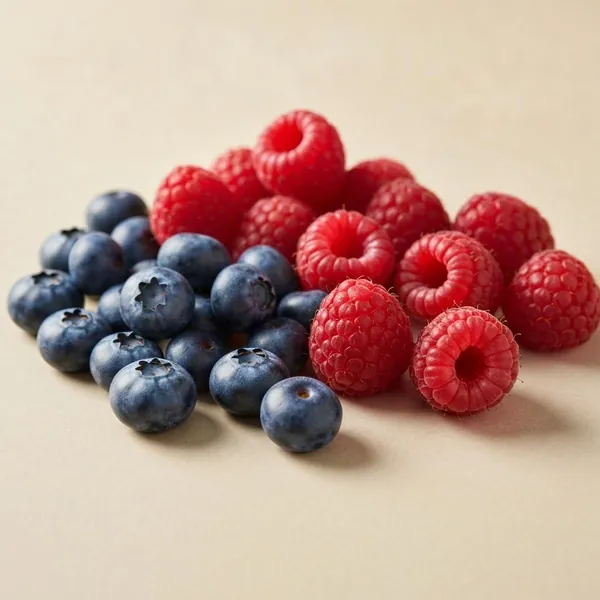
- Blueberries - Low FODMAP at 1 cup (125g), excellent antioxidant content with no FODMAP concerns
- Raspberries - Low FODMAP at 10 berries (60g), similar texture and sweetness
- Kiwi fruit - Low FODMAP at 2 medium kiwis, high in vitamin C
- Oranges - Low FODMAP at 1 medium orange, great citrus option
- Grapes - Low FODMAP at 6 grapes, though serving is smaller than strawberries
- Cantaloupe - Low FODMAP at 3/4 cup, refreshing and sweet
Different Forms of Strawberries
Fresh strawberries: The recommended form for low FODMAP eating. Easy to portion and measure.
Frozen strawberries: Identical FODMAP content to fresh. Great for smoothies, baking, or topping oatmeal. Measure while frozen (5 medium berries or 65g).
Dried strawberries: Not tested by Monash, but likely concentrated in FODMAPs similar to other dried fruits. Best avoided during elimination phase.
Strawberry jam: Most commercial jams contain high FODMAP sweeteners like high fructose corn syrup or excess sugar. Only use low FODMAP certified brands.
Strawberry juice: Concentrated source of fructose without the fiber. Generally not recommended on low FODMAP diet.
Strawberry flavoring: Artificial strawberry flavoring typically doesn’t contain FODMAPs, but check labels for added sweeteners.
Cooking and Baking with Strawberries
Strawberries can be enjoyed in many low FODMAP recipes:
Smoothies: Blend 5 strawberries with 1 firm banana, lactose-free milk, and ice for a refreshing breakfast
Salads: Slice strawberries over spinach with low FODMAP vinaigrette, feta cheese, and walnuts
Oatmeal topping: Add fresh or thawed frozen strawberries to low FODMAP oats with maple syrup
Low FODMAP shortcake: Make gluten-free biscuits with appropriate flour and top with strawberries and lactose-free whipped cream
Strawberry sauce: Simmer strawberries with a low FODMAP sweetener for pancake or dessert topping
Baked goods: Add to low FODMAP muffins, scones, or quick breads (calculate total per serving)
Frozen treats: Blend frozen strawberries for sorbet or popsicles with low FODMAP sweeteners
Strawberries vs Other Berries for FODMAP
How do strawberries compare to other berries on the low FODMAP diet?
- Blueberries: More generous serving (1 cup) and always low FODMAP - best choice for berries
- Raspberries: Similar serving size (10 raspberries/60g) with polyol concerns at higher amounts
- Blackberries: Moderate FODMAP at 1/4 cup due to polyols - smaller serving than strawberries
- Cranberries: Low FODMAP at 1/4 cup dried, but rarely eaten fresh
- Strawberries: Moderate serving (5 berries) with fructose concerns at higher amounts
If you want the most generous berry serving, blueberries are your best bet. But strawberries still offer a reasonable portion for most low FODMAP needs.
Growing Your Own Strawberries
For FODMAP dieters, growing strawberries can ensure access to fresh, additive-free fruit:
- Strawberry plants are easy to grow in gardens or containers
- Pick berries when fully red and ripe for best flavor
- Homegrown strawberries tend to be smaller, allowing slightly more berries per serving
- Growing your own eliminates concerns about pesticides and additives
- Fresh-picked strawberries have maximum vitamin C and antioxidant content
Scientific Research on Strawberries and Gut Health
Research highlights both benefits and considerations for strawberries:
FODMAP testing: Monash University’s rigorous testing determined safe low FODMAP portions through breath hydrogen testing and clinical trials
Polyphenol content: Strawberries contain beneficial polyphenols that may support gut microbiome diversity and reduce inflammation
Fructose malabsorption studies: Research shows approximately 30-40% of people have some degree of fructose malabsorption, making portion control important
Anti-inflammatory effects: Studies suggest strawberry compounds may help reduce intestinal inflammation in IBD and IBS
Strawberry Buying and Storage Tips
Selecting strawberries:
- Choose firm, bright red berries with fresh green caps
- Avoid mushy, moldy, or overly soft strawberries
- Smaller berries often have more intense flavor
- Organic reduces pesticide exposure (strawberries are on the “Dirty Dozen” list)
Storage:
- Don’t wash until ready to eat (moisture promotes mold)
- Store in refrigerator in original container with ventilation
- Use within 3-5 days for best quality
- Freeze extras in single layer, then transfer to freezer bag (stays good for months)
Frequently Asked Questions
Can I eat strawberries every day on a low FODMAP diet?
Yes, you can eat 5 medium strawberries daily during the elimination phase, but vary your fruit choices to get diverse nutrients and prevent FODMAP stacking across the day.
What if I accidentally eat 7-8 strawberries?
Monitor your symptoms. Some people may tolerate slightly higher amounts, while others might experience bloating or discomfort. If symptoms occur, reduce portion next time and ensure adequate time between FODMAP-containing foods.
Are chocolate-covered strawberries low FODMAP?
It depends on the chocolate. Dark chocolate is low FODMAP at 5 squares (30g), milk chocolate contains lactose. Make your own with low FODMAP dark chocolate and 5 strawberries for a safe treat.
Can I use strawberries in my morning smoothie?
Yes, a smoothie with 5 strawberries, 1 firm banana, lactose-free milk, and ice is a great low FODMAP breakfast option.
Do organic strawberries have different FODMAP levels?
No, FODMAP content is the same whether organic or conventional. However, organic reduces pesticide exposure, which some people with sensitive digestive systems prefer.
Can I eat strawberries during the reintroduction phase?
Strawberries can help test fructose tolerance during reintroduction. Try increasing from 5 to 10 berries to see if you react to the higher fructose load, waiting 3 days between tests.
Frequently Asked Questions
Are strawberries low FODMAP?
Strawberries are low FODMAP at a serving of 5 medium berries (65g), but become moderate FODMAP at 6 medium berries (75g) due to excess fructose content.
What is the safe serving size for strawberries?
The safe serving is 5 medium strawberries (65g). At this portion, fructose levels remain low enough for most people with IBS to tolerate.
Why do strawberries contain fructose?
Strawberries naturally contain fructose, a monosaccharide sugar. In larger servings, the fructose content exceeds glucose, making it harder to absorb and potentially triggering IBS symptoms in sensitive individuals.
Can I eat frozen strawberries on a low FODMAP diet?
Yes, frozen strawberries have the same FODMAP content as fresh. Stick to the same 5 medium berry (65g) serving limit whether using fresh or frozen.