Is Pea Protein Low FODMAP?
Learn whether pea protein isolate is safe on a low FODMAP diet, how it differs from whole peas, and which protein powders are FODMAP-friendly.
Pea Protein is LOW FODMAP
Reference portion: 2 tablespoons (24g)
Serving Information
| ✓ Low FODMAP reference portion | 2 tablespoons (24g) |
|---|---|
| FODMAP Types |
|
Is Pea Protein Low FODMAP?
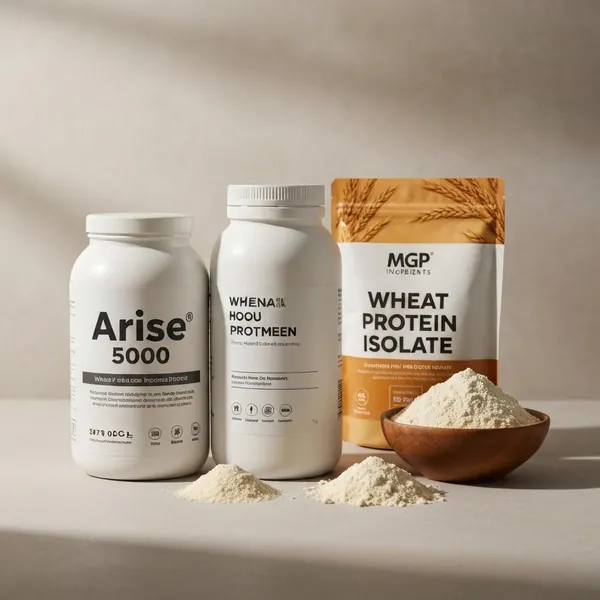
Yes, pea protein isolate is LOW FODMAP. This is one of the most important distinctions in the FODMAP world: while whole green peas are high FODMAP due to their GOS (galacto-oligosaccharides) and fructan content, pea protein isolate has had these problematic carbohydrates removed during processing. According to Monash University, pea protein isolate (specifically Vitessence Pulse 1803 pea protein isolate) is low FODMAP at servings up to 75 grams, making it a safe and versatile plant-based protein for people managing IBS symptoms.
If you have been avoiding pea protein because peas are high FODMAP, the good news is that you can confidently add pea protein isolate powder back into your diet. The key word here is isolate — not all pea protein products are created equal, and understanding the difference can make or break your low FODMAP success.
Safe Serving Size
| Product Type | Serving Size | FODMAP Level |
|---|---|---|
| Pea protein isolate | 2 tablespoons (24g) | Low |
| Pea protein isolate | Up to 75g | Low |
| Pea protein concentrate | Varies | May be moderate to high |
| Whole green peas | 1/4 cup (28g) | High |
| Canned green peas | 1/4 cup (28g) | High |
A standard serving of 2 tablespoons (approximately 24 grams) of pea protein isolate is well within the low FODMAP range. Monash University testing has confirmed that some pea protein isolate products remain low FODMAP at servings as high as 75 grams, which is far more than most people would use in a single shake or recipe.
That said, sticking to the recommended serving size on your protein powder label is the safest approach, especially during the elimination phase of the low FODMAP diet. If you are new to pea protein, start with a smaller amount and gradually increase to make sure your body tolerates it well.
Why Is Pea Protein Different from Whole Peas?
This is where many people get confused, and understandably so. Whole green peas are rated high FODMAP by Monash University, with an overall FODMAP rating of 3 out of 3 due to significant amounts of GOS and fructans. So how can a product made from peas be low FODMAP?
The answer lies in the isolation process. When pea protein isolate is manufactured, the peas go through extensive processing that separates the protein from the carbohydrates, fiber, and other components of the whole pea. The FODMAPs in peas — specifically GOS and fructans — are types of carbohydrates. By stripping away the carbohydrate fraction, the isolation process also removes the vast majority of FODMAPs.
Think of it this way:
- Whole peas = protein + carbohydrates (including FODMAPs) + fiber + fat
- Pea protein isolate = concentrated protein with most carbohydrates (and FODMAPs) removed
This is similar to how whey protein isolate is low FODMAP even though regular milk contains lactose. The processing removes the problematic sugars while preserving the protein.
The result is a product that typically contains 80-90% protein by weight, with minimal residual carbohydrates and therefore minimal FODMAP content.
Types of Pea Protein: Isolate vs Concentrate
Not all pea protein products are processed the same way. Understanding the differences is critical for staying safe on a low FODMAP diet.
Pea Protein Isolate
- Protein content: Typically 80-90% by weight
- Processing: Extensive extraction to remove carbohydrates, fat, and fiber
- FODMAP status: Low FODMAP at standard and even generous serving sizes
- Best for: Low FODMAP dieters, those with IBS, anyone needing a clean protein source
Pea Protein Concentrate
- Protein content: Typically 55-75% by weight
- Processing: Less refined, retains more of the original pea components
- FODMAP status: May contain higher levels of GOS and fructans; not guaranteed low FODMAP
- Best for: General use, but approach with caution on a low FODMAP diet
Pea Flour
- Protein content: Lower, around 20-25%
- Processing: Simply ground peas with minimal processing
- FODMAP status: Likely high FODMAP, as it retains most of the original pea carbohydrates
- Best for: Avoid during the elimination phase of a low FODMAP diet
The bottom line: Always look for “pea protein isolate” on the label, not “pea protein concentrate” or “pea flour.” The word isolate is your signal that the FODMAPs have been removed.
Low FODMAP Protein Powder Brands
Several protein powder brands have been certified low FODMAP by Monash University or have been independently tested and confirmed safe. Here are some options to look for:
Monash University Certified or Tested Brands
- Amazonia Raw Protein Isolate — Certified low FODMAP, plant-based pea protein isolate
- Superflora Protein Powder — Low FODMAP certified, designed for gut-sensitive individuals
- Drink Wholesome Protein Powder — Uses simple, whole food ingredients with low FODMAP formulations
Other Brands to Consider
- Nuzest Clean Lean Protein — European golden pea protein isolate, widely used in the low FODMAP community
- FODY Foods Protein Powder — From the makers of other popular low FODMAP products
- Orgain Organic Protein — Some formulations may be suitable; check individual labels carefully
What to Look for on the Label
When choosing a pea protein powder for a low FODMAP diet, the label matters more than the brand name:
- “Pea protein isolate” listed as the primary or only ingredient
- No inulin or chicory root fiber — These are high FODMAP prebiotics often added to protein powders
- No FOS (fructo-oligosaccharides) — Another high FODMAP prebiotic additive
- No honey or agave — High FODMAP sweeteners
- No apple or pear juice concentrate — High in excess fructose
- Minimal additional ingredients — The simpler the better
How to Use Pea Protein on a Low FODMAP Diet
Pea protein isolate is incredibly versatile. Here are some delicious and FODMAP-friendly ways to incorporate it into your diet.
Smoothies and Shakes
Smoothies are the most popular way to use pea protein. Try these low FODMAP combinations:
- Berry Blast: Pea protein + almond milk + strawberries + blueberries + ice
- Green Machine: Pea protein + almond milk + spinach + banana (1/3 medium, unripe) + chia seeds
- Tropical: Pea protein + lactose-free milk + pineapple (1 cup) + shredded coconut
- Chocolate: Pea protein (chocolate flavor) + almond milk + peanut butter (2 tablespoons) + ice
Baking
Pea protein can replace some of the flour in baked goods for a protein boost:
- Add 2-3 tablespoons to pancake or waffle batter (use gluten-free flour)
- Mix into muffin recipes with safe fruits like blueberries or strawberries
- Stir into oatmeal or overnight oats (use quick oats, 1/2 cup dry)
- Blend into energy balls with oats, peanut butter, and maple syrup
Cooking
- Stir into soups or stews for added protein (unflavored varieties work best)
- Mix into scrambled eggs for extra protein
- Add to homemade pasta sauce or curry
- Use in homemade protein bars or granola
Post-Workout Recovery
Pea protein is an excellent post-workout option. Its amino acid profile supports muscle recovery, and the low FODMAP status means you do not have to worry about digestive distress after exercise — a common concern for people with IBS who exercise regularly.
Comparing Protein Powders for Low FODMAP
If you are trying to decide which protein powder to use on a low FODMAP diet, here is how pea protein stacks up against other popular options:
| Protein Type | FODMAP Status | Protein per 30g | Dairy-Free | Vegan | Notes |
|---|---|---|---|---|---|
| Pea protein isolate | Low | 24-27g | Yes | Yes | Best plant-based option |
| Whey protein isolate | Low | 25-27g | No | No | Lactose removed; safe for most |
| Whey protein concentrate | High | 20-24g | No | No | Contains lactose; avoid |
| Collagen peptides | Low | 10-12g | Yes | No | No FODMAPs; incomplete protein |
| Rice protein | Low | 20-24g | Yes | Yes | Safe but less complete amino profile |
| Egg white protein | Low | 22-25g | Yes | No | FODMAP-free; good alternative |
| Soy protein isolate | Low | 23-27g | Yes | Yes | Isolate is safe; check for additives |
| Hemp protein | Low | 12-15g | Yes | Yes | Lower protein content; earthy taste |
| Casein | High | 24-26g | No | No | Contains lactose; avoid |
Key takeaway: Pea protein isolate and whey protein isolate are both excellent choices. If you prefer plant-based or need to avoid dairy entirely, pea protein isolate is your best bet. If dairy is not a concern, whey protein isolate is equally safe and offers a slightly more complete amino acid profile.
For those who eat eggs, egg white protein powder is another reliable FODMAP-free option. And tofu, while not a powder, is a firm-processed soy product that is also low FODMAP and provides quality plant protein.
Tips for Choosing a Safe Pea Protein Powder
Navigating the protein powder aisle can be overwhelming, especially when you are trying to avoid FODMAP triggers. Here is a practical guide to help you pick the right product.
Read the Ingredient List Carefully
The ingredient list is more important than the front label. Watch out for these common high FODMAP additives:
- Inulin — A prebiotic fiber derived from chicory root; very high in fructans
- Chicory root fiber — Same as inulin; very common in protein powders and bars
- FOS (fructo-oligosaccharides) — Another high FODMAP prebiotic
- Honey — High in excess fructose
- Agave syrup or nectar — Very high in excess fructose
- Apple juice concentrate — High in excess fructose
- Milk powder or milk solids — Contains lactose
- Garlic or onion powder — Sometimes used in savory protein blends
- Sugar alcohols (sorbitol, mannitol, xylitol) — Polyols that can trigger symptoms
Safe Sweeteners and Additives
These ingredients are generally low FODMAP and safe in protein powders:
- Stevia — Non-FODMAP natural sweetener
- Monk fruit extract — Non-FODMAP natural sweetener
- Sucralose — Artificial sweetener; low FODMAP
- Cane sugar (small amounts) — Sucrose is low FODMAP
- Maple syrup (small amounts) — Low FODMAP at 2 tablespoons
- Cocoa or cacao powder — Low FODMAP at 2-3 tablespoons
- Vanilla extract — Low FODMAP
- Salt — FODMAP-free
Start Simple
If you are in the elimination phase, choose the simplest product possible — ideally one with pea protein isolate as the only ingredient, or with just a few recognizable additions. You can always try flavored varieties later during the reintroduction phase once you understand your personal triggers.
Nutritional Benefits of Pea Protein
Pea protein isolate is not just safe for a low FODMAP diet — it is also a nutritional powerhouse.
Complete Amino Acid Profile
Pea protein contains all nine essential amino acids, making it a complete protein source. It is particularly rich in:
- Branched-Chain Amino Acids (BCAAs) — Leucine, isoleucine, and valine, which are important for muscle recovery and growth
- Arginine — Supports blood flow and cardiovascular health
- Lysine — Often lacking in other plant proteins; important for tissue repair
While pea protein is slightly lower in methionine compared to whey, this can easily be balanced by eating other protein sources throughout the day, such as rice, eggs, or seeds.
Iron Content
Pea protein is a good source of plant-based iron. A typical serving provides about 5-8 mg of iron, which is 28-44% of the recommended daily intake. This is especially beneficial for vegetarians and vegans who may struggle to get enough iron from their diet.
Other Nutritional Highlights
- High protein density — 80-90% protein by weight in isolate form
- Low in fat — Typically less than 2g per serving
- Cholesterol-free — Unlike some animal protein sources
- Allergen-friendly — Free from dairy, gluten, soy, and eggs (common allergens)
- Easily digestible — The isolation process improves digestibility compared to whole peas
- Sustainable — Peas require less water and generate fewer greenhouse gases than animal protein sources
Muscle Building and Recovery
Research has shown that pea protein is comparable to whey protein for supporting muscle growth when consumed in adequate amounts. A 2015 study published in the Journal of the International Society of Sports Nutrition found that pea protein supplementation produced similar gains in muscle thickness compared to whey protein during resistance training.
Pea Protein and Other Digestive Considerations
Beyond FODMAPs, there are a few digestive factors worth noting:
Fiber Content
Pea protein isolate contains very little fiber compared to whole peas. While fiber is generally healthy, too much can worsen symptoms for some people with IBS. The low fiber content of pea protein isolate means it is less likely to cause digestive discomfort.
Phytic Acid
Whole peas contain phytic acid, which can reduce mineral absorption. The isolation process significantly reduces phytic acid levels, making the minerals in pea protein more bioavailable.
Lectins
Some people worry about lectins in legumes. Pea protein isolate has much lower lectin content than whole peas due to the processing involved. For most people, this is not a concern at all.
Frequently Asked Questions
Can I have pea protein during the elimination phase?
Yes, pea protein isolate is safe during the strict elimination phase of the low FODMAP diet. Just make sure you are using a product labeled as “pea protein isolate” with no high FODMAP additives, and stick to standard serving sizes.
What if pea protein still bothers my stomach?
If you experience symptoms after consuming pea protein isolate, consider these possibilities: the product may contain high FODMAP additives (check the label), you may be using a concentrate rather than an isolate, or you may have a separate sensitivity to pea protein unrelated to FODMAPs. Try a different brand with fewer ingredients, or consult a FODMAP-trained dietitian.
Is pea protein safe for children on a low FODMAP diet?
Pea protein isolate can be used for children following a low FODMAP diet, but serving sizes should be adjusted based on age and nutritional needs. Always work with a pediatric dietitian when putting children on a restricted diet.
Can I mix pea protein with other protein powders?
Absolutely. Combining pea protein with rice protein is a popular strategy because the two complement each other’s amino acid profiles — pea protein provides lysine while rice protein provides methionine. Look for blended products or mix your own, keeping total serving sizes within low FODMAP limits.
How does pea protein compare to chickpea protein?
Chickpeas, like whole peas, are high FODMAP in standard servings. Chickpea protein isolate may also be lower in FODMAPs than whole chickpeas, but it has not been as extensively tested as pea protein isolate. If you want a legume-based protein that has solid FODMAP testing behind it, pea protein isolate is the safer choice.
Does the flavor of pea protein matter for FODMAP content?
The base pea protein isolate is low FODMAP regardless of whether it is unflavored, vanilla, or chocolate. However, the flavorings and sweeteners added to flavored varieties could introduce FODMAPs. Always check the full ingredient list of flavored products for high FODMAP additives like inulin, honey, or sugar alcohols.
The Bottom Line
Pea protein isolate is a safe, nutritious, and versatile protein source for people following a low FODMAP diet. While whole green peas are high FODMAP due to their GOS and fructan content, the isolation process removes these problematic carbohydrates, leaving behind a concentrated protein that Monash University has confirmed is low FODMAP at servings up to 75 grams. When shopping for pea protein, look for products labeled as “isolate” rather than “concentrate,” and carefully check ingredient lists for common high FODMAP additives like inulin, chicory root fiber, and honey. With a standard serving of 2 tablespoons (24g), you can enjoy pea protein in smoothies, baked goods, and meals with confidence that it will not trigger your IBS symptoms.
Frequently Asked Questions
Is pea protein low FODMAP?
Yes, pea protein isolate is low FODMAP. The isolation process removes most of the FODMAPs found in whole peas, making pea protein powder safe for most people following a low FODMAP diet.
How much pea protein can I have on a low FODMAP diet?
A standard serving of 2 tablespoons (about 24g) of pea protein isolate is low FODMAP. Some products have been tested safe at up to 75g, but stick to recommended serving sizes.
Are whole peas and pea protein the same for FODMAP?
No. Whole green peas are high FODMAP due to GOS and fructans, but pea protein isolate has these FODMAPs removed during processing, making it low FODMAP.
What is the difference between pea protein isolate and concentrate?
Pea protein isolate undergoes more processing to remove carbohydrates (including FODMAPs), resulting in higher protein content and lower FODMAP levels. Pea protein concentrate retains more of the original pea and may contain higher FODMAP levels.
Which protein powder brands are low FODMAP certified?
Several brands carry Monash University low FODMAP certification or have been independently tested, including Amazonia Raw Protein Isolate, Superflora, and Drink Wholesome protein powders.
Can I use pea protein in smoothies on a low FODMAP diet?
Yes, pea protein isolate is great in smoothies. Blend with low FODMAP milk like almond milk, safe fruits like strawberries or blueberries, and spinach for a nutritious FODMAP-friendly smoothie.
Is pea protein better than whey for IBS?
Both can work on a low FODMAP diet. Whey protein isolate is also low FODMAP as the lactose is removed. Pea protein is a good plant-based alternative if you prefer to avoid dairy.
Does pea protein cause bloating?
Pea protein isolate should not cause bloating for most people on a low FODMAP diet, as the FODMAP-containing carbohydrates have been removed. If you experience bloating, try a smaller serving or switch to a certified low FODMAP brand.