Is Grapes Low FODMAP?
Learn if grapes are safe on a low FODMAP diet, with strict serving size limits due to high fructose content and IBS symptom triggers.
Grapes is HIGH FODMAP
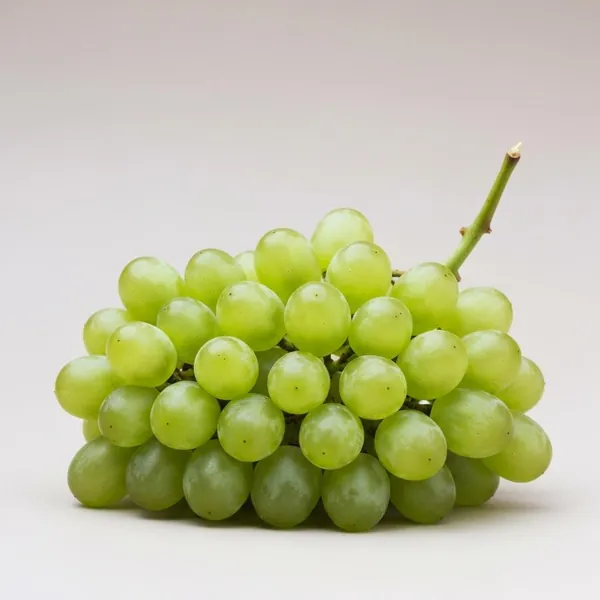
Reference portion: 6 grapes (10g)
Serving Information
| ✓ Low FODMAP reference portion | 6 grapes (10g) |
|---|---|
| ✗ High FODMAP at | 15 grapes (75g) |
| FODMAP Types |
|
Is Grapes Low FODMAP?
Grapes are high FODMAP at typical serving sizes. Only 6 grapes (10g) is considered low FODMAP, while 3 grapes (15g) already becomes moderate FODMAP, and a standard serving of 15 grapes (75g) is high FODMAP. The culprit is excess fructose - grapes contain significantly more fructose than glucose, making them one of the more problematic fruits for people with IBS and fructose malabsorption.
For most people following a low FODMAP diet, grapes are best avoided during the elimination phase or saved for reintroduction testing, as the tiny safe serving size is impractical and unsatisfying.
Safe Serving Size
| Serving | FODMAP Level | Fructose Content |
|---|---|---|
| 6 grapes (10g) | Low | Minimal, tolerated |
| 3 grapes (15g) | Moderate | Excess fructose present |
| 15 grapes (75g) | High | High excess fructose |
| 1 cup grapes (150g) | High | Very high, avoid |
According to Monash University, the low FODMAP serving size is only 6 small to medium grapes (approximately 10g). At just 3 grapes (15g), the fructose content already reaches moderate levels, and at 15 grapes (a typical snack portion), fructose levels are high enough to trigger symptoms in most people with IBS.
Why Are Grapes High in Fructose?
Grapes contain fructose, a monosaccharide sugar that occurs naturally in fruit. The problem with grapes is the fructose-to-glucose ratio:
Excess fructose: Grapes contain significantly more fructose than glucose. When fructose exceeds glucose in a food, the small intestine struggles to absorb the excess. Glucose helps transport fructose across the intestinal wall, but when there’s too much fructose relative to glucose, absorption fails.
What happens to unabsorbed fructose:
- It travels to the large intestine/colon
- Gut bacteria ferment the fructose
- Fermentation produces gas (hydrogen, methane, carbon dioxide)
- This causes bloating, distension, and abdominal discomfort
- It can also trigger diarrhea or changes in bowel habits
- Many people experience cramping and pain
Fructose malabsorption: An estimated 30-40% of people have some degree of fructose malabsorption, meaning they cannot efficiently absorb fructose even in moderate amounts. For these individuals, grapes are particularly problematic.
The small safe serving size (6 grapes) keeps the fructose load low enough for most people to absorb, but this portion is so tiny that many people choose other fruits instead.
Tips for Avoiding or Managing Grapes on Low FODMAP Diet
- Skip grapes during elimination - With such a small safe serving, most dietitians recommend avoiding grapes entirely during the 2-6 week elimination phase.
- Choose better fruit options - Blueberries (1 cup), oranges (1 medium), or firm bananas (1 medium) offer much more generous servings.
- Watch for hidden grapes - Grapes appear in fruit salads, yogurt parfaits, salads, and as garnishes. Always check before eating.
- Avoid grape juice - Grape juice is even more concentrated in fructose and is high FODMAP. Choose low FODMAP juices like orange juice (1/2 cup) instead.
- Say no to raisins - Dried grapes are concentrated FODMAPs. Even a small amount (1 tablespoon) is high FODMAP.
- Test during reintroduction - If you love grapes, test fructose tolerance during reintroduction by gradually increasing from 6 to 10 to 15 grapes over several days.
- Don’t FODMAP stack - If you do eat 6 grapes, avoid other fructose-containing foods in the same meal or snack.
Why the Tiny Serving Size Makes Grapes Impractical
Six grapes is an extremely small portion - roughly the size of a small handful:
- Not satisfying: Most people can eat 6 grapes in two bites, making it an unsatisfying snack
- Hard to limit: Grapes are designed to be eaten by the bunch; stopping at 6 requires significant willpower
- Poor value: At the price of grapes, paying for such a tiny serving seems wasteful
- Social challenges: At parties or gatherings, limiting yourself to 6 grapes while others enjoy full portions is difficult
- Better alternatives exist: Other fruits offer 10-20x larger servings for the same FODMAP load
For these reasons, most low FODMAP dietitians recommend choosing other fruits during elimination and considering grapes as an occasional small treat only if you tolerate fructose well.
Grape Varieties and FODMAP Content
Monash University tested green/white seedless grapes. While other varieties haven’t been formally tested, the fructose content is likely similar across all grape types:
Green/white grapes: Tested by Monash, high FODMAP at normal servings
Red/purple grapes: Not tested, but likely similar FODMAP levels (same fructose issue)
Black grapes: Not tested, likely high FODMAP
Cotton candy grapes: Extra sweet variety, likely even higher in fructose and worse for FODMAPs
Concord grapes: Not tested, but very sweet, suggesting high fructose
Wine grapes: Not typically eaten fresh, but would have similar fructose issues
All grape varieties are best approached with caution on a low FODMAP diet.
Grapes vs Raisins and Dried Fruit
Fresh grapes: High FODMAP at 15 grapes (75g), low only at 6 grapes (10g)
Raisins (dried grapes): Even more concentrated in fructose. One tablespoon (14g) is high FODMAP and should be avoided.
Sultanas/golden raisins: Same as raisins, high FODMAP and concentrated fructose
Currants (dried): Similar to raisins, high FODMAP at small servings
The drying process removes water, concentrating the sugars and FODMAPs. If fresh grapes are problematic, dried grapes (raisins) are even worse for IBS symptoms.
Low FODMAP Alternatives to Grapes
If you love grapes but need low FODMAP options, try these satisfying alternatives:
Best alternatives with generous servings:
- Blueberries - Low FODMAP at 1 cup (125g), similar bite-sized convenience
- Strawberries - Low FODMAP at 5 medium berries (65g), sweet and refreshing
- Cantaloupe - Low FODMAP at 3/4 cup diced (120g), similar sweetness
- Kiwi - Low FODMAP at 2 medium fruits, tropical sweetness
- Oranges - Low FODMAP at 1 medium orange, juicy and sweet
Other options:
- Firm banana - Low FODMAP at 1 medium, portable and satisfying
- Pineapple - Low FODMAP at 1 cup fresh (140g), tropical and sweet
- Dragon fruit - Low FODMAP at 1 cup, exotic and colorful
These alternatives provide much larger servings and are more practical for snacking and recipes.
Grape Products to Avoid on Low FODMAP Diet
Grape juice: Concentrated fructose, high FODMAP even in small amounts
Wine: Most dry wines are low FODMAP (1 glass), but sweet dessert wines may contain residual sugars
Grape jelly/jam: High FODMAP due to concentrated grapes and often added high fructose corn syrup
Raisins/dried grapes: High FODMAP at even 1 tablespoon
Grape soda: High FODMAP from added sugars and sometimes real grape juice
Fruit snacks made with grape juice: High FODMAP, check labels
Grape flavoring: Artificial grape flavor typically doesn’t contain FODMAPs, but check for added sweeteners
Can You Build Fructose Tolerance?
Some people can gradually increase their fructose tolerance through the reintroduction phase:
Reintroduction protocol for grapes:
- Day 1: Eat 6 grapes (low FODMAP serving), monitor symptoms for 24-48 hours
- Day 4: If no symptoms, try 10 grapes (moderate), monitor for 24-48 hours
- Day 7: If tolerated, try 15 grapes (high FODMAP serving)
- Assess: Can you tolerate the larger serving without symptoms?
Possible outcomes:
- Some people find they can tolerate 10-15 grapes without issues
- Others react even to the low FODMAP serving
- Your personal tolerance determines if grapes can be part of your long-term diet
Work with a FODMAP-trained dietitian to guide your reintroduction process.
Nutritional Considerations
Despite their FODMAP issues, grapes do offer nutritional benefits:
Antioxidants: Grapes contain resveratrol (especially in red/purple varieties), quercetin, and other polyphenols that fight inflammation and oxidative stress
Vitamins and minerals:
- Vitamin C
- Vitamin K
- Potassium
- B vitamins
Heart health: The polyphenols in grapes may support cardiovascular health
Hydration: Grapes are about 80% water
However, these nutrients are also available in low FODMAP fruits that you can eat in larger quantities, making grapes less essential on a restricted diet.
Grapes in Recipes and Cooking
If you choose to use grapes in low FODMAP cooking, measure carefully:
Fruit salad: Count out 6 grapes per person and combine with generous amounts of blueberries, strawberries, and cantaloupe
Chicken salad: A few grapes (6 per serving) can add sweetness, but consider using diced apple (low FODMAP at 1/2 cup Red Delicious) instead
Roasted grapes: Roasting doesn’t change FODMAP content. Still limit to 6 grapes per serving.
Cheese board: Include 6 grapes as part of a varied selection with low FODMAP crackers, cheese, and other fruits
Frozen grapes: Freezing doesn’t change FODMAP levels. Still high FODMAP at normal servings.
In most cases, substituting a more FODMAP-friendly fruit makes recipes more practical and satisfying.
Scientific Research on Grapes and Fructose
FODMAP testing: Monash University’s breath hydrogen testing clearly demonstrated that grapes cause fermentation at servings above 6 grapes in people with IBS
Fructose absorption studies: Research shows wide variation in fructose absorption capacity among individuals, explaining why some people react to even small amounts
Health benefits research: While grapes have been studied for cardiovascular and cognitive benefits, these studies typically use amounts that would be high FODMAP
Gut microbiome: The polyphenols in grapes may beneficially affect gut bacteria, but the fructose fermentation may outweigh benefits for IBS sufferers
Frequently Asked Questions
Can I eat grapes if I don’t have fructose malabsorption?
During the elimination phase, avoid grapes regardless. During reintroduction, test fructose tolerance. If you handle fructose well, you may tolerate larger grape servings than 6 grapes.
Are seedless grapes different from seeded grapes for FODMAPs?
The seeds don’t significantly affect FODMAP content. Both seedless and seeded grapes have the same fructose issues.
What about wine made from grapes?
Most dry wines (red, white, sparkling) are low FODMAP at 1 glass (150ml) because fermentation converts sugars to alcohol. Sweet dessert wines may retain residual sugars and could be problematic.
Can I drink grape juice instead?
No, grape juice is even more concentrated in fructose than whole grapes and is high FODMAP. Avoid during elimination phase.
Are organic grapes lower in FODMAPs?
No, FODMAP content is the same whether conventional or organic. Organic reduces pesticide exposure but doesn’t change the fructose levels.
Why can I eat apples but not grapes when both have fructose?
It depends on the variety and serving size. Some apples (like Pink Lady) are low FODMAP at larger servings (1/2 cup or 75g) while grapes are problematic at even 15 grapes. Your individual tolerance also varies.
Can children eat grapes on a low FODMAP diet?
The same 6-grape limit applies to children following a low FODMAP diet for pediatric IBS. Note that grapes are also a choking hazard for children under 5; cut them in half or quarters.
What if I accidentally eat a whole bunch of grapes?
Monitor your symptoms over the next 24-48 hours. You may experience bloating, gas, abdominal pain, or diarrhea. Stay hydrated, avoid other FODMAPs, and symptoms should resolve within 1-2 days. Resume your low FODMAP diet.
Frequently Asked Questions
Are grapes low FODMAP?
Grapes are high FODMAP at normal serving sizes. Only 6 grapes (10g) is considered low FODMAP, while 3 grapes (15g) becomes moderate FODMAP and a standard serving of 15 grapes (75g) is high FODMAP due to excess fructose.
What is the safe serving size for grapes?
The safe low FODMAP serving is only 6 grapes (10g). This is a very small portion, and most people find it difficult to stick to this limit.
Why are grapes high in FODMAPs?
Grapes contain high levels of excess fructose - more fructose than glucose. This excess fructose is poorly absorbed in the small intestine and ferments in the colon, causing IBS symptoms like bloating, gas, and abdominal pain.
Can I eat raisins instead of grapes on a low FODMAP diet?
No, raisins are dried grapes and even more concentrated in fructose. A tablespoon of raisins (14g) is considered high FODMAP and should be avoided during the elimination phase.