Is Milk Low FODMAP?
Learn whether cow's milk is safe on a low FODMAP diet, including safe serving sizes, lactose content, and the best low FODMAP milk alternatives.
Milk is HIGH FODMAP
Reference portion: 60g (¼ cup)
Serving Information
| ✓ Low FODMAP reference portion | 60g (¼ cup) |
|---|---|
| ✗ High FODMAP at | 257g (1 cup) |
| FODMAP Types |
|
Is Milk Low FODMAP?
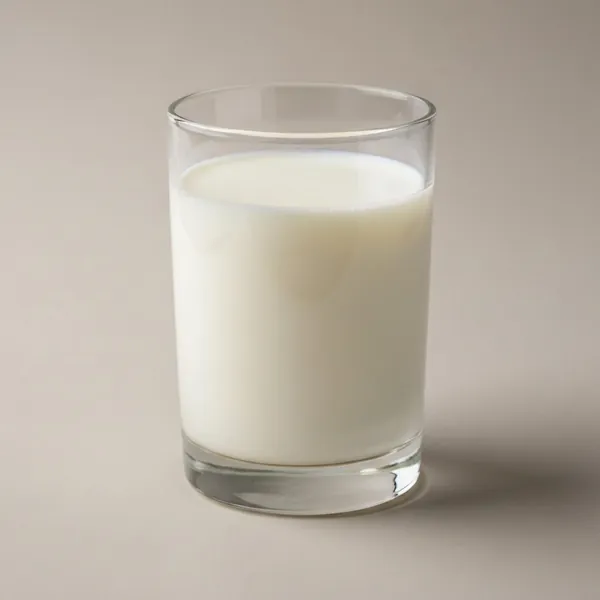
Regular cow’s milk is high FODMAP. At a standard serving of 1 cup (250ml), cow’s milk contains high amounts of lactose and will likely trigger symptoms in people with IBS who malabsorb lactose. However, at a smaller serving of ¼ cup (60ml), milk becomes moderate FODMAP and may be tolerable for some people.
Fortunately, lactose-free cow’s milk is widely available and is low FODMAP, allowing you to enjoy milk in full servings without digestive issues.
Safe Serving Size
| Serving | FODMAP Level | Notes |
|---|---|---|
| 60ml (¼ cup) | Moderate | May be tolerated in small amounts |
| 250ml (1 cup) | High | Likely to trigger symptoms |
| Lactose-free milk (1 cup+) | Low | Safe for most people with IBS |
According to Monash University, the moderate FODMAP serving size for regular cow’s milk is 60ml (¼ cup or about 2 tablespoons). At the standard serving of 250ml (1 cup), milk is high FODMAP and likely to cause symptoms in those who are lactose intolerant.
This applies to all types of cow’s milk:
- Whole milk (regular fat) - High FODMAP at 1 cup
- Reduced-fat milk (2%) - High FODMAP at 1 cup
- Skim milk (non-fat) - High FODMAP at 1 cup
- A2 milk - Still high FODMAP (lactose is the issue, not A1/A2 protein)
Why Does Milk Contain FODMAPs?
Milk contains lactose, a naturally occurring sugar found in all mammalian milk. Lactose is a disaccharide made of glucose and galactose. To digest lactose, your body needs the enzyme lactase, which breaks lactose down into these simpler sugars for absorption.
Many people with IBS don’t produce enough lactase, especially as they age. This is called lactose malabsorption or lactase deficiency. When lactose isn’t broken down:
- Undigested lactose moves into the large intestine
- Bacteria ferment the lactose, producing gas
- Lactose draws water into the intestine (osmotic effect)
- Symptoms occur: bloating, gas, cramping, diarrhea, and abdominal pain
Lactose Content Across Milk Types
All cow’s milk contains similar amounts of lactose, regardless of fat content:
- Whole milk: ~5g lactose per 100ml
- Reduced-fat milk: ~5g lactose per 100ml
- Skim milk: ~5g lactose per 100ml
- A2 milk: ~5g lactose per 100ml (same as regular milk)
The fat content doesn’t affect lactose levels—only lactose-free processing or plant-based alternatives reduce or eliminate lactose.
Low FODMAP Milk Options
Best Low FODMAP Milk Choices
-
Lactose-free cow’s milk - Low FODMAP; tastes like regular milk
- Available in whole, reduced-fat, and skim varieties
- Lactase enzyme is added to break down lactose
- Safe in full servings (1 cup or more)
-
Almond milk - Low FODMAP
- Safe in full servings (1 cup or more)
- Naturally lactose-free
- Lower in protein than cow’s milk
-
Rice milk - Low FODMAP
- Safe in full servings
- Thin consistency; low in protein
-
Macadamia milk - Low FODMAP
- Creamy texture
- Safe in full servings
-
Coconut milk (canned or UHT unsweetened) - Low to moderate FODMAP
- Canned coconut milk (regular): Low FODMAP
- UHT sweetened coconut milk: Moderate FODMAP
- Check labels for additives
-
Hemp milk - Low FODMAP
- Safe in full servings
- Good source of omega-3s
Milk to Avoid or Limit
-
Regular cow’s milk - High FODMAP
- Limit to ¼ cup (60ml) or less
-
Soy milk (made from soybeans) - High FODMAP
- Contains GOS (galacto-oligosaccharides)
- Limit to small servings
-
Oat milk - High FODMAP
- Contains GOS and fructans
- Avoid in larger servings
-
Coconut milk with inulin - High FODMAP
- Inulin is a high FODMAP fiber
- Check ingredient labels carefully
-
Evaporated milk - High FODMAP
- Concentrated lactose content
-
Sweetened condensed milk - High FODMAP
- Very high in lactose and sugar
Tips for Choosing Low FODMAP Milk
- Read ingredient labels - Avoid milk with added inulin, chicory root fiber, or high FODMAP sweeteners
- Choose unsweetened - Sweetened versions may contain high FODMAP sugars or sugar alcohols
- Look for “lactose-free” - If choosing cow’s milk, lactose-free is the safest option
- Check serving sizes - Even low FODMAP milks can become high FODMAP in very large quantities
- Fortified is best - Choose fortified plant-based milks for added calcium and vitamin D
- Shake well - Plant-based milks can separate; shake before using
Cooking and Baking with Low FODMAP Milk
Low FODMAP milk works well in most recipes:
Breakfast
- Cereal and oatmeal - Use lactose-free or almond milk
- Smoothies - Blend with low FODMAP fruits and lactose-free yogurt
- Pancakes and waffles - Substitute lactose-free milk in recipes
Cooking
- Creamy soups - Use lactose-free milk or coconut milk
- Mashed potatoes - Add lactose-free milk and butter
- White sauces - Make béchamel with lactose-free milk
Baking
- Cakes and muffins - Replace regular milk with lactose-free milk or almond milk
- Puddings and custards - Use lactose-free milk
- Quick breads - Substitute equally in recipes
Beverages
- Coffee and tea - Add lactose-free milk, almond milk, or macadamia milk
- Hot chocolate - Make with lactose-free milk or coconut milk
- Protein shakes - Blend with lactose-free milk
Nutritional Comparison
Here’s how different milk options compare nutritionally (per 1 cup/250ml):
| Milk Type | Calories | Protein | Calcium | Lactose |
|---|---|---|---|---|
| Whole cow’s milk | 150 | 8g | 300mg | 12g |
| Lactose-free milk | 150 | 8g | 300mg | 0g |
| Almond milk | 30-40 | 1g | 450mg* | 0g |
| Coconut milk (unsweetened) | 40-50 | 0g | 450mg* | 0g |
| Rice milk | 120 | 1g | 300mg* | 0g |
| Oat milk** | 120 | 3g | 350mg* | 0g |
*When fortified **High FODMAP - avoid
Key Nutritional Points
- Protein: Lactose-free cow’s milk has the most protein; plant-based milks are lower
- Calcium: Choose fortified plant-based milks to match cow’s milk calcium levels
- Vitamin D: Look for fortified options for bone health
- Calories: Unsweetened almond and coconut milk are lowest in calories
What About A2 Milk?
A2 milk is still high FODMAP. A2 milk contains a different type of beta-casein protein (A2 instead of A1), but it still contains the same amount of lactose as regular milk. Some people find A2 milk easier to digest due to the protein difference, but for those with lactose malabsorption, it will still cause symptoms.
If you want to try A2 milk on a low FODMAP diet, choose lactose-free A2 milk.
Reintroducing Milk
If you’re in the reintroduction phase of the low FODMAP diet:
- Test lactose first - Lactose is the FODMAP to test, not milk specifically
- Start small - Begin with ¼ cup (60ml) of regular milk
- Monitor symptoms - Wait 3 days before increasing the serving
- Increase gradually - Try ½ cup, then ¾ cup, then 1 cup
- Keep a food diary - Track your symptoms to identify your personal tolerance level
Some people can tolerate small amounts of lactose, while others cannot tolerate any.
Common Questions About Milk and FODMAPs
Is skim milk lower in FODMAPs than whole milk?
No. All cow’s milk (skim, reduced-fat, whole) has the same lactose content. The fat content doesn’t affect FODMAP levels.
Does heating milk reduce lactose?
No. Heating or boiling milk doesn’t reduce lactose. You need the enzyme lactase to break down lactose.
Can I use cream instead of milk?
Heavy cream has less lactose than milk and is low FODMAP in small servings (about 2 tablespoons). However, it’s high in fat and calories.
Is goat’s milk low FODMAP?
No. Goat’s milk also contains lactose and is high FODMAP, similar to cow’s milk.
Are lactose-free products safe for everyone?
Yes, lactose-free milk is safe for people with IBS following a low FODMAP diet. However, people with a dairy allergy (different from lactose intolerance) should avoid all dairy products.
The Bottom Line
Regular cow’s milk is high FODMAP due to its lactose content and should be limited to ¼ cup (60ml) or less during the elimination phase of a low FODMAP diet. For full servings, switch to lactose-free cow’s milk, which tastes virtually identical to regular milk and provides the same nutritional benefits without the digestive discomfort.
Alternatively, plant-based options like almond milk, rice milk, and macadamia milk are naturally low FODMAP and work well in most recipes. Just be sure to choose unsweetened varieties and check labels for high FODMAP additives like inulin. With so many low FODMAP milk alternatives available, you can continue enjoying your favorite foods and beverages without sacrificing taste or nutrition.
Frequently Asked Questions
Is cow's milk low FODMAP?
No, regular cow's milk is high FODMAP due to its lactose content. A standard 1 cup (250ml) serving contains high levels of lactose. However, a small serving of ¼ cup (60ml) is moderate FODMAP. Lactose-free milk is low FODMAP and safe in full servings.
What is the safe serving size for cow's milk?
For regular cow's milk, limit to ¼ cup (60ml) as a moderate FODMAP serving. A full cup (250ml) is high FODMAP. Lactose-free cow's milk can be consumed in full servings of 1 cup or more.
Why does milk contain FODMAPs?
Milk contains lactose, a sugar that requires the enzyme lactase to be digested. Many people with IBS don't produce enough lactase, leading to undigested lactose that ferments in the gut and causes bloating, gas, and digestive discomfort.
What are the best low FODMAP milk alternatives?
The best low FODMAP milk options include lactose-free cow's milk, almond milk, rice milk, macadamia milk, and coconut milk (canned or UHT unsweetened). Avoid regular cow's milk, oat milk, and soy milk in large quantities.