Is Avocado Low FODMAP?
Learn whether avocado is safe on a low FODMAP diet, including safe serving sizes and tips for managing this unique polyol-containing fruit.
Avocado is MODERATE FODMAP
Reference portion: 3 tablespoons (60g)
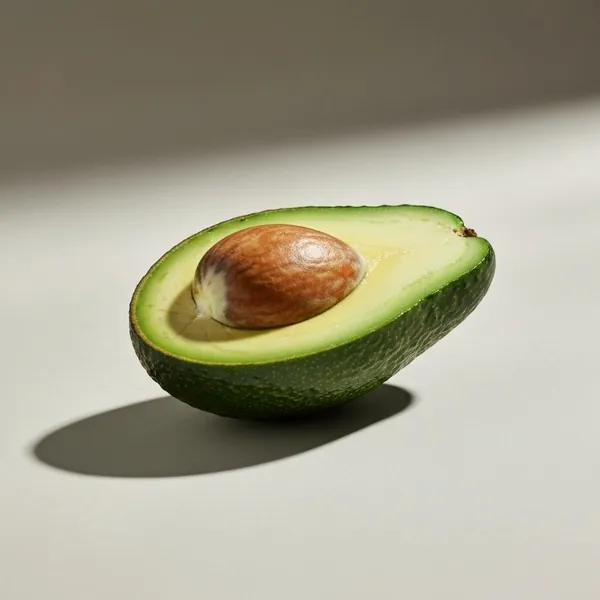
Serving Information
| ✓ Low FODMAP reference portion | 3 tablespoons (60g) |
|---|---|
| ✗ High FODMAP at | ½ medium avocado (80g) |
| FODMAP Types |
|
Is Avocado Low FODMAP?
Avocado is moderate FODMAP. At a serving of 3 tablespoons (60g), it is low FODMAP and safe for most people following a low FODMAP diet. However, at ½ medium avocado (80g), the FODMAP content increases to moderate levels and may trigger symptoms in sensitive individuals.
This means you can still enjoy avocado on a low FODMAP diet, but portion control is essential. The good news is that 3 tablespoons is enough to add creaminess to toast, salads, or tacos without overwhelming your system.
Safe Serving Size
| Serving | FODMAP Level | Weight |
|---|---|---|
| 3 tablespoons | Low | 60g |
| ½ medium avocado | Moderate | 80g |
According to Monash University, the safe low FODMAP serving size is 3 tablespoons (60g). This contains low levels of polyols, specifically a unique sugar alcohol called perseitol.
It’s worth noting that avocados are also high in fat, which can affect gut motility. While fat isn’t a FODMAP, consuming too much fat in one sitting can be an additional symptom trigger for people with IBS, even if the FODMAP content is low.
Why Does Avocado Contain FODMAPs?
Avocado contains a unique type of polyol called perseitol, which is specific to avocados and not found in many other foods. Polyols (also called sugar alcohols) are a category of FODMAPs that are poorly absorbed in the small intestine.
When perseitol reaches the large intestine unabsorbed, gut bacteria ferment it, producing gas and drawing water into the bowel. This can cause symptoms like bloating, gas, abdominal pain, and diarrhea in people with IBS.
Interestingly, Monash University notes that individuals who are sensitive to other polyols like sorbitol or mannitol may also be sensitive to perseitol in avocados. This is something to keep in mind during the FODMAP reintroduction phase.
At smaller servings (3 tablespoons), the amount of perseitol is low enough that most people can tolerate it without symptoms. As the serving size increases, so does the polyol load, increasing the likelihood of triggering IBS symptoms.
Tips for Eating Avocado on Low FODMAP
-
Measure your portions carefully - Use measuring spoons or a kitchen scale to ensure you’re staying within the 60g (3 tablespoon) limit. It’s easy to overestimate portions with creamy foods like avocado.
-
Space out consumption - Avoid eating avocado multiple times in one day to prevent FODMAP stacking. If you have avocado at breakfast, skip it at lunch and dinner.
-
Consider fat content - Remember that avocados are high in healthy fats, which can slow digestion and affect gut motility. Some people with IBS are more sensitive to high-fat foods, even when FODMAPs are controlled.
-
Check restaurant dishes - Avocado is a popular ingredient in salads, sandwiches, burgers, and Mexican food. Ask about portion sizes or request a smaller amount when ordering out.
-
Try during reintroduction - During the FODMAP reintroduction phase, test polyols separately to determine your personal tolerance to avocado’s perseitol content.
-
Monitor ripeness - Use ripe but not overripe avocados. While FODMAP content doesn’t change significantly with ripeness, overripe avocados may be harder to digest.
Low FODMAP Alternatives
If you find you’re sensitive to avocado or want to save your FODMAP “budget” for other foods, consider these alternatives:
- Cucumber - Provides a fresh, mild flavor and creamy texture when blended. Great in smoothies or as a base for dips.
- Zucchini - When cooked and pureed, zucchini can mimic avocado’s creaminess in certain dishes. Low FODMAP at ⅔ cup (65g).
- Lactose-free cream cheese - Adds richness to spreads and dips without the polyol content.
- Green olives - Provide healthy fats and a savory flavor profile, though the taste is quite different.
- Mashed pumpkin - In baking or smoothies, cooked pumpkin can add creaminess (low FODMAP at ⅓ cup).
Recipes Using Avocado
Looking for ways to enjoy avocado safely on your low FODMAP diet? Here are some ideas:
- Low FODMAP Guacamole - Use 3 tablespoons of avocado per serving, mixed with lime juice, cilantro, and a pinch of salt. Serve with low FODMAP corn chips.
- Avocado Toast - Spread 3 tablespoons of mashed avocado on sourdough spelt bread or gluten-free bread. Top with cherry tomatoes (5 medium max) and a sprinkle of salt.
- Breakfast Bowl - Add measured avocado to scrambled eggs with spinach and lactose-free cheese.
- Taco Topping - Use a small amount of diced avocado to garnish low FODMAP tacos with seasoned ground beef or chicken.
- Salad Addition - Dice 3 tablespoons of avocado and toss into a green salad with cucumber, carrots, and a low FODMAP dressing.
Remember, the key to enjoying avocado on a low FODMAP diet is moderation. Measure your portions, pay attention to your body’s signals, and don’t be afraid to experiment during the reintroduction phase to find your personal tolerance level.
Frequently Asked Questions
Is avocado low FODMAP?
Avocado is moderate FODMAP. At 3 tablespoons (60g), it's low FODMAP and safe for most people. However, ½ medium avocado (80g) contains moderate amounts of polyols.
What is the safe serving size for avocado?
The safe low FODMAP serving is 3 tablespoons or about 60g of avocado flesh.
What FODMAPs does avocado contain?
Avocado contains a unique polyol called perseitol. People sensitive to other polyols like sorbitol may also react to avocado's perseitol content.
Can I eat a whole avocado on the low FODMAP diet?
No, a whole avocado exceeds the low FODMAP threshold. Stick to 3 tablespoons to stay within safe limits.